2026 Best Windows and Doors Installation Tips for Your Home?
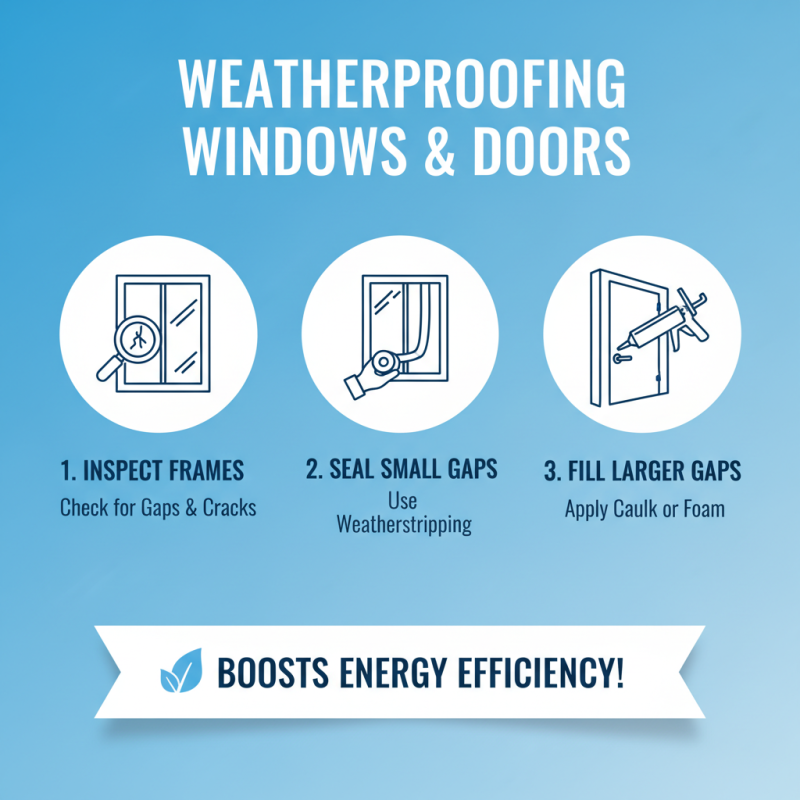
Choosing the right approach to windows and doors installation can significantly enhance your home's energy efficiency. According to the American Architectural Manufacturers Association, approximately 30% of a home's heating and cooling energy can be lost through improperly sealed windows and doors. This clearly indicates the need for proper installation techniques.
Expert in the field, Jake Thompson, states, "Quality installation is just as important as choosing the right products." His insights highlight the importance of expert installation. To achieve optimal performance from new windows and doors, precise measurements and skilled workmanship are essential.
Many homeowners underestimate the impact of small errors. Improperly aligned frames can lead to significant air leaks. Reflecting on past experiences is crucial. Learning from mistakes in installation can save time and money. Prioritizing quality methods will ensure durability and energy efficiency for years to come.
Essential Tools and Materials for Windows and Doors Installation
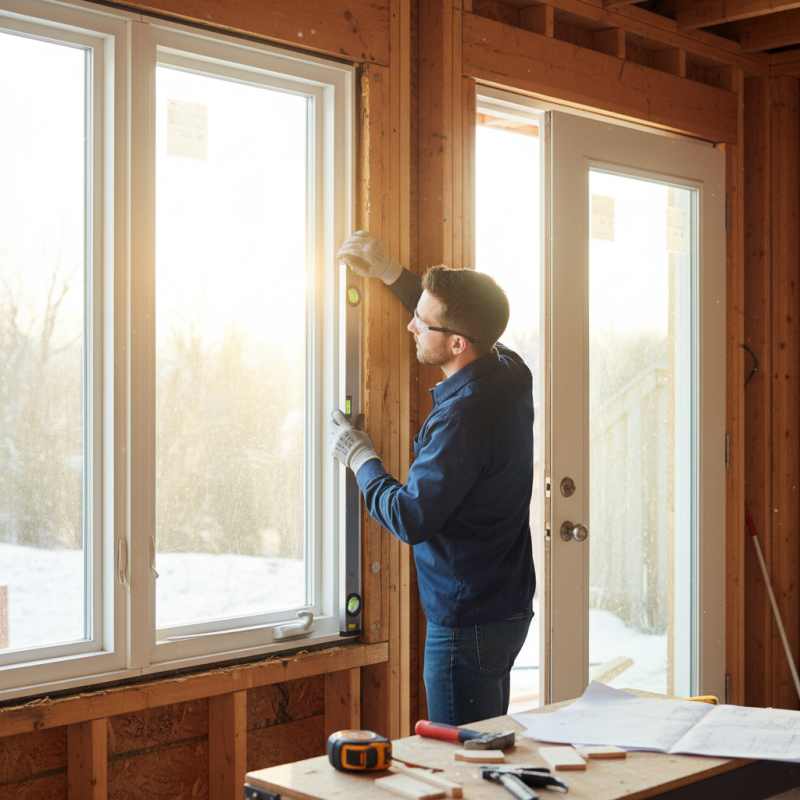
When tackling window and door installation, having the right tools and materials on hand is crucial. You’ll need essential items like a measuring tape, level, and pencil for precise measurements. A utility knife can help with cutting through any materials. Don’t forget a good set of screwdrivers, both flathead and Phillips. For safety, wear gloves and safety glasses. These tools will aid you in achieving a clean and efficient installation.
Choosing the right materials is just as important. High-quality caulk will provide a proper seal against the elements. Insulation foam is another vital element that ensures energy efficiency. You may face challenges picking the best materials. Sometimes, what looks good may not perform well over time. Always check reviews and get advice when needed. It’s okay to seek help when unsure. Mistakes can happen; any installation can be tricky without the right preparation.
Step-by-Step Guide to Measuring for Accurate Window and Door Fit
Measuring for windows and doors is crucial for a proper fit. Start by gathering your materials: a tape measure, a pencil, and paper. Clear any obstructions in the area to get accurate measurements. Measure the height and width of the opening in three places: top, middle, and bottom. This ensures you capture any irregularities.
Next, record the smallest measurements. It’s common to find that a space isn’t perfectly rectangular. After measuring, take a moment to review your numbers. Double-checking can save you from costly mistakes. If you notice discrepancies, adjust your measurements accordingly.
Don't rush this process. An inaccurate fit could lead to drafts or water leaks. Take your time with each measurement. It’s better to be thorough than hurried. This attention to detail will pay off when the installation day arrives. If unsure, consider asking for a second opinion on your measurements. Getting it right means better performance for your new windows and doors.
Techniques for Properly Installing Windows and Doors
Properly installing windows and doors can enhance your home’s comfort and efficiency. Start by measuring the openings. Make sure to measure both width and height. This step is critical. If the measurements are off, the installation will likely fail. Use a level to check the evenness of the surfaces. An unlevel frame can lead to problems later.
When placing the window or door, use shims to adjust it. These small pieces can help fine-tune the fit. Secure the frame with screws, making sure it remains level. Apply insulation around the edges. This will help with energy efficiency. A few gaps can cause drafts. Don’t rush this part.
After installation, check for any leaks. Inspect the seals and ensure they are tight. Gaps can lead to water damage over time. If your windows do not open or close smoothly, reassess your work. Sometimes we overlook small details. Reflect on your process to improve future installations.
Common Mistakes to Avoid During Installation for Best Results
When installing windows and doors, avoiding common mistakes is crucial for achieving the best results. A report by the National Association of Home Builders indicates that improper installation can lead to energy loss, potentially increasing energy bills by 30% annually. This emphasizes the importance of precision during the installation process.
One major mistake is neglecting proper measurements. Ensure that the openings match the dimensions of your windows and doors. Use a level to confirm that everything is straight. If they are misaligned, it can cause future problems, like leaks or drafts.
Another frequent error is skipping insulation. Insulating frames can considerably enhance energy efficiency. Additionally, not sealing edges correctly can invite moisture damage. Gaps in caulking can lead to rot over time. Regular inspection of the seals can help you catch issues early. Take time to double-check every step. A little care can make a significant difference in performance and longevity.