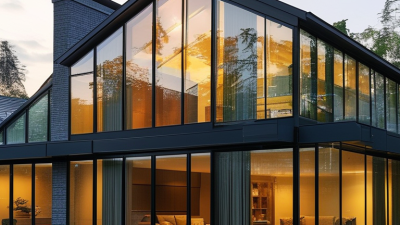
In today's competitive market, fiberglass windows have emerged as a top choice for global buyers. Expert Mark Thompson, a renowned figure in the window industry, emphasizes the advantages of these products. He says, “Fiberglass windows combine durability and energy efficiency like no other material.” This statement captures the essence of why so many homeowners are making the switch.
Fiberglass windows offer numerous benefits that meet the evolving demands of modern lifestyles. Their resistance to warping and fading makes them a reliable choice for various climates. Moreover, they provide excellent insulation, thus improving energy efficiency. Buyers appreciate the low maintenance requirement and aesthetic versatility.
Yet, there are challenges in understanding the full scope of fiberglass windows. Not all manufacturers offer the same level of quality. It’s crucial for buyers to research brands and read reviews. While fiberglass windows are beneficial, careful consideration is still necessary. Investing time in learning about these products can lead to better purchasing decisions.
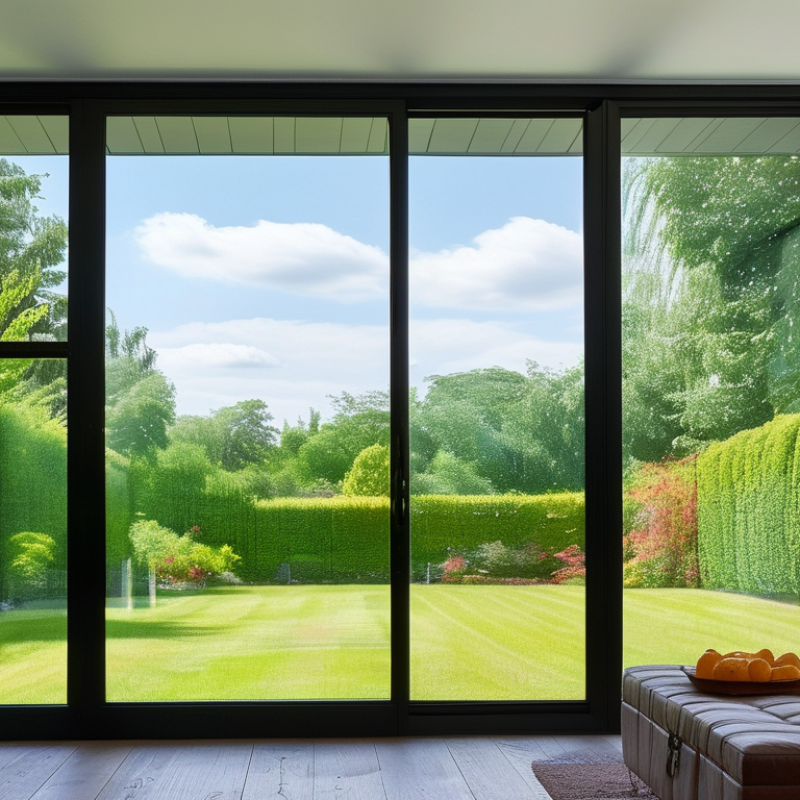
Fiberglass windows have gained popularity among global consumers due to their unique features. These windows are known for excellent insulation, offering energy efficiency in a variety of climates. They resist heat transfer, keeping homes cooler in summer and warmer in winter. This adaptability makes them a smart choice for diverse environments.
Durability is another key feature. Fiberglass does not warp, crack, or rot, unlike wood or vinyl. Owners find maintenance easy. A simple wash is often all that's required. Additionally, fiberglass windows are resistant to fading, ensuring they maintain their aesthetic appeal over time.
Tips: When considering fiberglass windows, check their R-value for insulation effectiveness. This will help you understand your potential energy savings. Another tip is to inspect the manufacturing details. Quality materials often indicate a longer lifespan. Reflect on your needs before making a decision; a good window should meet your specific climate conditions and style preferences.
Fiberglass windows offer significant energy efficiency and cost savings for homeowners. Their unique materials provide superior insulation compared to traditional windows. This means less heat loss during winters and minimal heat gain in summers. Such efficiency leads to lower energy bills, allowing homeowners to save more in the long run.
Tips for choosing the right fiberglass windows:
Fiberglass windows stand out for their remarkable durability. Unlike traditional materials, fiberglass can withstand harsh weather conditions. It resists warping, cracking, and fading, making it a long-lasting choice for buyers. In coastal areas, exposure to saltwater is a concern. Fiberglass windows hold up better than wood and vinyl options in such environments. Homeowners gain peace of mind knowing their investment will endure over time.
Maintenance is another strong suit of fiberglass windows. They require minimal upkeep compared to wooden windows. A simple wash with soap and water suffices. Unlike wood, there’s no need for regular painting or staining. This simplicity is appealing to busy homeowners. However, some might find the initial cost higher. This can be a point of hesitation for some buyers.
When it comes to energy efficiency, fiberglass windows excel. They help regulate indoor temperatures, reducing energy bills. While they can be pricier upfront, many find the savings worth it over time. Making a decision about windows involves weighing initial costs against long-term benefits. Each buyer's situation is unique, requiring careful consideration and reflection on personal needs.
Fiberglass windows offer remarkable aesthetic flexibility, making them ideal for various architectural styles. Their ability to mimic wood grains and colors allows homeowners to achieve a classic look without the maintenance hassles of real wood. With an array of finishes available, from sleek modern designs to rustic appearances, fiberglass windows cater to diverse tastes. Custom color options enable seamless integration with existing home palettes.
In addition to visual appeal, they underscore durability. Fiberglass frames resist warping and fading, maintaining their beauty over time. However, some users report challenges with color matching when remodeling. The range of design choices can feel overwhelming, leading to decision fatigue. It’s essential to weigh functionality against aesthetics, ensuring that the chosen style complements the overall design of your home. Balancing personal taste and long-term performance can be a daunting yet rewarding process.
Fiberglass windows are gaining attention for their environmental benefits. Made from glass fibers and resin, these windows offer strong insulation. This property helps reduce energy consumption in homes. As a result, homeowners can save on heating and cooling costs. Less energy use also means fewer greenhouse gas emissions.
The life cycle of fiberglass windows deserves mention. They have a long lifespan, which reduces the need for replacements. While producing fiberglass does require energy, the enduring nature of these windows offsets that initial impact. Additionally, at the end of their life, fiberglass can be recycled, further diminishing their environmental footprint.
However, there are still concerns. The production process can release volatile organic compounds (VOCs). These emissions can affect air quality. Buyers should look for manufacturers that follow eco-friendly practices to mitigate this issue. It's essential to consider both the benefits and potential drawbacks when choosing materials for sustainable building.
| Benefit | Description | Environmental Impact | Sustainability |
|---|---|---|---|
| Energy Efficiency | Fiberglass windows have excellent insulation properties, helping to reduce energy consumption. | Lower carbon footprint due to decreased energy usage. | Made from sustainable materials, contributing to a greener environment. |
| Durability | Highly resistant to warping, cracking, and rotting. | Long lifespan reduces waste and resource consumption. | Less frequent replacements mean lower environmental impact. |
| Low Maintenance | Requires minimal upkeep compared to wood or vinyl. | Reduces the need for chemical cleaners and paints. | Promotes long-term sustainability through lower resource use. |
| Aesthetics | Available in various styles and finishes to match home designs. | Encourages the use of eco-friendly building materials. | Attractive options can lead to greater adoption of sustainable solutions. |
| Noise Reduction | Effective at blocking external noise. | Improved quality of life in urban environments. | Enhances residential comfort, promoting sustainable living. |
| Safety and Security | Stronger than traditional materials, providing better security. | Reduces potential waste from breakage or forced entry. | Longer-lasting materials contribute to fewer replacements. |
| Resistant to Environmental Damage | Inert to salt, moisture, and UV exposure. | Fewer resources required for repairs or replacements. | Increases the longevity of buildings, supporting sustainability. |
| Cost-Effective | Lower lifetime costs due to durability and efficiency. | Reduction in energy bills leads to overall savings. | Affordable sustainable choice for homeowners. |
| Customizable | Can be tailored to specific design and functional needs. | Encourages innovative and sustainable architectural designs. | Supports unique, eco-friendly building projects. |
| Recyclability | Can be recycled at the end of their lifespan. | Helps reduce landfill waste. | Promotes circular economy practices. |