2026 Best Window Estimate Options for Homeowners Seeking Savings
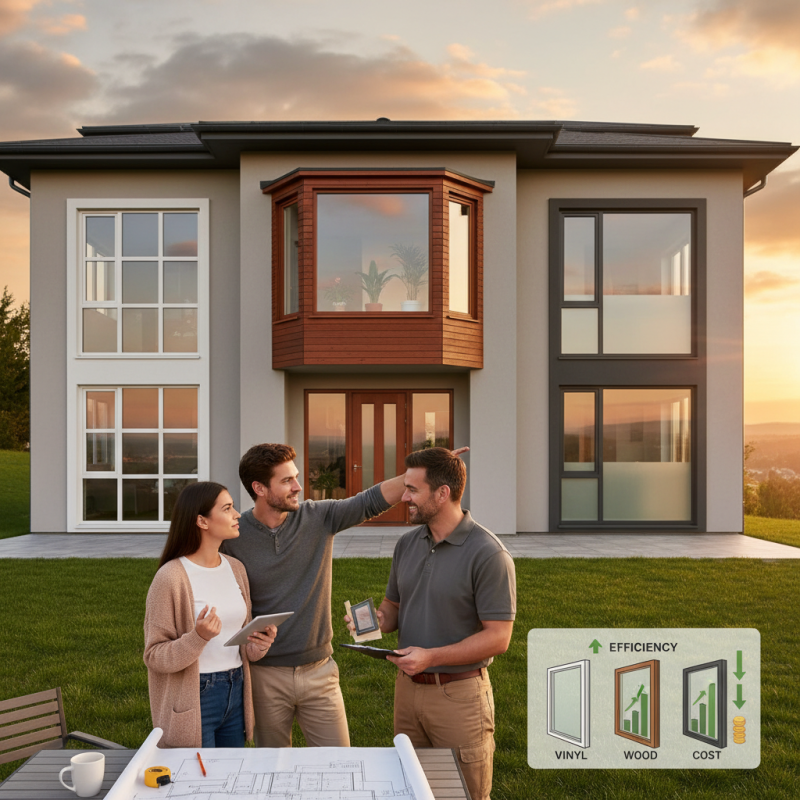
Choosing the right windows for your home can be challenging. Homeowners often seek an affordable window estimate. With numerous options available, it’s easy to feel overwhelmed. Understanding the differences between vinyl, wood, and fiberglass windows helps in making an informed choice.
In 2026, many window companies offer estimates that could save you money. Each option has unique benefits that can enhance your home's energy efficiency. Look for windows with high energy ratings. A good window estimate should also include installation costs. Research local contractors for the best deals.
Reflecting on these choices is crucial. Are you prioritizing aesthetics or efficiency? Skipping detailed estimates may lead to overspending. Sometimes, cheaper windows require more maintenance later. Aim for quality combined with affordability to truly maximize your savings.
Understanding Window Estimates: Key Factors for Homeowners
When seeking window estimates, homeowners must consider various factors. The type of window plays a crucial role in pricing. Vinyl, fiberglass, and wood windows come in different price ranges. According to the National Association of Realtors, energy-efficient windows can reduce energy bills by 12-15%. This can lead homeowners to prioritize energy savings in their choices.
Another important aspect is installation costs. Homeowners often overlook this. The average installation fee can range from $100 to $300 per window, depending on complexity. Research from Remodeling Magazine indicates that a professional installation can significantly enhance the home’s value. Still, not all homeowners budget accordingly for this expense.
Additionally, the lifecycle of windows should be evaluated. Some high-end materials may seem initially costly but offer longer durability. Homeowners frequently hesitate to invest in quality. A study by the Department of Energy found that replacing old windows can lead to an average savings of $465 per year. It shows that thoughtful choices could yield both immediate and long-term financial benefits. Balancing initial costs with potential savings is often a challenge for many.
Types of Windows: Choosing the Right Style for Your Home
Choosing the right window style for your home can be overwhelming. Homeowners face many options. Each type has its unique benefits and drawbacks. For instance, double-hung windows offer versatility. They allow easy cleaning and ventilation. However, some find traditional designs unappealing.
Casement windows open outward. They are excellent for maximizing airflow. However, their hinges can wear over time. This requires maintenance that some homeowners might forget. Picture a beautiful kitchen filled with light yet needing constant care. Does that sound like a hassle?
Sliding windows are trendy and space-efficient. Their design provides a modern look. Still, dirt can accumulate in the tracks. Homeowners need to regularly clean to maintain aesthetics and function. Reflecting on these options is essential. What style suits your home and lifestyle?
Comparing Window Installation Costs: What to Expect
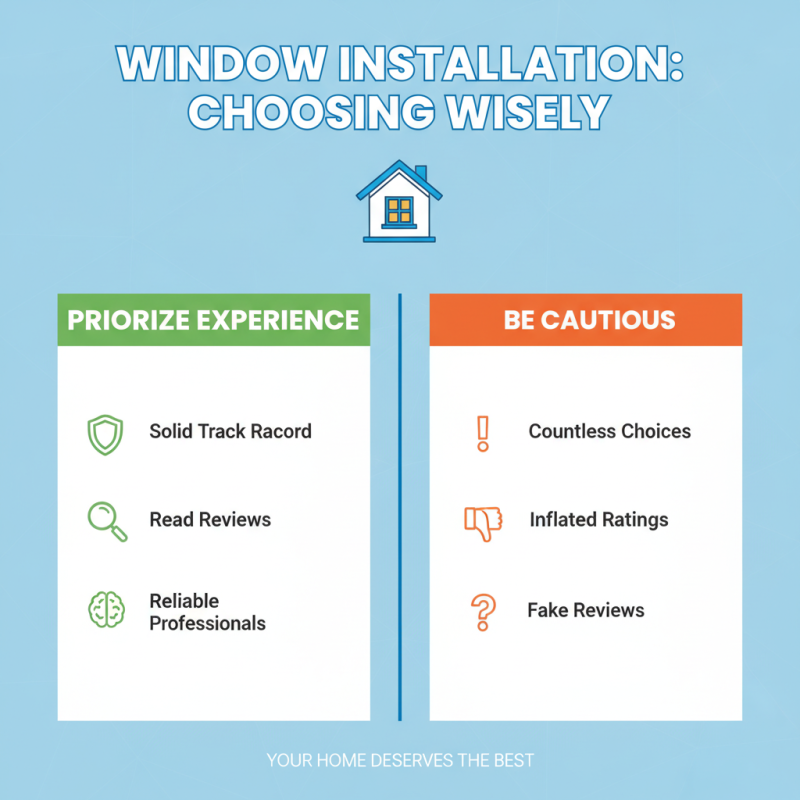
When considering window installation, homeowners often face unexpected costs. Research shows that average installation fees range from $100 to $300 per window. This can vary based on factors like location and window type. Custom windows can push this cost higher. It’s important to obtain multiple estimates to gauge fair pricing in your area.
Consider installation timelines as well. A project can take anywhere from a few days to weeks. Depending on the complexity, delays may occur. Some homeowners face issues with permits or weather. Being prepared can help mitigate these inconveniences.
Tips: Always ask for itemized estimates. This helps clarify costs related to materials and labor. Additionally, exploring energy-efficient windows can save money long-term. They might have a higher upfront cost but can lower energy bills significantly. It’s crucial to evaluate both short-term expenses and long-term savings.
Energy Efficiency Ratings: Impact on Overall Savings
When homeowners look for new windows, energy efficiency ratings become crucial. These ratings often guide choices and influence savings. Windows with higher ratings typically save more energy, reducing monthly bills significantly. While these windows might come with a higher upfront cost, they pay off in the long run.
Investing in windows with triple-pane glass can be more beneficial than double-pane options. They provide better insulation and reduce heat loss. Homeowners may think double-pane is sufficient until they feel the drafts. A thorough comparison of energy ratings can reveal unexpected choices that lead to greater savings.
**Tips:**
Consider consulting with professionals to understand the best options for your home. Look out for tax credits or rebates for energy-efficient windows. Always calculate long-term savings, not just initial costs. Being diligent now can lead to warmer winters and cooler summers later on.
2026 Best Window Estimate Options for Homeowners Seeking Savings - Energy Efficiency Ratings: Impact on Overall Savings
| Window Type |
Energy Efficiency Rating (U-Factor) |
Estimated Cost (per window) |
Avg. Savings on Energy Bills (per year) |
Expected Lifespan (years) |
| Double Pane |
0.30 |
$300 |
$200 |
20 |
| Triple Pane |
0.20 |
$500 |
$300 |
25 |
| Low-E Coated |
0.28 |
$450 |
$250 |
30 |
| Gas-Filled |
0.25 |
$400 |
$220 |
25 |
| Vinyl Frame |
0.32 |
$350 |
$180 |
15 |