Best Window Replacements for Energy Efficiency in 2026?
As we look ahead to 2026, energy efficiency in homes has become a pressing concern. Window replacements play a crucial role in this shift. Older windows often allow drafts and heat loss. Upgrading to modern options can significantly reduce energy costs.
Today's market offers various innovative window replacement solutions. Options include double-pane, triple-pane, and low-emissivity glass. These windows not only enhance insulation but also improve aesthetic appeal. Homeowners must consider factors like climate and budget while making decisions.
Choosing the right window replacement can feel overwhelming. Some products may not live up to their promises. It's essential to research and evaluate different choices. Take note of the warranties and energy ratings. After all, a poor decision may lead to further expenses down the line.
Understanding Energy Efficiency in Window Replacements
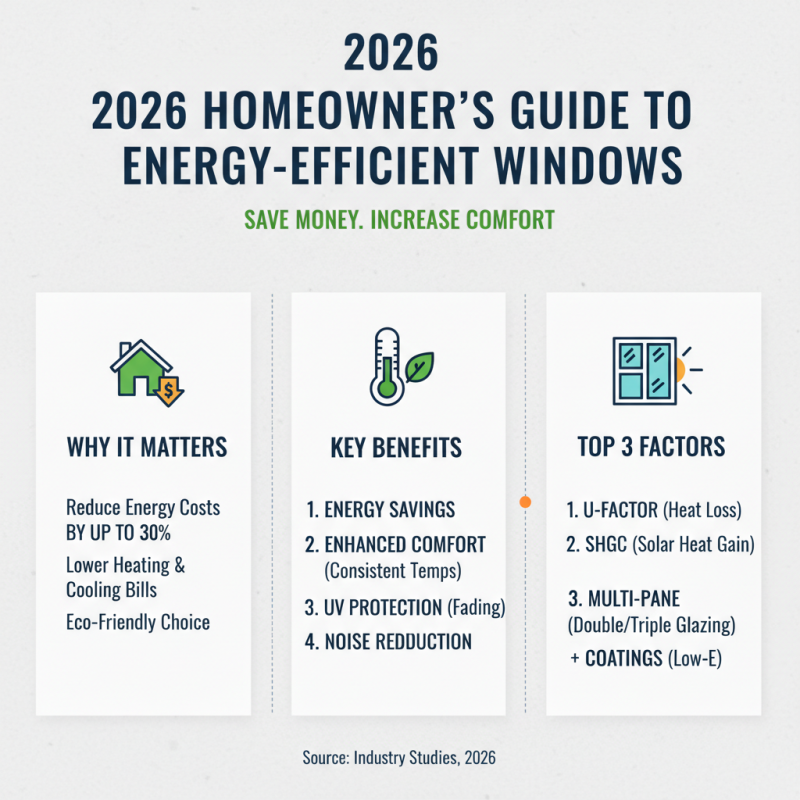
When considering window replacements, energy efficiency is a crucial factor. A report by the U.S. Department of Energy states that 25% to 30% of residential heating and cooling energy is lost through windows. This highlights the need for windows that reduce energy loss significantly. Selecting the right windows can lower energy bills and enhance comfort.
The efficiency of windows is measured by their U-factor and Solar Heat Gain Coefficient (SHGC). A lower U-factor indicates better insulation. For instance, windows with a U-factor of 0.20 or lower are ideal for energy savings. Meanwhile, an SHGC of 0.25 to 0.35 can help maintain indoor temperatures. However, many homeowners overlook these details, leading to poor choices.
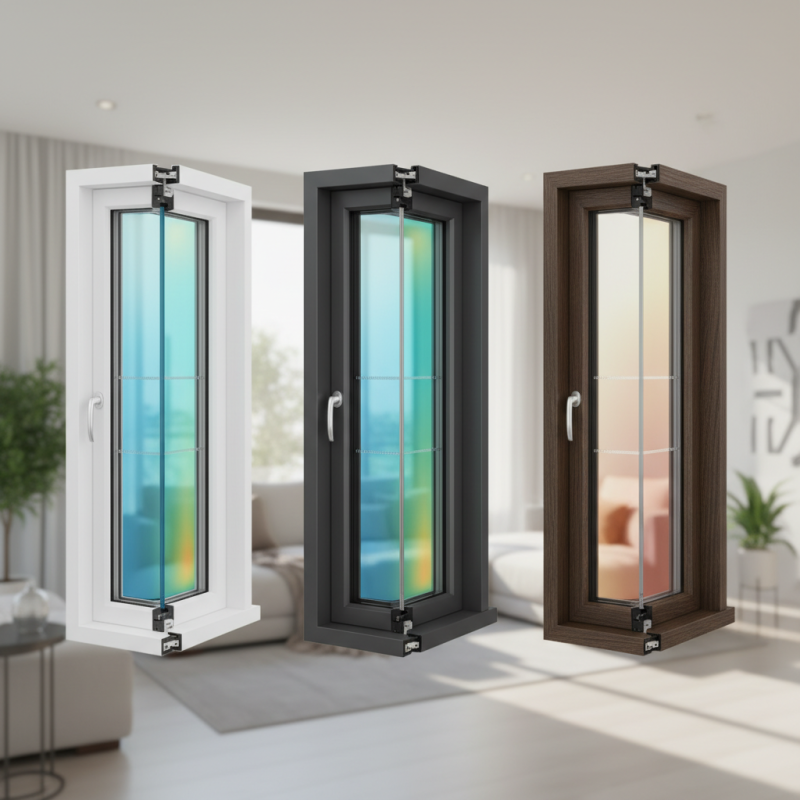
Furthermore, the materials used in window frames play a vital role. Vinyl and fiberglass frames offer excellent insulation. Wood frames, while beautiful, often require more maintenance. This decision can seem overwhelming. Many are tempted to choose based on aesthetic preferences rather than functionality. Reflecting on these choices is essential in the quest for energy-efficient homes.
Best Window Replacements for Energy Efficiency in 2026
| Window Type |
U-Value (W/m²·K) |
SHGC |
Frame Material |
Energy Star Rating |
| Double Glazed |
1.2 |
0.25 |
Vinyl |
Yes |
| Triple Glazed |
0.9 |
0.20 |
Wood |
Yes |
| Low-E Coated |
1.0 |
0.30 |
Aluminum |
Yes |
| Gas-Filled |
0.7 |
0.15 |
Fiberglass |
Yes |
| Smart Glass |
0.5 |
0.10 |
Composite |
Yes |
Key Features of Energy-Efficient Windows
When choosing energy-efficient windows, several key features need consideration. The frame materials play a crucial role. Vinyl, fiberglass, and wood-clad options are popular. Each material has its pros and cons. According to a 2023 report by the National Renewable Energy Laboratory, windows can account for 25-30% of energy loss in homes. Thus, selecting the right material is essential.
Insulation is another vital factor. Double or triple glazing significantly reduces heat transfer. The U-factor measures this aspect. A lower U-factor indicates better insulating properties. Data shows that windows with a U-factor below 0.30 can promote energy savings. Additionally, the Solar Heat Gain Coefficient (SHGC) is important. This rating shows how much solar heat the window absorbs. Experts suggest an SHGC less than 0.25 for hot climates.
Finally, consider the window's air leakage rate. Windows should have a minimal air leakage rating. Drafty frames can lead to energy waste. Some studies reveal that homes can waste up to 20% more energy due to poor sealing. Addressing these issues might require better designs or materials. It’s clear that energy-efficient windows need careful evaluation to truly enhance your home’s efficiency.
Top Window Materials for Energy Efficiency in 2026
When considering window replacements for energy efficiency in 2026, material choice is critical. According to the U.S. Department of Energy, windows account for approximately 25-30% of residential heating and cooling energy use. This highlights the need for efficient materials that can effectively reduce energy consumption.
Vinyl windows are popular due to their insulation properties and affordability. A report from the National Fenestration Rating Council (NFRC) shows that vinyl frames can offer an R-value of up to 5, contributing significantly to energy efficiency. However, they may not always withstand extreme temperatures as well as other materials.
Fiberglass windows present another viable option. They are strong and provide superior insulation, often offering an R-value exceeding 7. While they might be pricier, their durability could lead to long-term savings. Still, some homeowners may struggle with the upfront investment. In the end, evaluating the balance between cost and efficiency is essential for making informed decisions. Each material has its pros and cons, and the best choice varies depending on location and climate conditions.
Cost-Benefit Analysis of Energy-Efficient Window Replacements
When considering window replacements for energy efficiency, the cost-benefit analysis is crucial. Upgrading windows can lead to significant energy savings. This can enhance comfort in your home. However, the initial investment can be hefty, and not all replacements may yield the same returns.
A common issue is underestimating long-term savings. Many homeowners look only at upfront costs, ignoring potential energy bills over time. Energy-efficient windows reduce heat loss in winter and keep homes cool in summer. But the payoff may take years to realize. It’s essential to factor in local energy rates and climate—these variables impact your savings.
Another point to ponder is installation quality. Poorly installed windows may not deliver promised efficiency. Gaps and improper sealing can negate benefits. In some cases, cheaper windows fail to perform well, leading to regret later on. When investing, always weigh your options carefully. Consider both immediate expenses and future savings.