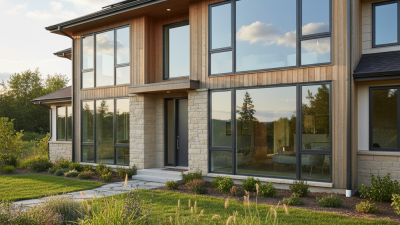
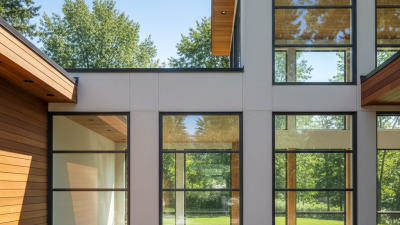
| Frame Material |
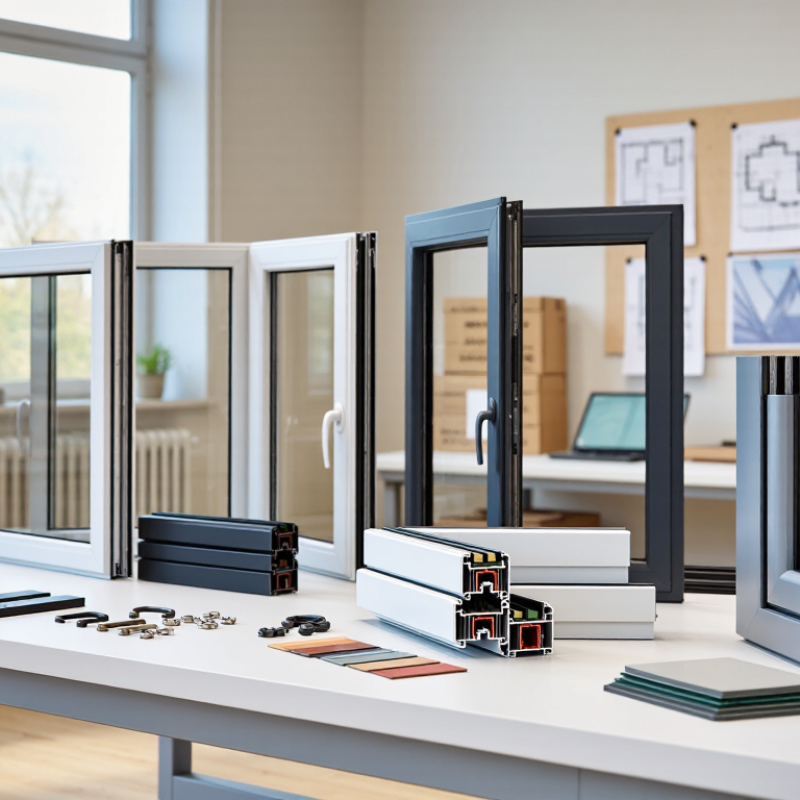
Glass fibers embedded in a thermoset polymer resin, commonly produced as pultruded or molded profiles. |
The composite combines the dimensional stability of glass fibers with the corrosion resistance of a polymer matrix. |
Request the material specification, resin type, fiber content range, profile drawings, and applicable test reports. |
| Thermal Expansion |
Fiberglass generally has a coefficient of thermal expansion closer to glass than many common plastic frame materials. |
Closer movement between the frame and insulated glass unit can help reduce stress on seals and joints over repeated temperature changes. |
Ask for thermal-cycling results, corner-joint performance, and temperature-range data relevant to the installation location. |
| Frame Thermal Performance |
Typical fiberglass frames are thermally efficient, but the final result depends on profile geometry, reinforcement, glazing, spacers, and weather seals. |
Frame material alone does not determine the energy performance of the complete window. |
Evaluate the complete-window U-factor and solar heat gain coefficient rather than relying only on frame claims. |
| Approximate Whole-Window R-Value |
Approximately R-3 to R-5 for many efficient double- or triple-glazed configurations. Approximation: R ≈ 1 ÷ U-factor in imperial units. |
A lower U-factor generally corresponds to a higher thermal resistance. Actual performance varies with size, opening style, glazing, and frame design. |
Request independently tested whole-window U-factor data. Do not compare center-of-glass R-value directly with whole-window R-value. |
| Typical U-Factor Range |
Many efficient residential configurations fall approximately between 0.20 and 0.35 Btu/(h·ft²·°F), depending on glazing and design. |
Lower U-factor indicates lower heat transfer through the complete window. |
Confirm the rating method, product size, glass package, spacer type, and whether the value applies to the whole unit. |
| Insulated Glass Options |
Double glazing commonly uses two panes; triple glazing uses three panes. Low-emissivity coatings and inert-gas fills can improve insulation. |
Triple glazing may provide higher thermal resistance, but it can increase weight, cost, and sash or hardware requirements. |
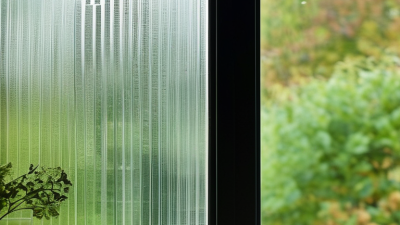
Specify pane count, glass thickness, coating surface, gas fill, spacer material, and the expected visible-transmittance range. |
| Air Infiltration |
Performance depends on sash design, compression seals, interlocks, corner construction, and manufacturing tolerances. |
Lower air leakage can improve comfort and reduce uncontrolled heat loss, especially in windy or cold climates. |
Request a tested air-leakage result using the applicable regional standard and identify the test pressure and window size. |
| Water Resistance |
Water performance is influenced by frame drainage paths, sill design, corner joints, gaskets, flashing, and installation. |
A well-designed window can still leak if the opening is not correctly flashed and sealed. |
Obtain water-penetration test results, installation details, sill-pan requirements, and drainage-path drawings. |
| Wind Load Capacity |
Capacity varies with frame reinforcement, sash size, hardware, glazing weight, and anchoring method. |
Large units and high-rise or coastal installations may require higher structural ratings. |
Provide the project wind-pressure requirement and request structural test data for the exact product configuration. |
| Expected Service Life |
Approximately 30–40 years can be a reasonable planning range for a properly manufactured, installed, and maintained fiberglass window system. |
Service life is not guaranteed solely by the frame material. Glass seals, hardware, coatings, gaskets, and installation may have different replacement cycles. |
Request a written warranty, component warranties, maintenance requirements, accelerated-aging data, and replacement-part availability. |
| Maintenance Requirement |
Usually low maintenance: periodic cleaning, inspection of seals and drainage openings, and lubrication or adjustment of hardware when required. |
Fiberglass does not normally require routine painting, although surface finishes may need care depending on exposure and color. |
Confirm approved cleaners, repainting limitations, hardware service procedures, and drainage-hole maintenance instructions. |
| Moisture and Corrosion Resistance |
The fiberglass composite frame is resistant to rot and is not susceptible to rust in the same way as unprotected ferrous metal. |
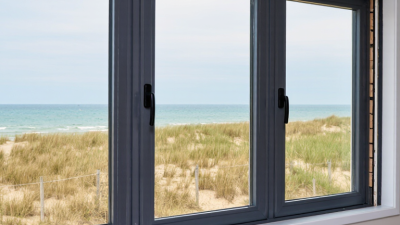
This can be useful in humid, coastal, or high-rainfall environments, but hardware and fasteners still require suitable corrosion protection. |
Specify hardware and fastener materials, salt-spray or corrosion-test results, and coastal installation recommendations. |
| Finish and Color |
Available finishes may include factory-applied coatings, painted surfaces, or laminated exterior and interior colors. |
Dark colors can absorb more solar heat and may require confirmation of thermal movement and finish durability. |
Request color samples, coating specifications, accelerated-weathering results, and limits on field painting or refinishing. |
| Window Configurations |
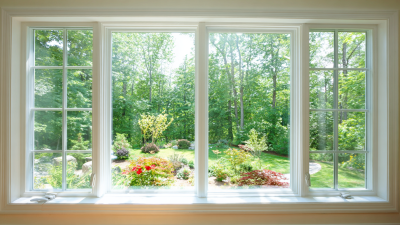
Common types include fixed, casement, awning, sliding, single-hung, double-hung, and picture windows. |
Fixed units often offer lower air leakage, while operable units provide ventilation but add seals, hardware, and adjustment points. |
Compare the tested performance of each opening style instead of applying one rating to the entire product range. |
| Dimensional Tolerances |
Required tolerances depend on frame size, opening style, profile design, glass weight, and installation method. |
Accurate sizing is essential for proper shimming, anchoring, operation, and weather sealing. |
Request manufacturing tolerances, rough-opening requirements, maximum sash dimensions, and approved installation clearances. |
| Glazing Seal Durability |
Insulated glass units use perimeter seals and spacers that must resist moisture penetration and gas loss over time. |
Glass seal failure can cause condensation or fogging between panes even when the fiberglass frame remains sound. |
Confirm insulated-glass warranty terms, seal testing, desiccant specifications, and replacement-glass procedures. |
| Applicable Standards |
Common evaluation areas include air leakage, water penetration, structural performance, thermal transmittance, safety glazing, and energy labeling. |
Standards differ by destination market, so a product tested for one region may not automatically satisfy another region’s requirements. |
Define the destination-country code, required test standards, labeling rules, certification documents, and documentation language before ordering. |
| Global Supplier Documentation |
Core documents may include profile drawings, bill of materials, performance reports, installation manuals, packing lists, and warranty terms. |
Complete documentation reduces specification errors and helps customs, inspectors, installers, and building owners verify the shipment. |
Use a document checklist and require approval of shop drawings and samples before mass production. |
| Packaging and Transport |
Windows should be protected from impact, abrasion, moisture accumulation, and distortion during handling and container transport. |
Improper packaging can damage corners, glass, hardware, coatings, and frame alignment before installation. |
Approve packaging drawings, pallet limits, corner protection, moisture control, loading photographs, and container inspection procedures. |
| Quality-Control Inspection |
Inspection may cover dimensions, frame finish, glass condition, hardware operation, labels, drainage, seals, and accessory completeness. |
Pre-shipment inspection helps identify nonconforming units before international delivery and installation. |
Use an agreed inspection checklist with sampling rules, defect classifications, measurement tools, and acceptance criteria. |