How to Calculate Window Installation Cost and Save on Your Project
Installing new windows can significantly enhance the aesthetic and energy efficiency of your home, but understanding the overall window installation cost is crucial for any homeowner. As industry expert John Atkinson, a seasoned contractor with over 20 years of experience, notes, "Knowing the factors that contribute to window installation costs can help homeowners make informed decisions and avoid unnecessary expenses." This highlights the importance of being well-prepared and educated before embarking on a window installation project.
Several elements influence window installation costs, including the type and number of windows, labor fees, and additional materials. When planning for this investment, it’s essential to conduct thorough research and consider various options that can keep costs manageable. This guide aims to provide insights into calculating window installation costs effectively while also offering tips on how to save money throughout the process, ensuring that you get the best value for your investment. With careful planning and understanding of the key factors at play, homeowners can navigate this project with confidence and success.

Understanding the Factors Influencing Window Installation Costs
When it comes to window installation costs, several key factors play a significant role in determining the final budget. Understanding these factors can empower homeowners to make informed decisions and potentially save money during their project. According to the National Association of Home Builders, the average cost of window installation can range from $300 to $1,000 per window, depending on the type and installation complexity. Variables such as window material (vinyl, wood, etc.), size, style, and labor costs all contribute to the overall price.
Another crucial factor is the location of the project. Regions with high living costs may experience increased labor rates, with some areas reporting a staggering 20% increase in installation prices compared to the national average. Additionally, seasonal demand can affect pricing; for example, scheduling installations during off-peak months may yield significant savings.
**Tips:** To optimize your window installation budget, consider purchasing windows during promotional sales or off-season times. Furthermore, always obtain multiple quotes from contractors to ensure competitive pricing. Lastly, investing in energy-efficient windows might have a higher upfront cost but can lead to long-term savings on your energy bills, making it a financially sound decision over time.
Estimating Window Material and Frame Options for Budgeting
When estimating window installation costs, one of the most critical factors to consider is the material and frame options. The type of material used for the window frame significantly influences both the initial cost and the long-term value of your investment. Common materials include vinyl, wood, aluminum, and fiberglass, each possessing unique characteristics that affect their price points, durability, and energy efficiency. Vinyl, for instance, is often the most economical option, providing decent insulation at a lower upfront cost, while wooden frames tend to offer superior aesthetics but require more maintenance and come with a higher price tag.
In addition to the frame material, the style of the window can also play a pivotal role in budgeting your installation project. Standard designs, such as single or double-hung windows, are typically more affordable than custom shapes or larger formats like bay or bow windows. Furthermore, the energy efficiency rating of the windows, influenced by the glazing and insulation techniques, should not be overlooked when budgeting. Investing in higher efficiency windows may result in higher initial costs, but they can lead to significant savings on energy bills over time. By evaluating these factors carefully, homeowners can create a balanced budget that aligns with their financial goals while ensuring quality and performance in their window installation project.
Calculating Labor Costs for Window Installation Projects
When calculating labor costs for window installation projects, it's essential to consider various factors that contribute to the overall expense. According to a report by the Home Improvement Research Institute, labor typically represents 25% to 50% of the total installation cost, depending on the region and complexity of the project. For instance, intricate window styles or installations in difficult-to-reach areas will generally require more skilled labor, driving up costs. Understanding the average hourly wage for window installers—ranging from $30 to $75 per hour—can help homeowners budget effectively.
Moreover, apart from the base labor costs, homeowners should also account for additional expenses such as permits, which can vary widely by locality. The National Association of Home Builders mentions that permit costs can add anywhere from 2% to 10% to the total project cost. Accurate budgeting should also consider potential overtime costs, particularly during peak installation seasons when demand is high. By comprehensively analyzing these labor-related factors, homeowners can make informed decisions that will help them save on their window installation projects while ensuring quality workmanship.
Identifying Additional Expenses in Window Installation
When planning a window installation project, homeowners often focus on the cost of the windows themselves, overlooking additional expenses that can significantly impact the overall budget. A report by the American Institute of Architects highlights that labor costs can account for nearly 30% of the total installation cost. This means that while you may find a good deal on windows, failing to budget adequately for skilled labor can lead to unexpected financial strain.
Moreover, additional costs such as permits, disposal fees for old windows, and potential structural repairs should not be underestimated. According to HomeAdvisor, homeowners can expect to pay anywhere from $500 to $1,200 for permits alone, depending on local regulations. Furthermore, if your home requires extensive preparatory work—such as framing repairs or addressing water damage—the initial installation quote could double. Thus, it's crucial to conduct a thorough assessment of the site and consult with professionals to get a comprehensive estimate that captures all foreseeable costs, ensuring your project remains within budget while meeting all necessary safety and regulatory requirements.
Window Installation Costs and Saving Insights
Tips for Saving Money on Your Window Installation Project
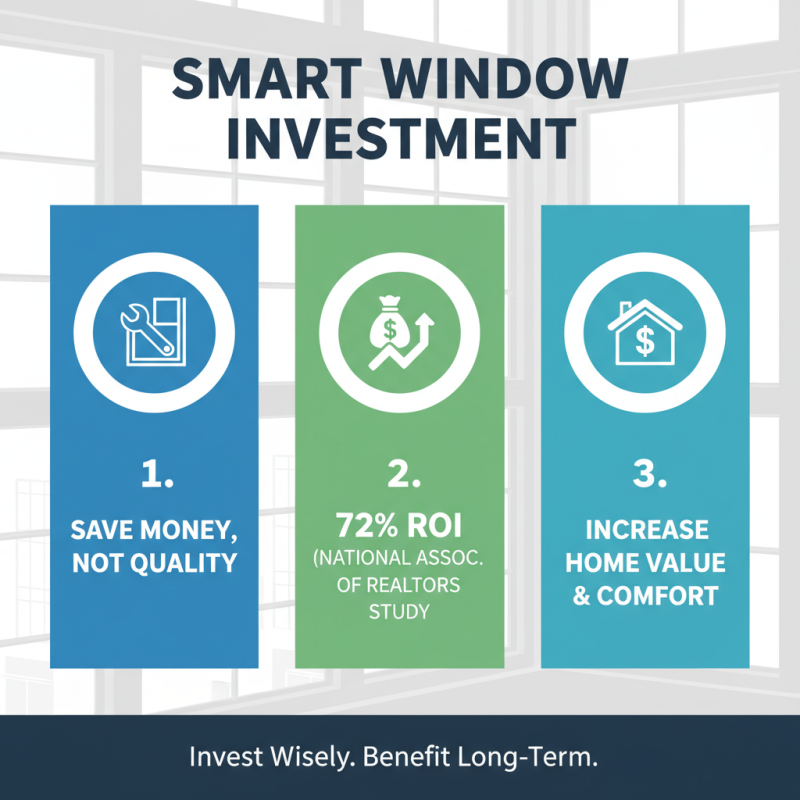
When planning a window installation project, finding ways to save money without compromising quality is essential. According to a study by the National Association of Realtors, homeowners can expect to recoup approximately 72% of the cost of window replacement when they sell their home. Thus, investing wisely in window installation can not only enhance your living space but also provide a significant return on investment.
To minimize costs, start by obtaining multiple quotes from reputable contractors. A report from Remodeling Magazine indicates that comparing estimates can save homeowners an average of $1,000. Additionally, consider opting for energy-efficient windows, as they may reduce utility bills by up to 15%, as cited by the U.S. Department of Energy. Lastly, take advantage of seasonal promotions or financing offers from contractors, which can provide significant savings and make your window installation projeto more affordable.