What is Cast Component and its Benefits for Global Buyers?
In the ever-evolving landscape of global manufacturing, the "Cast Component" has emerged as a vital element. This technique involves pouring molten material into a mold, allowing for intricate designs. The result is a highly durable product, meeting diverse industry needs. Global buyers benefit significantly from cast components due to their cost-effectiveness and precision.
Cast components offer versatility that traditional manufacturing methods cannot achieve. They enable manufacturers to create complex shapes with less material waste. However, the process is not without its challenges. Variability in materials and workmanship can lead to defects that impact quality. Buyers must carefully assess suppliers and their capabilities to mitigate these risks.
The advantages of cast components are undeniable. They provide strength and durability, which are critical for industries like automotive and aerospace. Yet, relying solely on casting techniques can be limiting. A balanced approach, combining different manufacturing methods, may yield the best results. As global markets evolve, understanding the nuances of cast components will be crucial for informed decision-making.
What is a Cast Component?
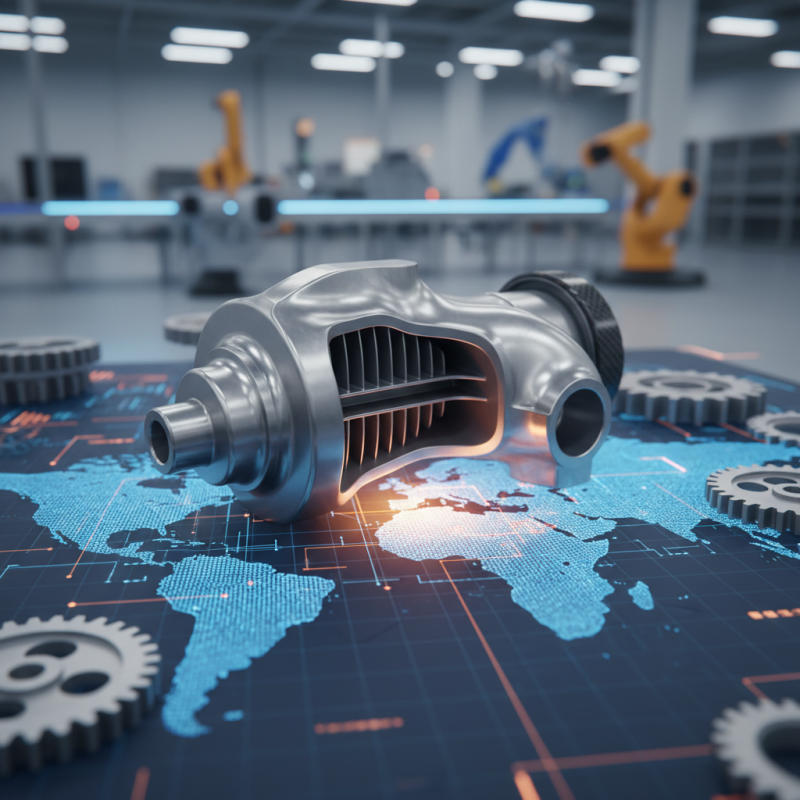
Cast components are integral to various industries, ranging from automotive to aerospace. These components are created through a casting process, where molten metal is poured into molds. Once cooled, they solidify into specific shapes. This method allows for complex designs that are often hard to achieve through other manufacturing techniques.
The benefits of cast components are numerous. They offer excellent strength-to-weight ratios and can be tailored to meet specific needs. For example, intricate geometries can be designed without excessive machining. However, one must consider potential imperfections in the casting process, such as air bubbles or uneven surfaces. These flaws can impact overall performance and require further inspection.
Moreover, cast components can be cost-effective for large production runs. However, the initial setup for molds can be expensive. Buyers must weigh the benefits against these challenges. Understanding these factors is crucial for making informed decisions in global sourcing. Careful assessment ensures that customers receive reliable and high-quality products.
Key Features of Cast Components
Cast components are widely recognized for their numerous advantages in manufacturing. These components are produced through the casting process, allowing for intricate designs and shapes. A key feature of cast components is their ability to withstand high stress. This property makes them ideal for various applications, including automotive and aerospace industries.
Another important aspect is the versatility of materials used. Cast components can be made from metals, plastics, or ceramics, providing options tailored to specific requirements. Design flexibility is also noteworthy; complex geometries can be achieved without considerable additional cost.
Tips: When selecting cast components, consider the specific application. Evaluate the environmental conditions they will face. This ensures optimal performance and longevity.
Additionally, the surface quality of cast components can vary. It’s essential to understand the finishing processes. Poor surface finishes can increase friction and wear. Reassessing the production methods may lead to improvements.
What is Cast Component and its Benefits for Global Buyers? - Key Features of Cast Components
| Feature | Description | Benefits | Applications |
| Material Versatility | Available in a variety of metals and alloys including aluminum, iron, and titanium. | Suitable for different applications, enhances design flexibility. | Automotive, Aerospace, Machinery. |
| High Precision | Precision casting techniques ensure close tolerances and detailed geometries. | Reduces the need for further machining, saving time and costs. | Electronics, Medical Devices. |
| Cost-Effectiveness | Lower production costs compared to traditional manufacturing processes. | Increases profitability for manufacturers and savings for customers. | Consumer Products, Industrial Equipment. |
| Complex Shapes | Ability to create intricate designs and complex geometries that would be difficult to machine. | Encourages innovative product designs, expands engineering capabilities. | Architecture, Art, Custom Equipment. |
| Durability and Strength | Cast components often exhibit high tensile strength and durability. | Long life cycle and reliability under stress, reducing maintenance costs. | Heavy Machinery, Infrastructure. |
Benefits of Cast Components for Global Buyers
Cast components are essential in numerous industries, offering significant advantages to global buyers. These components, made from molten metal poured into a mold, provide unmatched strength and durability. According to industry reports, over 40% of mechanical components are manufactured through casting. This statistic highlights the method's relevance and reliability.
For global buyers, one key benefit of cast components is customization. Manufacturers can tailor designs to meet specific specifications, significantly enhancing product functionality. The versatility of casting also allows for complex shapes that would be difficult or impossible to achieve through other manufacturing processes. A report by the International Journal of Advanced Manufacturing Technology suggests that casting can improve material utilization rates by up to 85%, which translates into lower costs and reduced waste.
Another important aspect is the scalability of cast components. As demands fluctuate, manufacturers can adjust production volumes more easily with casting methods. This flexibility is crucial in today's fast-paced market. Additionally, with advancements in technology, casting has become increasingly efficient. Automated processes now streamline production, leading to faster delivery times. Nonetheless, potential buyers should consider factors such as quality control and sourcing reliability to ensure they are making the best choices for their needs.
Benefits of Cast Components for Global Buyers
Applications of Cast Components in Various Industries
Cast components are widely used in various industries due to their versatility and durability. In the automotive sector, these components offer lightweight and strong solutions for parts like engine blocks and transmission housings. They can withstand high temperatures and forces, making them ideal for high-performance vehicles. Manufacturers often invest heavily in casting processes to ensure precision in dimensions and material properties.
In construction, cast components play a crucial role. They are found in structural elements such as beams and columns. The ability to create intricate shapes with high strength-to-weight ratios presents significant advantages. However, achieving the right balance of material properties can be challenging. Some manufacturers face inconsistencies in quality, which can lead to structural failures.
The energy sector also benefits from cast components. Wind turbines and power generation equipment rely on cast parts for both performance and longevity. The integration of these components enhances efficiency, but issues such as corrosion can arise over time. Continuous monitoring and innovation are essential to maintain effectiveness in these applications, highlighting a need for ongoing research and development.
Factors to Consider When Sourcing Cast Components
When sourcing cast components, several crucial factors command attention. Understanding the material types is vital. Each alloy has different properties, affecting durability, weight, and cost. Research the specific requirements of your project. This step ensures you select components that align with performance needs.
Quality assurance is another area to focus on. Inspect certifications and manufacturing standards. A reliable supplier should provide detailed documentation. This transparency helps build trust and mitigate risks. Consider the supplier's capacity as well. Ensure they can meet your production demands.
Tips: Always communicate your needs clearly. Foster a good relationship with suppliers for better collaboration. A well-documented agreement prevents misunderstandings. Regular follow-ups can help monitor quality. Be ready to adjust if initial samples do not meet your standards. Achieving the right balance between cost and quality often requires patience and flexibility.
