China Top Energy Efficient Windows for Global Buyers?
China is emerging as a leader in the production of energy efficient windows. Global buyers are increasingly seeking sustainable solutions for their construction needs. These windows offer significant advantages, including enhanced thermal insulation and reduced energy consumption.
The demand for energy efficient windows is growing as more countries prioritize energy conservation. In China, manufacturers are innovating with advanced materials and technologies. This ensures high performance while maintaining affordability. Additionally, the market is flooded with options that cater to diverse architectural styles. Buyers can find a suitable fit for any project.
However, challenges remain in choosing the right product. Quality can sometimes vary greatly among manufacturers. It is essential for buyers to conduct thorough research. They should ensure that the selected windows meet international energy standards. As the market evolves, staying updated on trends and technology is vital. Embracing energy efficient windows can lead to substantial long-term benefits.
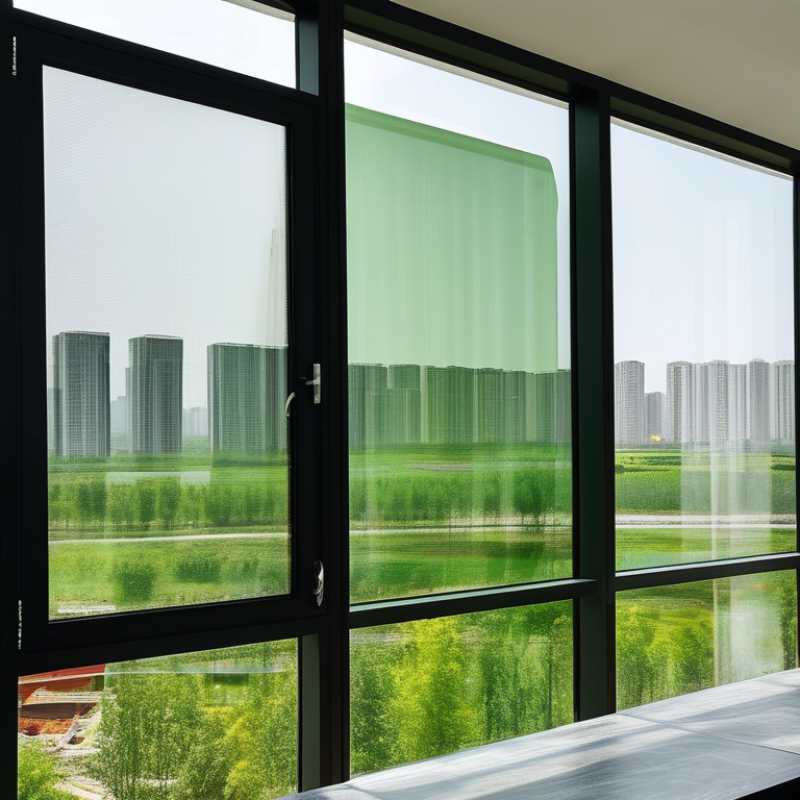
Overview of Energy Efficient Windows in China
Energy-efficient windows have become a significant focus in China's construction industry. These windows minimize heat loss and enhance insulation. Their design allows for better temperature regulation, reducing energy consumption for heating and cooling. Many manufacturers in China produce these windows using advanced materials. This innovation helps meet both domestic and international energy standards.
In recent years, there has been a growing awareness of sustainability. Energy-efficient windows contribute to reducing carbon footprints. However, not all options in the market provide the same benefits. Buyers must consider factors like material quality, durability, and specific insulation capabilities. The pursuit of energy efficiency should not compromise aesthetic appeal.
Many consumers express concern over cost. While energy-efficient windows may come with higher upfront expenses, long-term savings can be significant. It’s vital to weigh initial investments against future utility bills. Research and expert advice can help buyers make informed decisions. As the demand for energy-efficient solutions increases, manufacturers must continuously improve their offerings. This evolving landscape presents opportunities and challenges for all stakeholders involved.
Key Features of Top Energy Efficient Windows
When considering energy-efficient windows, several key features stand out. One important aspect is the glazing technology. Double or triple glazing effectively reduces heat transfer. According to the International Energy Agency (IEA), modern designs can cut energy costs by up to 30%. Low-emissivity coatings are another feature, reflecting heat back into the room. This simple addition enhances comfort while reducing reliance on heating.
Another aspect to consider is frame materials. Materials such as vinyl or fiberglass offer better insulation compared to traditional aluminum. A study by the American Council for an Energy-Efficient Economy (ACEEE) found that upgrading window frames can lead to significant energy savings over time. Proper installation is crucial as well; poor sealing can undermine performance.
Tip: Always check for certifications like ENERGY STAR or local equivalents. These labels ensure compliance with energy efficiency standards. Investing in energy-efficient windows not only decreases energy bills but also contributes to a more sustainable future. However, buyers should be cautious of misleading claims; not all products labeled as "efficient" meet stringent criteria.
Leading Manufacturers in China's Energy Efficient Window Market
China has emerged as a key player in the global energy-efficient window market. Recent industry reports indicate that the country holds over 30% of the global market share. This growth is fueled by rising energy costs and stricter building regulations aimed at reducing carbon footprints. Notably, energy-efficient windows can lower heating and cooling costs by up to 30%, emphasizing their market potential.
Several manufacturers in China are leading innovations in this sector. They utilize advanced technologies to enhance thermal performance and durability. For example, double and triple glazing techniques are becoming common, as they significantly improve insulation. Data shows that buildings equipped with such windows can achieve a reduction in energy consumption by as much as 25-40%. However, not all manufacturers meet the high standards required for international markets. There are concerns about quality control and the adequacy of certifications.
Emerging trends suggest a growing demand for smart windows that adapt to weather changes. These windows utilize sensors and technology to regulate indoor temperatures, increasing energy efficiency further. Yet, the market faces challenges, including competition and the need for continuous innovation. Addressing these issues will be crucial for manufacturers striving for global recognition.
Global Standards and Certifications for Energy Efficient Windows
When purchasing energy-efficient windows, global buyers often face a maze of standards and certifications. These criteria gauge energy performance and environmental impact. Understanding these standards is essential. It aids in making informed decisions. A window’s energy efficiency may be evaluated based on its U-value and solar heat gain coefficient (SHGC). These metrics measure insulation and energy transmission.
Many regions utilize certification programs. In Europe, the Passive House Standard emphasizes a rigorous testing process. In the United States, the ENERGY STAR label assures consumers of energy efficiency. Buyers must scrutinize these certifications to ensure they meet local regulations. However, different countries may prioritize distinct aspects of performance. This discrepancy can create confusion. Global buyers must recognize these variances in standards across different markets.
Despite advancements, some challenges remain. Measurement methods may vary. Not all certifications are equally respected worldwide. A lack of uniformity can lead to hard-to-compare products. Buyers should be cautious. Researching to understand regional certifications will help in achieving the desired energy efficiency. Collaboration between manufacturers and regulatory bodies might pave the way for clearer guidance.
China Top Energy Efficient Windows for Global Buyers
| Window Type |
Material |
Energy Rating |
U-Value (W/m²K) |
Certification |
| Double Glazed |
Vinyl |
A+ |
1.2 |
Energy Star |
| Triple Glazed |
Aluminum |
A++ |
0.8 |
ISO 14001 |
| Low-E Glass |
Fiberglass |
A |
1.5 |
LEED Certified |
| Acoustic Windows |
Wood |
A+ |
0.9 |
Passive House |
Market Trends and Consumer Preferences in Energy Efficient Windows
Energy efficient windows are gaining popularity among global buyers. As energy costs rise, consumers look for sustainable solutions. These windows help reduce heating and cooling needs. They can lead to significant savings on energy bills. The design also enhances comfort in homes.
Many consumers prefer windows with low U-values. These values indicate heat transfer efficiency. Double or triple glazing options are also sought after. They provide better insulation compared to single-pane windows. Additionally, aesthetic appeal plays a role. Homeowners want designs that complement their architecture.
**Tip:** When selecting windows, consider local climate. Understanding your environment helps in choosing the right type. Quality installation is crucial for maximum efficiency. Even the best windows won't perform well if not installed properly. Always check for certifications to ensure quality standards.