How to Choose the Right House Windows for Energy Efficiency and Style
When it comes to enhancing a home's energy efficiency and aesthetic appeal, the choice of house windows plays a pivotal role. According to Robert Green, a renowned expert in residential architecture, "The right windows not only improve a home’s energy performance but also elevate its overall style." With a myriad of options available, homeowners must navigate the complexities of various materials, designs, and energy ratings to find the perfect fit for their unique needs.
Selecting the right house windows involves not just a focus on energy efficiency but also a keen eye for style. Windows can define the character of a home, influencing both its interior ambiance and curb appeal. Exploring the various window styles—from classic to contemporary—can empower homeowners to make informed decisions that harmonize functionality and visual impact. With increasing awareness of environmental issues, energy-efficient windows are becoming a priority, as they contribute to sustainable living and utility savings while enhancing home comfort.
As we delve deeper into the essential considerations for choosing house windows, we will provide insights into key factors such as material types, insulation properties, and design aesthetics, ensuring that your selection process aligns with both energy efficiency and your personal style preferences.
Factors to Consider for Energy-Efficient Windows
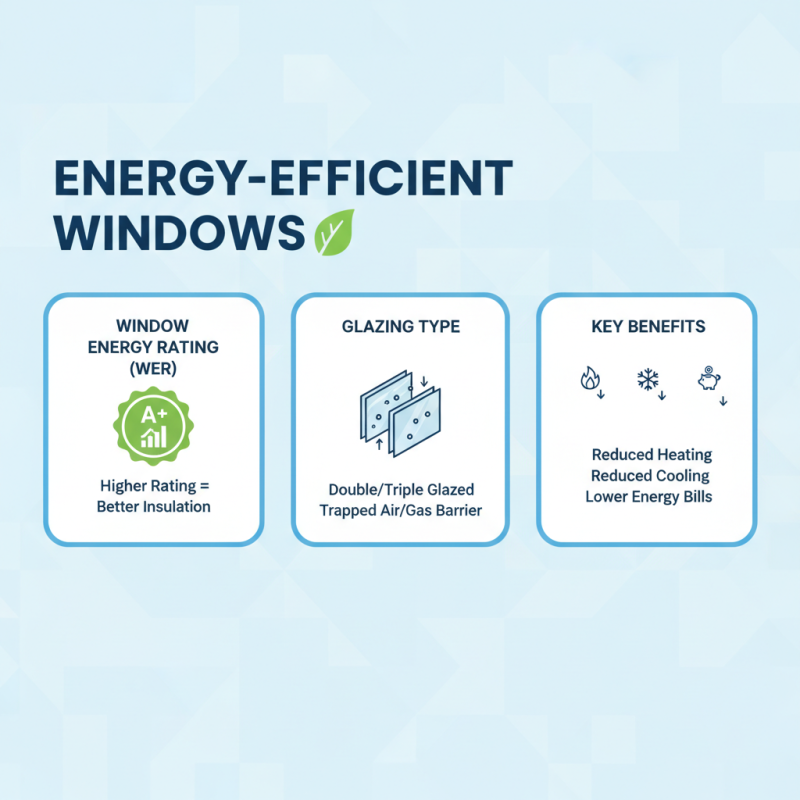
When selecting windows for energy efficiency, several critical factors come into play. First and foremost is the Window Energy Rating (WER), which indicates how well a window can conserve energy. Higher ratings often mean better insulation, contributing to reduced heating and cooling costs. Additionally, consider the type of glazing used in the windows. Double or triple-glazed options provide substantial insulation by trapping air or gas between panes, creating a barrier to heat loss.
Another important aspect is the frame material. Different materials, such as vinyl, wood, or aluminum, offer varying levels of energy efficiency due to their inherent properties. Vinyl frames are typically low-maintenance and provide good insulation, while wood frames can offer natural insulation but may require more upkeep. Furthermore, consider the window's placement and orientation in your home. South-facing windows can maximize sunlight exposure during winter months, while overhangs can provide shade in the summer, enhancing your home’s overall energy performance. By carefully analyzing these factors, you can select windows that not only boost energy efficiency but also complement the aesthetic appeal of your home.
Types of Windows: Styles and Their Impact on Energy Efficiency
When selecting windows for your home, understanding the various styles and their impact on energy efficiency is crucial. Each window style not only affects the overall aesthetic of your house but also plays a significant role in regulating indoor temperatures and reducing energy costs. For example, double-hung windows, which feature two operable sashes, allow for excellent ventilation while maintaining good insulation. This makes them a popular choice for homeowners looking to balance functionality and design.
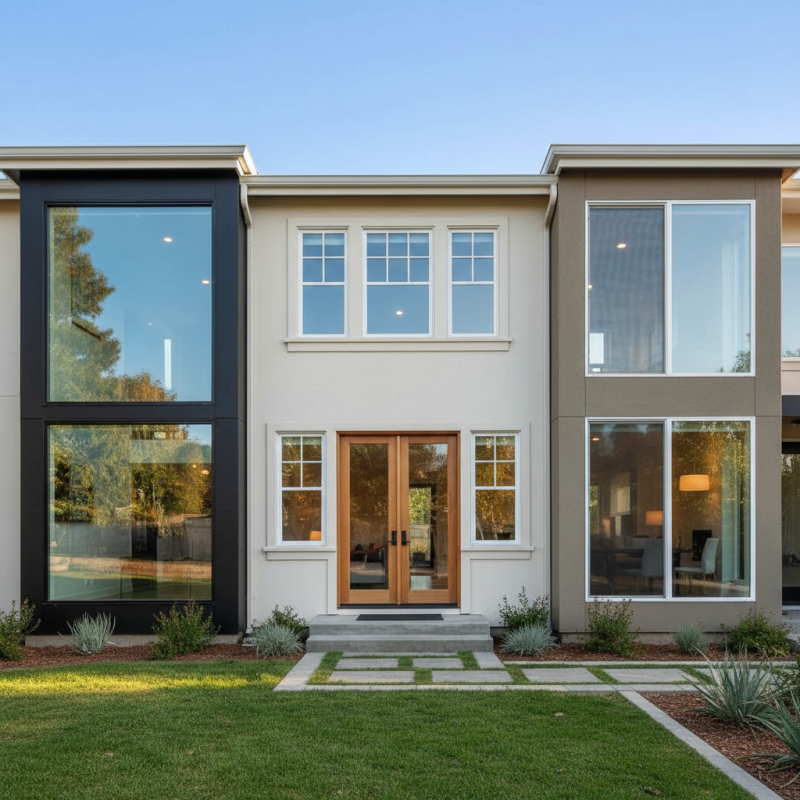
Another notable style is casement windows, which hinge at the side and open outward. This design creates a tighter seal when closed, significantly minimizing air leakage and improving energy efficiency. Furthermore, they can catch breezes from varying angles, enhancing natural ventilation. On the other hand, picture windows serve as large, fixed panes that provide unobstructed views and allow ample natural light but do not open. When combined with energy-efficient glazing, they can effectively enhance insulation while adding a contemporary touch to your home’s façade. Selecting the right window style involves considering both aesthetic preferences and fundamental energy performance features to optimize your home’s efficiency and visual appeal.
How to Choose the Right House Windows for Energy Efficiency and Style
| Window Type |
Energy Efficiency (Rated U-Factor) |
Style Description |
Typical Cost Range |
| Double-Hung |
0.25 - 0.35 |
Classic design with two operable sashes. |
$300 - $800 |
| Casement |
0.20 - 0.30 |
Hinged on the side and swings outward. |
$400 - $1000 |
| Sliding |
0.30 - 0.40 |
Opens horizontally with two panels. |
$200 - $600 |
| Fixed |
0.15 - 0.25 |
Non-operable, ideal for maximizing views. |
$250 - $700 |
| Bay/Bow |
0.25 - 0.35 |
Projects outward, creates a nook. |
$1000 - $3000 |
Understanding Window Glazing Options for Better Insulation
When selecting windows for your home, understanding the different glazing options is crucial for enhancing both energy efficiency and aesthetic appeal. Window glazing refers to the glass employed in the window, and it plays a significant role in insulation properties.
Single-glazed windows, while often less expensive, provide minimal insulation, leading to increased energy costs and discomfort in extreme weather. On the other hand, double-glazed and triple-glazed windows incorporate multiple panes of glass, creating insulating air spaces that reduce heat transfer between the interior and exterior of your home.
In addition to the number of panes, the type of gas used between the layers can further enhance insulation. Many modern double-glazed windows utilize argon or krypton gas, which are denser than air and significantly improve thermal performance. Low-emissivity (Low-E) coatings are another feature to consider, as they reflect heat back into the home during winter and keep interiors cool in summer by reflecting sunlight. By exploring these glazing options, homeowners can effectively balance energy efficiency and style, ensuring that their windows not only look good but also contribute to a more sustainable living environment.
The Role of Frames in Energy Efficiency and Aesthetic Appeal
The choice of window frames significantly impacts both the energy efficiency and aesthetic appeal of a home. When selecting frames, materials such as vinyl, wood, fiberglass, and aluminum each offer distinct advantages in thermal performance and style. For instance, vinyl frames provide excellent insulation while requiring minimal maintenance, making them a popular choice for energy-conscious homeowners. On the other hand, wood frames bring a classic warmth and beauty to a property, though they may necessitate more upkeep to maintain their energy-efficient properties over time.
Aesthetic considerations also play a crucial role in frame selection. The color, finish, and design of window frames can complement or contrast with a home's architecture, thus influencing its overall curb appeal. Sleek, modern frames can enhance contemporary designs, while more ornate frames may better suit traditional styles. When combined with energy-efficient glazing options, the right frame can create a harmonious balance between visual appeal and utility, ensuring that homeowners not only save on energy costs but also enjoy the beauty of their living spaces.
Energy Efficiency Ratings of Different Window Frame Materials
Installation Tips for Maximizing Energy-Saving Benefits
When selecting windows for your home, proper installation is crucial to ensure maximum energy efficiency. Even the best windows will underperform if not installed correctly. One key tip is to ensure proper sealing—using high-quality caulk and insulation can help minimize drafts and heat loss. Pay attention to the frame and be sure it is plumb and square to promote a snug fit, reducing gaps where air can escape.
Another essential tip involves the orientation of the windows. If you have the opportunity, consider how the sun's path affects your home throughout the day. South-facing windows can harness solar energy, enhancing natural warmth during the winter months. Additionally, adding overhangs or awnings can help to block the summer sun, reducing cooling costs.
Finally, it is wise to opt for double or triple-glazed windows if your climate calls for it. These multi-pane windows provide better insulation compared to single-pane windows, thereby keeping your home warmer in winter and cooler in summer. Ensure that your installation crew follows best practices for sealing and insulation to get the full benefits of your energy-efficient windows.