How to Choose the Best Window Replacements for Your Home

When it comes to enhancing your home's aesthetics and energy efficiency, choosing the right window replacements is crucial. Windows not only play a significant role in the overall appearance of your home, but they also contribute to insulation, natural lighting, and ventilation. With a myriad of styles, materials, and functionalities available, making an informed decision can be overwhelming. This guide aims to simplify the selection process by outlining essential factors to consider when evaluating window replacements.

Understanding your needs and preferences is the first step toward successfully choosing window replacements. Factors such as climate, local architectural styles, and personal lifestyle requirements must all be taken into account. Additionally, the benefits of modern window technologies, such as energy efficiency ratings and durability, can significantly influence your choice. By assessing the various options available, homeowners can ensure they select window replacements that not only look great but also provide long-term value and comfort.

How to Choose the Best Window Replacements for Your Home

Understanding Different Types of Window Replacements Available
How to Choose the Best Window Replacements for Your Home

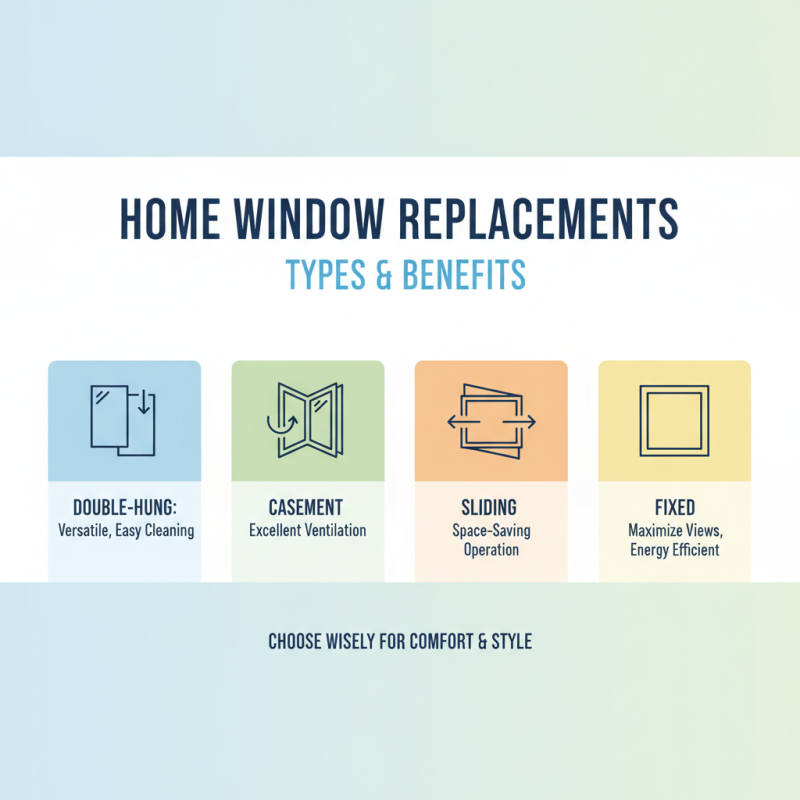
When it comes to choosing the best window replacements for your home, understanding the different types available is crucial. Windows can be classified into several categories, including double-hung, casement, sliding, and fixed windows. Each type has its unique features, advantages, and aesthetic appeal. For example, double-hung windows offer versatility and easy cleaning, while casement windows provide excellent ventilation through their outward-opening mechanism. Sliding windows are ideal for spaces with limited room for operation, and fixed windows are perfect for maximizing views without sacrificing energy efficiency.

**Tips:** When selecting window replacements, consider your home's architectural style and the overall look you want to achieve. It’s also wise to examine energy efficiency ratings, as well-designed windows can significantly reduce your heating and cooling costs. Additionally, think about the functionality you require: are you looking for ease of operation, security features, or enhanced natural light? Each of these factors will help narrow down your options.

Furthermore, don’t overlook the material choices available for window frames, such as vinyl, wood, aluminum, and fiberglass. Each material has its strengths and considerations, impacting maintenance, insulation properties, and durability. **Tips:** Do your homework on the maintenance requirements for each material. For instance, vinyl is often low maintenance and energy-efficient, while wood offers classic beauty but requires more upkeep. Understanding these different types and materials will guide you in making an informed decision that enhances both the look and performance of your home.
Assessing Your Home's Architectural Style and Window Requirements

When selecting window replacements for your home, it’s essential to assess your home’s architectural style and specific window requirements. Each style, whether it's traditional, modern, or colonial, has unique design elements that should be respected in the window selection process. For instance, casement windows might enhance a modern aesthetic, while double-hung windows are often more appropriate for colonial homes. Matching the window style to the architecture not only maintains visual harmony but also boosts your home’s curb appeal.

Tips: Take the time to research different window styles that complement your home’s design. Consider visiting homes in your neighborhood to see what window styles have been successfully implemented. This will provide you a broader perspective on how to align your choices with your home’s character.

In addition to aesthetics, consider the functional requirements of your windows. Factors such as energy efficiency, ventilation, and maintenance should play a critical role in your decision-making process. Certain styles may offer better insulation or ease of cleaning, which may suit your lifestyle and local climate.

Tips: Evaluate the energy efficiency ratings of potential window options. Many windows are designed with energy-saving technologies that can significantly reduce heating and cooling costs, making this an important factor to consider alongside style.

How to Choose the Best Window Replacements for Your Home

Architectural Style Recommended Window Type Material Consideration Energy Efficiency Rating Price Range (per window)
Victorian Double-Hung Wood Energy Star Certified $500 - $800
Modern Casement Aluminum Low-E Glass $700 - $1,200
Colonial Single-Hung Vinyl Double Glazed $400 - $700
Ranch Sliding Fiberglass High Efficiency $600 - $1,000
Craftsman Awning Wood or Composite Energy Efficient $500 - $900

Evaluating Energy Efficiency Ratings for Windows

How to Choose the Best Window Replacements for Your Home

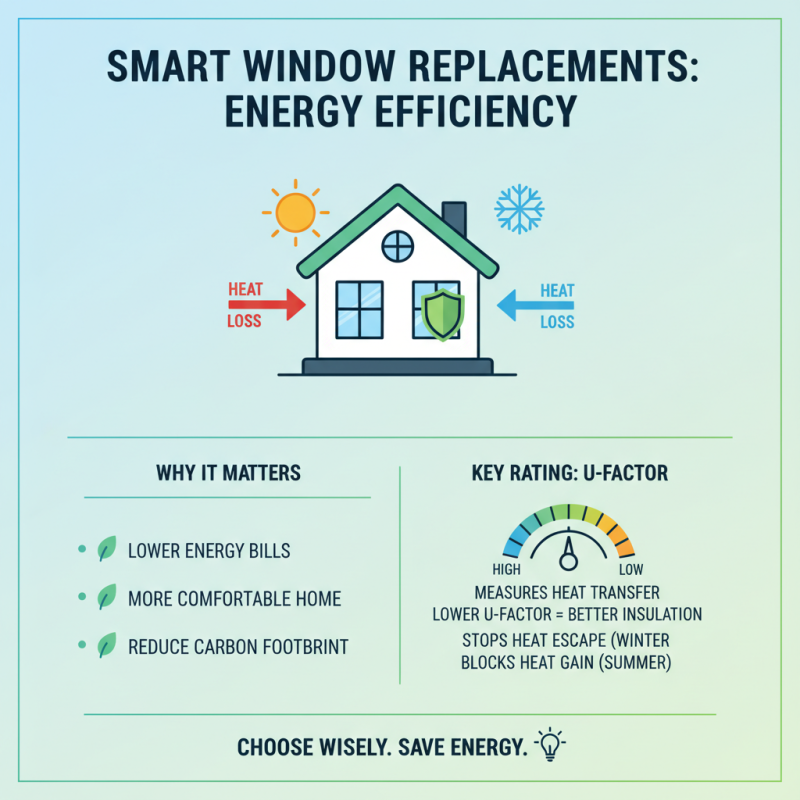
When selecting window replacements for your home, evaluating energy efficiency ratings is crucial. Windows are a significant source of heat loss in many homes, so choosing windows with high energy efficiency can contribute to lower energy bills and a more comfortable living environment. One key rating to consider is the U-factor, which measures the rate of heat transfer. The lower the U-factor, the better the window insulates your home, preventing heat from escaping in the winter and blocking heat from entering during the summer.

In addition to the U-factor, look at the Solar Heat Gain Coefficient (SHGC) and the Energy Star rating. The SHGC indicates how much solar radiation passes through the window, affecting your home's cooling costs. A lower SHGC is preferable in hotter climates to minimize solar heat gain, while a higher SHGC can be beneficial in colder climates where sunlight can help with heating. Windows that are Energy Star certified meet specific energy efficiency criteria, ensuring you make a choice that saves energy while providing comfort. Understanding these ratings will help you make informed decisions that align with your home’s energy efficiency goals.

Choosing Materials: Pros and Cons of Various Window Frame Options

When selecting window replacements for your home, the choice of frame material significantly impacts both aesthetics and performance. Common materials include vinyl, wood, fiberglass, and aluminum, each carrying distinct advantages and disadvantages. According to the American Institute of Architects, vinyl windows are popular due to their affordability and low maintenance, with average costs reported to be around $500 per window. However, they may not offer the same level of insulation as other materials, which can be a consideration for energy efficiency.

Wood frames provide a classic appearance and excellent insulation properties, but they require regular maintenance to prevent rot and warping. A study by the National Association of Realtors highlights that despite their higher initial investment (averaging around $800 per window), homeowners appreciate the return on investment in terms of curb appeal and longevity. On the other hand, fiberglass frames offer a compelling compromise, boasting durability and thermal efficiency with a typical cost range of $1,000 to $1,200. The inherent strength of fiberglass makes it resistant to shrinking and expanding, addressing common concerns associated with wood and vinyl options. Ultimately, weighing the pros and cons of each material based on budget, maintenance level, and energy efficiency is crucial for making an informed decision regarding window replacements.

Window Frame Material Comparison

The above chart illustrates the popularity of various window frame materials based on recent market research. Vinyl is the most popular choice, accounting for 40% of installations, followed by wood at 30%. Aluminum, fiberglass, and composite materials make up the remaining market share.

Considering Installation Methods and Professional vs. DIY Installation

When considering window replacements for your home, one of the crucial decisions you'll face is whether to hire professionals for installation or tackle the project yourself. Professional installation often ensures that the windows are fitted correctly, utilizing industry techniques that can guarantee longevity and performance. Skilled installers are adept at addressing potential challenges such as structural issues or uneven framing that might not be readily apparent to a DIYer. Additionally, professional services usually come with warranties, providing peace of mind and assurance in case of future problems.

On the other hand, DIY installation can be a rewarding endeavor for those with a moderate level of skill and confidence. It allows for greater control over the project timeline and can significantly reduce costs, as labor fees are eliminated. However, it’s vital to assess your own capabilities realistically. Proper measuring, as well as understanding of insulation and sealing techniques, is paramount for achieving energy efficiency and preventing leaks. Those considering the DIY route should also explore available resources, such as tutorials or workshops, to equip themselves with the necessary knowledge for a successful installation. Ultimately, the choice hinges on balancing budget constraints with the desire for quality workmanship.