How to Determine the Cost of Window Replacement?
Window replacement is a significant investment for homeowners. Understanding the cost of window replacement can help make informed decisions. "Quality windows are an investment that pays off in the long run," says Mark Peterson, a window replacement expert with over 20 years of experience.
When considering new windows, various factors come into play. The cost of window replacement varies based on material, style, and installation requirements. Energy-efficient windows may cost more upfront but offer savings on utility bills. The choice between vinyl, wood, or fiberglass frames influences the overall price significantly.
Homeowners should also factor in labor costs when assessing the cost of window replacement. Hiring experienced contractors ensures proper installation but may increase expenses. It's essential to get multiple quotes to gauge reasonable pricing. Reflecting on these components can lead to better decisions and satisfaction with the final choice.
Factors Influencing Window Replacement Costs
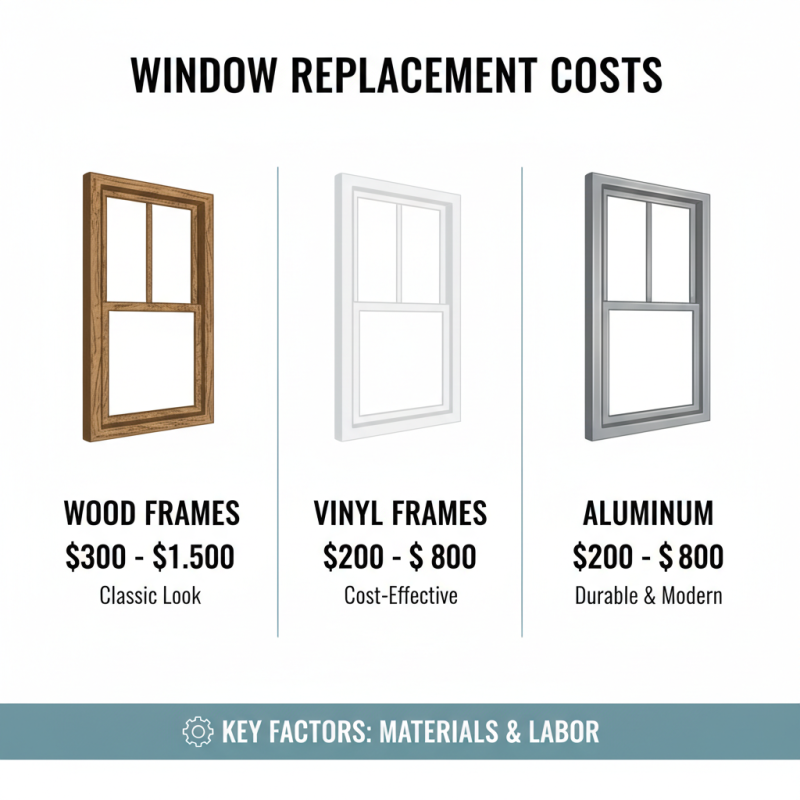
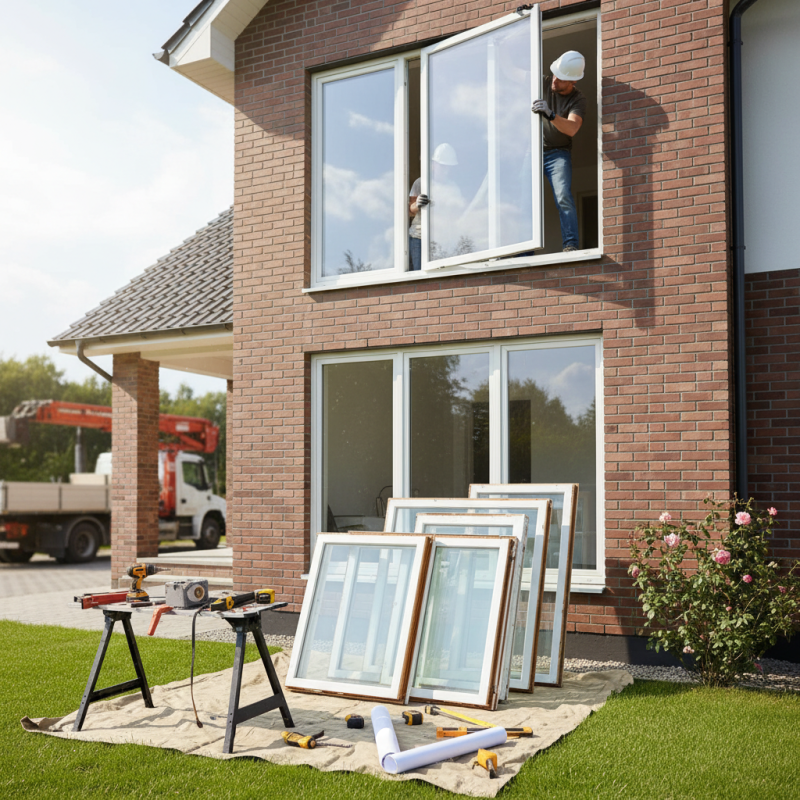
When considering window replacement, several key factors influence costs. Material choice plays a significant role. For instance, wood frames may range from $300 to $1,500 per window, while vinyl options can cost between $200 and $800. Aluminum frames are also common, typically priced similarly to vinyl but might require more maintenance.
Installation complexities add to the cost. If your home requires custom sizes or special features, expect a price increase of 10% to 25%. Labor costs vary by region. On average, homeowners should budget $100 to $300 per window for installation. Additional expenses can arise from old window removal or structural repairs.
Energy efficiency impacts long-term savings. Energy Star-rated windows can reduce heating and cooling costs by up to 30%. Despite the higher upfront costs—averaging $800 to $1,200—they provide valuable benefits. Upfront pricing can be a challenge. Often, hidden fees surprise consumers when the project begins. Planning is crucial to avoid unexpected expenses.
Types of Windows and Their Price Ranges
When considering window replacement, various types of windows come with different price ranges. For instance, double-hung windows typically range from $300 to $800 each. This option is favored for its classic design and easy maintenance. Sliding windows, another popular choice, can cost between $400 and $1,200, depending on the size and style. These windows allow for ample natural light and are ideal for contemporary homes.
Specialty windows, like bay or bow windows, entail a higher investment. Prices for these can soar from $1,000 up to $5,000 or more. Their aesthetic appeal can enhance curb appeal significantly, but homeowners must weigh the costs against their budget. According to the National Association of Realtors, replacing old windows can yield a return on investment of about 73%. However, there's no guarantee that it will always result in higher home value. Homeowners must carefully assess their priorities and plans for their properties.
Factors such as energy efficiency are essential in the decision-making process. Energy Star-rated windows can lower utility bills but may come with a higher upfront price. The average cost of installing energy-efficient windows ranges from $1,500 to $4,000 per window. This presents a dilemma: invest in energy savings now or pay more later for utilities? Balancing immediate costs against potential long-term savings is a complex decision many face.
Labor Costs Associated with Window Installation
Understanding labor costs is crucial when considering window replacement. Installation prices can vary greatly depending on your location and the complexity of the job. According to industry data, labor costs typically account for about 30-50% of the overall project cost. For example, in urban areas, skilled labor rates can reach $75 per hour or more. In contrast, rural rates might be lower, potentially around $50 per hour. This market variability highlights the importance of researching local pricing.
When hiring professionals, several factors influence labor costs. The type of window being installed is one key aspect. A double-hung window may take less time than a custom-sized casement window. Additionally, if your home requires extra preparation, such as removing old windows or repairing frames, labor costs increase.
Tips: Always obtain multiple quotes. This helps ensure you receive fair pricing. Don't shy away from asking for a breakdown of costs. A transparent estimate can reveal hidden fees. Also, consider scheduling installations during the off-peak season to secure better rates. Finally, always check reviews and ask for references to avoid costly mistakes.
Additional Expenses to Consider in Window Replacement
When considering window replacement, various additional expenses often come into play. Labor costs can significantly impact your budget. Installation might look simple, but it requires skill. Poor installation can lead to future issues. Ensure you account for these potential costs.
Aside from labor, consider disposal fees for old windows. This can add to the initial expense. You might also need to pay for permits. In some areas, there are regulations around window installations. Do not overlook the need for weatherproofing materials. These can also add to your costs.
Finally, think about the long-term savings. Energy-efficient windows might have a higher upfront cost. However, they can save you money on utility bills over time. Don't let immediate costs cloud your judgment. It's essential to weigh short-term expenses against long-term benefits.
Cost Breakdown for Window Replacement
Ways to Save on Window Replacement Costs
When planning a window replacement, there are effective ways to save on costs. One approach is to consider the timing of your project. Off-peak seasons, often in late fall and winter, can lead to significant discounts. Many contractors offer lower rates during these times, as demand is typically lower.
Another way to cut costs is by choosing energy-efficient options. While these windows may have a higher upfront cost, they can save you money in the long run. Look for local incentives or rebates that can offset the initial expense. Additionally, exploring various materials can also lead to savings. Vinyl windows are typically more affordable than wood or metal counterparts.
You can also save by opting for a DIY approach if you have the skills. However, be aware of potential pitfalls. Mistakes during installation can be costly and may negate savings. Always weigh your abilities against the complexity of the project. Getting multiple quotes from contractors can reveal significant price variations. Be prepared to negotiate and discuss your budget with potential installers for the best deal.