What is Energy Efficient Windows and How Do They Benefit Your Home?
Energy efficient windows are designed to reduce energy loss and enhance comfort in homes. They have specific features that help keep the indoor temperature stable. This leads to lower energy bills over time. These windows often include advanced glazing technologies and better insulation materials. The variability in quality and efficiency can be overwhelming.
Choosing the right energy efficient windows requires careful consideration. The benefits extend beyond energy savings. Improved indoor air quality and reduced noise pollution are notable advantages. However, not all windows labeled as energy efficient perform equally. Some may fall short of expectations, leading to frustration and disappointment.
It's crucial to research and compare different options. Reading reviews and consulting experts can provide valuable insights. While energy efficient windows can be a worthwhile investment, the initial cost can be a barrier. Homeowners should weigh the long-term benefits against upfront expenses. Finding the balance is key to making an informed decision.
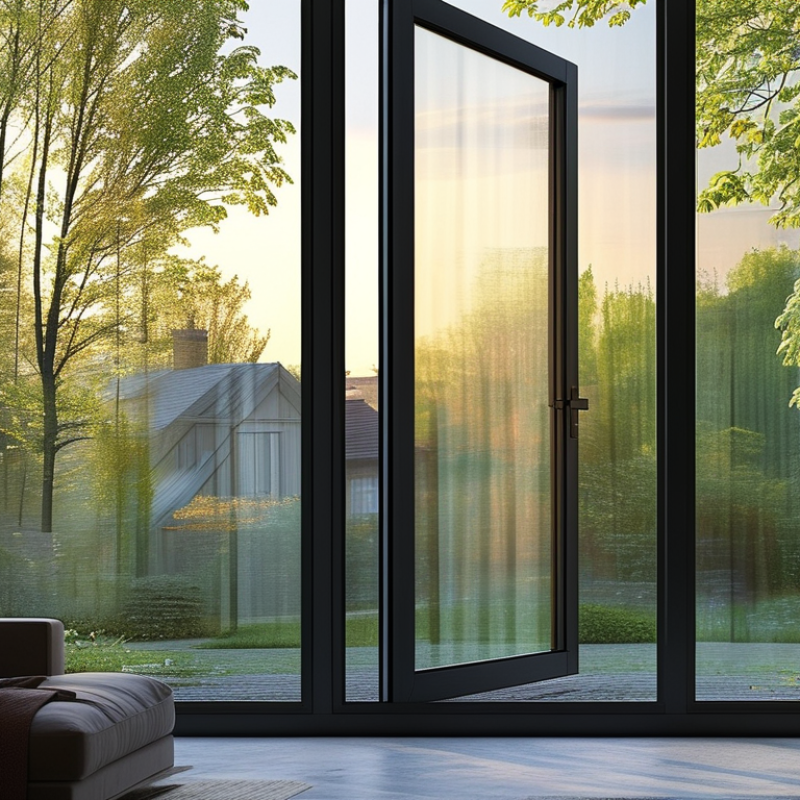
What Are Energy Efficient Windows?
Energy efficient windows are designed to reduce energy consumption in homes. These windows utilize advanced technologies and materials that improve insulation and minimize heat transfer. According to the U.S. Department of Energy, replacing single-pane windows with energy-efficient models can save homeowners between $126 and $465 annually on energy bills.
These windows often have double or triple glazing, allowing for better thermal performance. They’re equipped with low-emissivity (low-e) coatings that reflect heat back into the room during winter and keep it out during summer. The National Fenestration Rating Council (NFRC) states that energy-efficient windows can reduce heating and cooling costs by up to 25%. This makes them a smart investment for long-term savings.
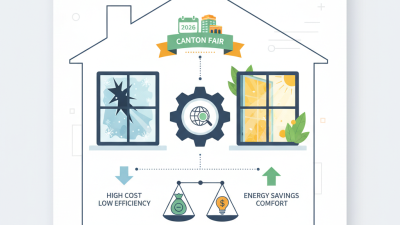
However, homeowners should be aware of potential issues. Installation quality is crucial for achieving optimal performance. Poorly sealed windows may lead to air leaks, undermining energy savings. Additionally, balancing the upfront costs with long-term benefits can be challenging. While energy-efficient windows offer significant savings, the initial investment may deter some homeowners. Thus, careful consideration of options and professional advice is essential.
What is Energy Efficient Windows and How Do They Benefit Your Home? - What Are Energy Efficient Windows?
| Feature |
Description |
Benefits |
| Low-E Glass |
Glass treated with a transparent coating that reflects heat |
Reduces energy bills by minimizing heat transfer |
| Double or Triple Glazing |
Windows with two or three layers of glass |
Improves insulation, making your home more comfortable |
| Gas Fills |
Inert gases like argon or krypton between glass panes |
Enhances thermal performance and energy efficiency |
| Frame Materials |
Materials that help limit heat loss, such as vinyl or fiberglass |
Provides durability and better insulation |
| Solar Heat Gain Coefficient (SHGC) |
Measurement of how much solar heat passes through a window |
Helps to control indoor temperatures and reduce cooling costs |
Key Features of Energy Efficient Windows
Energy efficient windows are designed to minimize energy loss and enhance the comfort of your home. They feature advanced technologies such as low-emissivity (Low-E) coatings, multiple glazing, and gas-filled chambers. According to the Department of Energy, modern energy-efficient windows can significantly reduce heating and cooling costs by 7 to 15%. This translates to an estimated savings of $125 to $465 annually for homeowners.
One key aspect is the insulating properties of these windows. They usually include double or triple panes that create air pockets, slowing heat transfer. In colder climates, this can lead to a warmer and more comfortable living space. Furthermore, ENERGY STAR-certified windows can prevent up to 95% of harmful ultraviolet rays, protecting furnishings from fading. However, while these products provide substantial benefits, installation quality is crucial. Poorly installed windows can negate the advantages, so engaging professionals is advisable.
Energy-efficient windows also play a role in noise reduction. The sound transmission class (STC) ratings reflect how well windows block noise. An STC rating of 40 or higher is desirable for a quieter environment. While investing in these windows can significantly enhance comfort, they are not a one-size-fits-all solution. Evaluate your specific needs and local climate conditions before making a decision.
How Energy Efficient Windows Improve Home Comfort
Energy efficient windows are designed to reduce heat loss in the winter and keep homes cool in the summer. These windows employ advanced technologies, such as double glazing and low-emissivity coatings, to enhance insulation. The result? A significant reduction in energy bills. Homes equipped with energy efficient windows maintain a more stable indoor temperature.
Improved comfort is a primary benefit. These windows minimize drafts, which can make rooms chilly. They also reduce outside noise, creating a peaceful environment. You can enjoy natural light without the discomfort of glare. Homeowners reported that their living spaces feel cozier after installation. However, it’s essential to consider factors like proper installation and frame materials for optimal performance.
Yet, not all energy efficient windows perform equally. It’s crucial to research and consult professionals. Some may underestimate the importance of window placement and orientation. Reflections can lead to unwanted heat gain. Balancing aesthetics with functionality can be a challenge. A thoughtful approach will ensure that your investment truly enhances comfort and efficiency.
The following chart illustrates the benefits of energy-efficient windows in terms of energy savings, comfort, and noise reduction. The data is based on average improvements reported by homeowners.
Cost Savings and Environmental Benefits of Energy Efficient Windows
Energy efficient windows are a smart investment for homeowners seeking both cost savings and environmental sustainability. These windows are designed to minimize heat transfer, keeping your home comfortable. They often feature multiple panes, low-emissivity coatings, and argon gas fill. Such design reduces energy consumption significantly.
Cost savings can be observed on energy bills. Homes equipped with energy efficient windows typically reduce heating and cooling costs by 15-25%. The initial investment may be higher, yet the long-term savings are notable. Additionally, these windows enhance the home’s value. Future buyers appreciate lower energy costs and environmental considerations.
Tips: Consider installing window films for added efficiency if replacing windows isn't feasible. Check for proper sealing, as even small gaps can cause energy loss. Regular maintenance can extend the life of your windows. Reflecting on your current setup could reveal areas for improvement.
Choosing the Right Energy Efficient Windows for Your Home
Choosing the right energy-efficient windows for your home is crucial. According to the Department of Energy, windows account for about 25-30% of residential heating and cooling energy use. Selecting windows with a low U-factor and a high Solar Heat Gain Coefficient (SHGC) can prevent heat loss. It’s essential to consider the climate zone your home is in. Different windows perform better in different climates.
Consider the window frame material. Vinyl and fiberglass offer better insulation than aluminum. A study by the Lawrence Berkeley National Laboratory found that homeowners can save up to $465 annually by upgrading to energy-efficient windows. However, the upfront costs can be a barrier. Not every option may match your home’s aesthetics or budget.
Think about your specific needs. Some people may need high light transmittance, while others prioritize thermal insulation. An Energy Star label can guide your choices. Ultimately, understanding these factors helps in selecting the right windows. But remember, every home is different, and what works for one may not work for another.