Essential Tips for a Smooth Home Window Installation Process
The process of home window installation is a significant undertaking that can greatly enhance both the aesthetics and energy efficiency of a home. According to the National Association of Home Builders, over 60% of U.S. homeowners choose to replace or install new windows to improve energy savings and comfort. It’s crucial to understand that a successful window installation can lead to reduced energy costs and increased property value, as well as an enhanced overall living experience for homeowners.
Industry expert, John Smith, a renowned authority on home improvement, emphasizes the importance of planning in the installation process: “The key to a successful home window installation lies in the preparation and execution of each step. Neglecting even the smallest detail can lead to costly repairs later.” This statement underscores the necessity of meticulous attention to detail, proper measurement, and adherence to best practices during installation. By following essential tips and understanding the intricacies of home window installation, homeowners can avoid common pitfalls, ensuring a seamless and efficient process that ultimately revitalizes their living spaces.
Choosing the Right Type of Windows for Your Home Needs
Choosing the right type of windows for your home is crucial in ensuring not only aesthetic appeal but also energy efficiency and functionality. Homeowners should begin by assessing their specific needs, such as climate conditions, noise levels, and security concerns. For example, double or triple-pane windows can provide excellent insulation in colder climates, while impact-resistant windows are advisable in areas prone to extreme weather conditions.
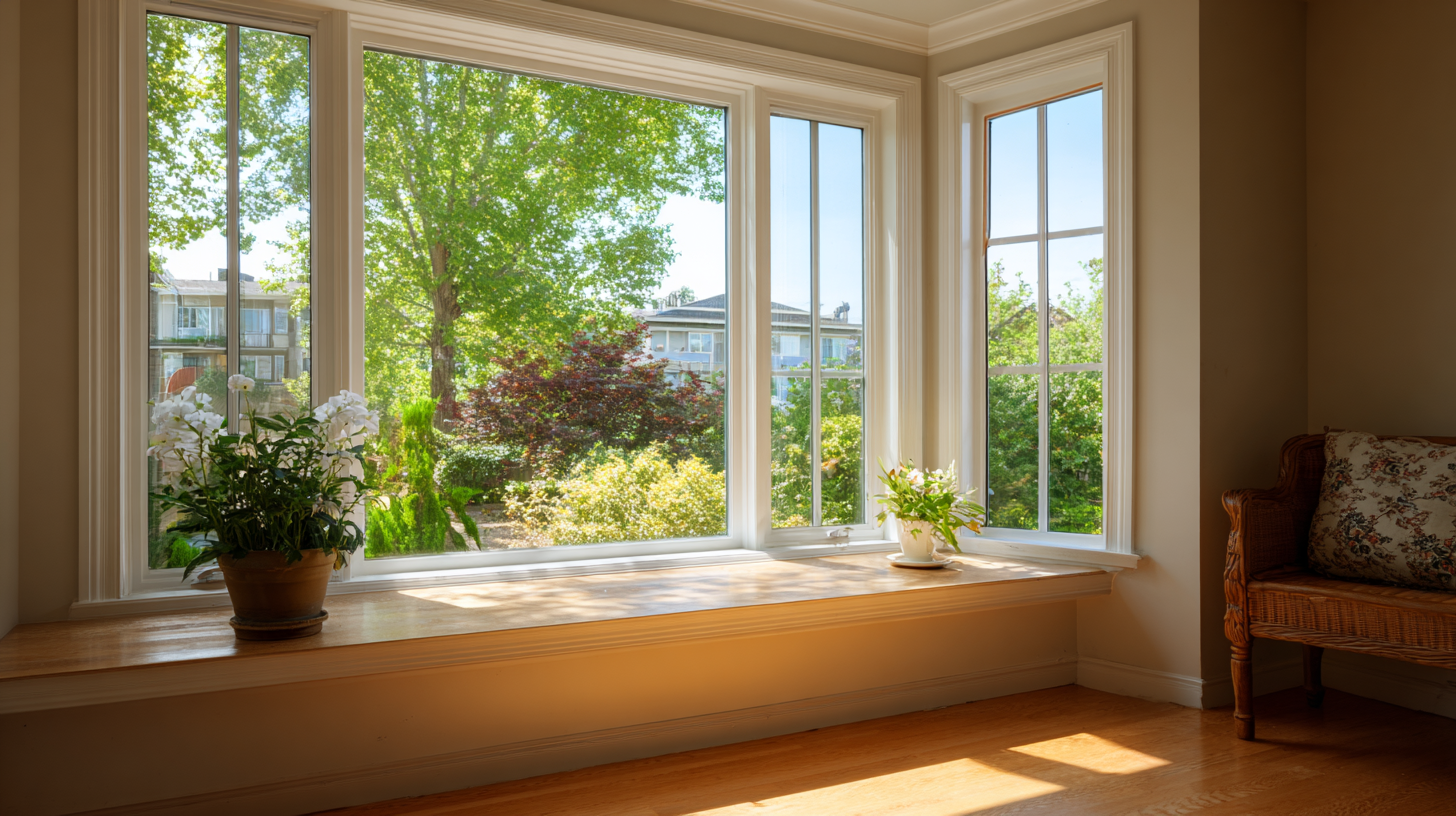
Additionally, consider the material of the windows, which can range from wood and vinyl to fiberglass and aluminum. Each material has its own advantages; for instance, vinyl is low-maintenance and energy-efficient, while wood offers a classic look and excellent insulation properties. Don't forget to evaluate the style as well—casement, sliding, and bay windows feature distinct designs that can enhance your home’s character. By taking these factors into account, you can select windows that beautifully complement your home's architecture while meeting your practical requirements.

Preparing Your Home for the Window Installation Process
Preparing your home for the window installation process is crucial to ensure a smooth and efficient experience. Before the installation team arrives, it is important to clear the area around the windows where work will be done. This means removing any furniture, decorations, or window treatments that could obstruct access. By creating a clear workspace, you not only facilitate the installation process but also protect your belongings from potential damage.
Another essential step in preparation is to inform your household about the upcoming installation. Make sure everyone knows which windows will be replaced and the expected timeline for the work. Additionally, consider arranging for pets to be elsewhere during the installation, as the noise and activity can be stressful for them. Lastly, if any painting or repairs are needed on the interior or exterior around the windows, it is wise to complete those tasks beforehand to avoid complications once the new windows are installed. Taking these steps will help set the stage for a successful window installation project.
Essential Tools and Equipment for a Successful Installation
When embarking on a home window installation project, having the right tools and equipment is crucial for ensuring a successful outcome. A survey conducted by the National Association of Home Builders (NAHB) revealed that improper installation is responsible for over 50% of window-related issues. This underscores the importance of equipping yourself with essential tools, such as a level, a measuring tape, and a drill with appropriate bits. A level guarantees that your windows are installed straight, while a measuring tape ensures precise dimensions, preventing costly errors.
Additionally, specialized tools like a utility knife for removing old caulk and weather stripping, as well as shims for adjusting window placement, are essential for an effective installation. According to the American Society of Home Inspectors, homes equipped with well-installed windows see a reduction in energy costs by up to 25%. Using quality sealants and flashings can further enhance energy efficiency, making the right selection of materials and tools integral not just to the installation process but also to long-term savings and comfort.
Essential Tips for a Smooth Home Window Installation Process - Essential Tools and Equipment for a Successful Installation
| Tool/Equipment |
Purpose |
Tips for Use |
| Measuring Tape |
Accurate measurements for the window frame |
Double-check measurements to ensure a proper fit |
| Level |
Ensures the window is installed straight |
Check both vertically and horizontally |
| Screwdriver |
To secure the window in place |
Use the correct type and size of screwdriver |
| Caulking Gun |
For sealing gaps around the window |
Apply even pressure for a straight bead |
| Utility Knife |
For trimming excess materials |
Keep the blade sharp for clean cuts |
| Safety Glasses |
Protects eyes from debris |
Always wear them when cutting or drilling |
| Drop Cloths |
Protects floors and furniture |
Use to cover areas where debris may fall |
Common Mistakes to Avoid During Window Installation
When undertaking a home window installation, several common mistakes can derail the process and lead to unsatisfactory results. One major error is neglecting to measure the window openings accurately. Inaccurate measurements can result in windows that do not fit properly, requiring additional modifications that can be costly and time-consuming. It's crucial to double-check all dimensions before proceeding with the purchase and installation of new windows.
Another frequent pitfall is failing to properly prepare the installation area. This involves removing old windows carefully and ensuring that the frame is in good condition prior to the new installation. Inadequate weatherproofing can also be an issue; not using the right sealants and flashing can lead to drafts and leaks. To avoid these mistakes, taking the time to prepare thoroughly and following manufacturer guidelines is essential.
Final Checks and Maintenance Tips for Newly Installed Windows
When it comes to home window installation, the final checks and maintenance are crucial to ensure longevity and optimal performance. According to the Window and Door Manufacturers Association (WDMA), 30% of window performance issues originate from improper installation. To mitigate this, homeowners should conduct a thorough inspection after installation, ensuring that windows open and close smoothly, seals are intact, and no gaps are present that could lead to air leaks or water intrusion.
Following the initial inspection, regular maintenance plays a vital role in preserving the condition of newly installed windows. The National Fenestration Rating Council (NFRC) recommends cleaning windows at least twice a year to remove dirt and debris that can accumulate and affect both the aesthetics and functionality of window units. Additionally, lubricating moving parts and inspecting weather stripping can help prevent common problems that arise as windows age. By implementing these simple yet effective maintenance practices, homeowners can enjoy the full benefits of their investment and enhance the energy efficiency of their homes.
Window Installation Efficiency and Maintenance