Choosing window installers is not just a matter of comparing prices. A window can look flawless in a showroom and still perform poorly if it is measured incorrectly or sealed badly. The right installer should explain the work clearly, show relevant project experience, and provide a written scope that names products, preparation, cleanup, and warranty terms. Small details matter.
The U.S. Department of Energy’s Energy Saver guidance estimates that heat gain and heat loss through windows account for 25%–30% of residential heating and cooling energy use. ENERGY STAR guidance also notes that replacing single-pane windows with certified models can reduce household energy bills, though actual savings vary by climate and home. These figures describe potential product benefits, not guaranteed results. Installation quality still counts. Look for installers who can explain how they handle flashing, insulation, and air sealing around the frame. Ask how they address uneven openings or signs of moisture before fitting new units.
Compare more than the final quote. Check references for similar homes, confirm who will complete the work, and ask what happens if a window sticks or leaks after installation. The National Fenestration Rating Council label helps compare a window’s rated performance, but it cannot verify an installer’s workmanship. That distinction is easy to miss. A polished proposal is not proof of a careful crew, and even a good interview leaves room for doubt. Use the conversation to test how clearly the installer answers practical questions, then weigh those answers alongside documentation and past work.
Before requesting quotes, define what each room needs. NFRC labels report a window’s U-factor and Solar Heat Gain Coefficient (SHGC), making products easier to compare. Lower U-factor generally means less heat passes through the window. SHGC indicates how much solar heat enters. Both matter, but the right balance depends on climate, window direction, and shade.
A south-facing room with strong afternoon sun may benefit from a lower SHGC. A drafty bedroom in a cold region may need more attention to U-factor. Write down these priorities and ask installers to provide NFRC documentation for the exact window models they propose. Check that the quoted ratings match the product labels, not just a sales sheet. Small mismatch, big headache.
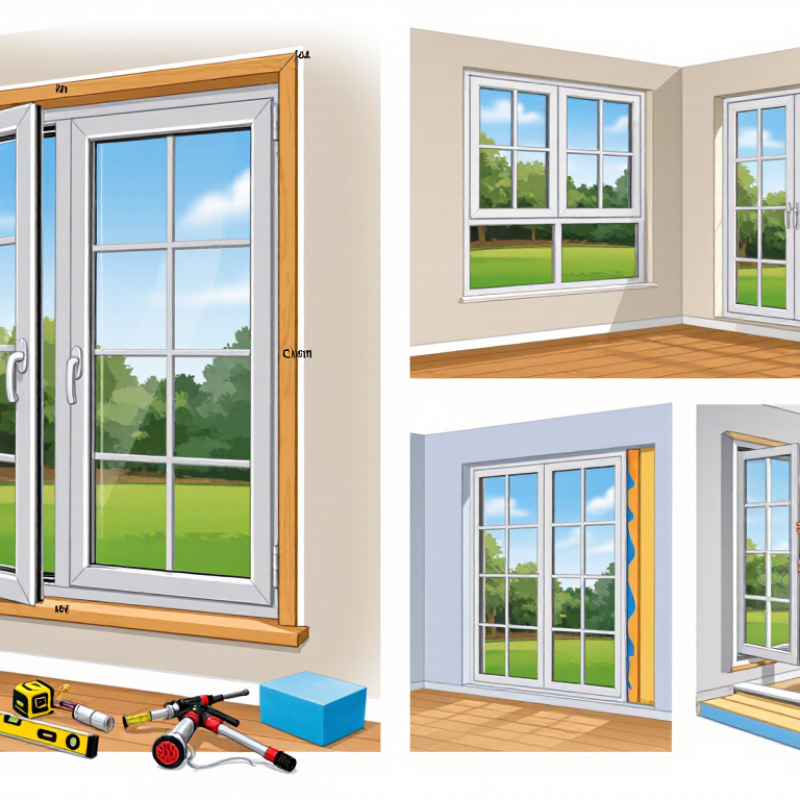
Ratings describe tested products, not every finished installation. Ask how the crew will measure openings, level and secure frames, and seal gaps around them. Poor fitting can undermine comfort even when the window’s ratings look strong. Request these steps in the written scope, along with details about trim and flashing. I would not pretend one number settles everything. Glass area, existing frames, and installation quality also affect results. A careful installer should explain trade-offs plainly and flag any uncertainty before work begins.
Lower U-factor means less heat transfer through the window; SHGC describes how much solar heat enters. These example planning targets are not code limits or universal recommendations. Set project requirements for your climate, orientation, and comfort needs, then compare NFRC-rated whole-window values when reviewing installer proposals.
Ask window installers for current licensing, liability insurance, and worker coverage records before comparing estimates. Request references for projects with similar wall construction. Then ask who will supervise the installation and what training the crew has. Credentials matter, but they do not prove careful work.
ASTM E2112 provides standard practices for installing exterior windows, doors, and skylights. Ask the installer to explain how the plan addresses the rough opening, flashing, drainage, fastening, and sealant. Get those details in writing, including how the crew will protect the sill if rain arrives. The U.S. Department of Energy’s Energy Saver guidance estimates that windows account for about 25–30% of residential heating and cooling energy use. That figure makes correct installation worth discussing, though actual results depend on the home and its windows. A site visit can reveal practical details: Are materials kept dry? Is the opening inspected before the frame goes in? Paperwork helps, but it cannot show every job-site decision. Even a detailed checklist can miss something. Ask questions, and look closely.
A 13% average savings claim can sound precise, but it is not a promise for every home. Actual results depend on climate, window size, energy prices, and how much heating or cooling escapes elsewhere. A drafty attic or poorly sealed door may blunt the improvement. The number is a starting point. Not a guarantee.
Ask prospective installers how they estimate savings for your specific house. Request the assumptions in writing, including the existing window type, proposed glass performance, and installation method. A useful estimate should distinguish projected energy savings from other benefits, such as reduced drafts or outside noise. Compare more than the headline percentage. Ask whether the calculation uses your utility bills or general regional averages.
Look closely at the installation plan. Will the crew remove the old frame, inspect the opening, and seal gaps around the new unit? Request product specifications, a written labor warranty, and recent local references. Check that the quote lists disposal, trim work, and any expected repairs. One detail can be missed. Even efficient windows may underperform when fitted carelessly. A careful installer should explain what the 13% estimate includes, and what it leaves out.
A low quote can hide expensive gaps. Ask each window installer for an itemized bid covering the same window count, sizes, frame materials, glass options, and installation method. The U.S. Department of Energy’s Energy Saver guidance says windows account for about 25%–30% of residential heating and cooling energy use. That makes product specifications worth checking, not just the total price. Compare glass ratings, frame type, flashing, insulation, disposal, and interior trim. Details matter.
Request three written bids, then separate materials from labor and permit or cleanup charges. Confirm whether old frames will be removed, how openings will be sealed, and who handles unexpected rot. A vague “installation included” is hard to compare. Ask for warranties in writing: what the manufacturer covers, what the installer covers, and whether labor is included if a defect appears. Check exclusions, transferability, and the claim process. Even then, comparisons are not perfectly tidy; installers may propose different solutions for the same opening. Ask each to explain the difference, and record the answer beside the price. A slightly higher bid may include better sealing or longer labor coverage, but only clear terms let you judge that fairly.
A reliable installer should be willing to share recent customer references, not just polished testimonials. Ask for two or three projects similar to yours, ideally with comparable window styles and installation conditions. Then contact those homeowners yourself. Did the crew arrive when promised? Were floors and furniture protected? Did the installer return promptly when a sash stuck or a draft appeared? Small details matter.
Look for references from work completed through at least one change of season. A brief conversation can reveal more than a perfect online rating. Still, references are only one piece of evidence. Check that the company’s written proposal names the products, installation steps, cleanup, and responsibility for correcting workmanship problems.
Read the warranty before signing. It should clearly state how long materials and labor are covered, who handles a claim, and what conditions may limit coverage. Ask whether the warranty covers water leaks, air gaps, or damaged interior trim. Get any verbal promise added in writing, including the expected response time. Keep a copy with the final invoice. Fine print can be easy to miss, and I would not assume “lifetime” means every repair is included. If a term is unclear, ask for a plain-language explanation and a revised document before work begins.
| What to Check | Reliable Evidence to Request | Questions to Ask | Warning Signs |
|---|---|---|---|
| Recent project references | References from customers whose projects are similar in scope, window type, and building age. With permission, review completed work in person or request dated project photos. | Was the work completed on schedule? Were issues resolved? How did the installer protect the home and clean up? | Only undated testimonials, no relevant examples, or reluctance to provide references. |
| Written, itemized estimate | A document showing the number and sizes of windows, products or specifications, labor, removal and disposal, finishing work, taxes, and any exclusions. | What work is included in the price? Which conditions could add costs, and how must changes be approved? | A vague total price, undocumented extras, or pressure to approve changes verbally. |
| Written warranty terms | Separate written details for installation labor and window products, including coverage period, exclusions, claim process, and whether coverage can be transferred. | Who handles a leak or installation defect? What maintenance or documentation is needed to make a claim? | A verbal promise, unclear coverage, or terms that are not available before signing. |
| Insurance and required credentials | Current proof of relevant liability and worker coverage, plus any registration or license required for this type of work in the project location. Requirements vary by jurisdiction. | Can you provide current documents, and who will perform the work? | Expired or unavailable documents, or uncertainty about local requirements. |
| Installation plan and responsibilities | A description of measurement, removal, installation, sealing, interior and exterior finishing, cleanup, and handling of unexpected damage. | Who takes final measurements? Who obtains any required permits and checks local code requirements? | No clear point of contact or no written plan for concealed damage and additional work. |
| Schedule and payment terms | A written schedule with estimated start and completion dates, payment milestones, cancellation terms, and the process for documenting delays. | When is each payment due? What happens if materials or site conditions delay the work? | Unclear milestones, undocumented fees, or pressure to pay the full amount upfront. |
| Contract review before signing | A complete contract that matches the estimate and includes product specifications, scope, price, schedule, warranty documents, and a process for written changes. | Can I review the full contract and warranty documents before signing? | Blank fields, conflicting documents, or requests to sign before the terms are clear. |
Compare written proposals on the same scope of work, and keep signed documents, receipts, and warranty records.