Why You Should Replace Windows in Your House for Better Energy Efficiency
In recent years, the conversation around energy efficiency in homes has gained momentum, with homeowners increasingly recognizing the importance of maximizing their energy savings. One of the most impactful changes you can make is to replace windows in your house. According to the U.S. Department of Energy, windows can account for up to 25-30% of residential heating and cooling energy use, making inefficient windows a significant source of energy loss. Upgrading to energy-efficient windows not only enhances the comfort of your home but also leads to substantial cost savings on energy bills.
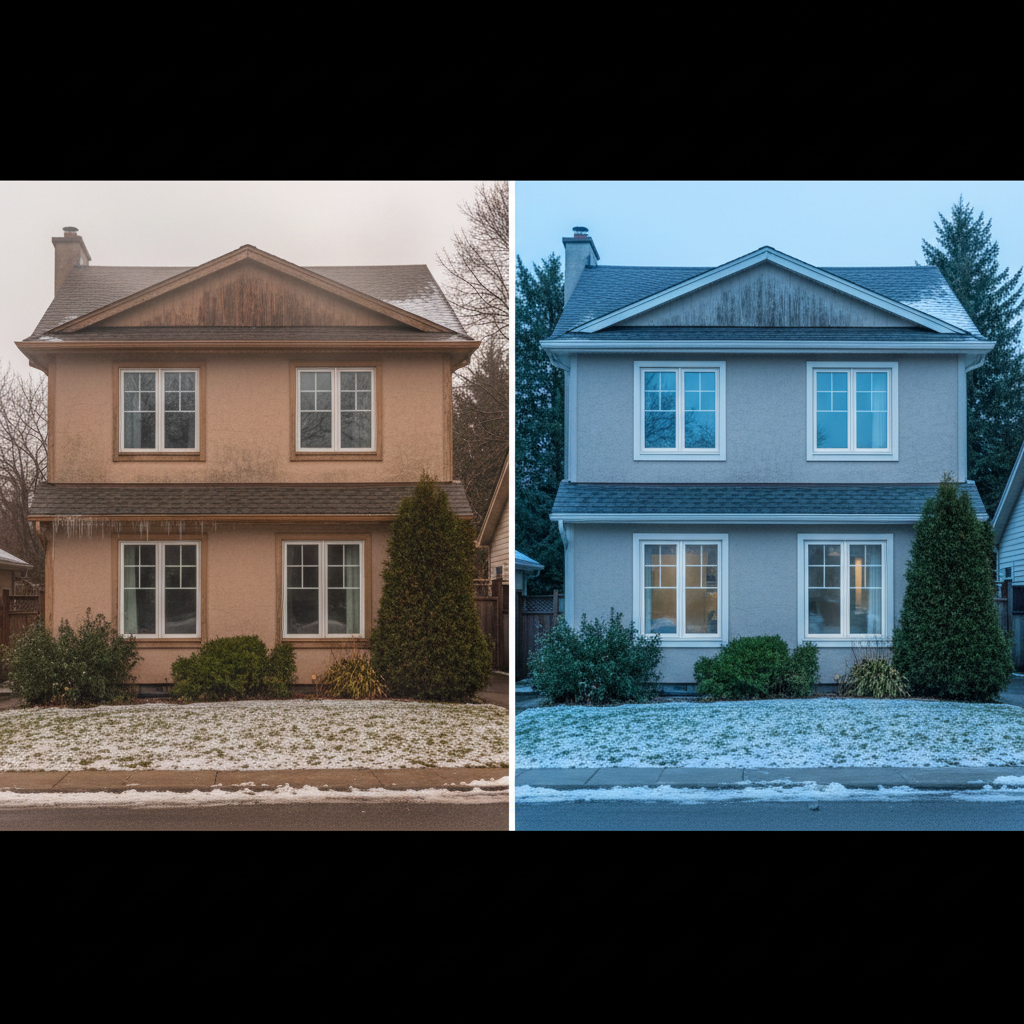
A report by the American Council for an Energy-Efficient Economy (ACEEE) highlights that replacing single-pane windows with double-pane, energy-efficient alternatives can save homeowners between $126 to $465 annually, depending on their geographical location. Furthermore, Energy Star-rated windows can reduce household energy use by up to 12%. As energy prices continue to rise, the financial benefits of replacing windows in your house become increasingly attractive, making it a prudent investment for long-term savings and sustainability.
Additionally, the environmental impact should not be overlooked. According to a study by the National Renewable Energy Laboratory (NREL), improving window efficiency can significantly lower carbon emissions related to heating and cooling. As we approach 2025, considering energy-efficient upgrades such as window replacements is not just beneficial for personal finances but also essential for a greener future.
Benefits of Upgrading to Energy-Efficient Windows for Homeowners
Upgrading to energy-efficient windows offers numerous benefits for homeowners looking to enhance their living environment while reducing energy costs. One of the most significant advantages is improved insulation. Energy-efficient windows are designed with advanced glazing technologies that minimize heat transfer, keeping homes warmer in the winter and cooler in the summer. This improved thermal performance translates directly into lower heating and cooling bills, allowing homeowners to save money over the long term.
In addition to cost savings, energy-efficient windows can also contribute to a home's overall comfort and aesthetic appeal. These windows often feature enhanced designs and materials that reduce condensation and glare, creating a more pleasant indoor atmosphere. Moreover, many homeowners find that upgraded windows can increase the market value of their property. As energy efficiency becomes a growing priority in homebuyers' decision-making processes, investing in energy-efficient windows can yield significant returns when it comes time to sell. Overall, the benefits of upgrading to energy-efficient windows extend beyond utility savings, positively impacting comfort, value, and sustainability.
Why You Should Replace Windows in Your House for Better Energy Efficiency
| Aspect |
Traditional Windows |
Energy-Efficient Windows |
| Material |
Single-pane glass |
Double or triple-pane glass |
| Energy Loss |
Up to 30% of heating and cooling |
As low as 10% of heating and cooling |
| UV Protection |
Limited |
Blocks up to 99% of UV rays |
| Noise Reduction |
Standard |
Enhanced noise reduction |
| Return on Investment (ROI) |
Lower home value |
Higher home value, approx. 70% ROI |
| State of the Art Features |
Basic features |
Smart technologies available |
Top 5 Window Technologies Enhancing Energy Performance in 2025
In 2025, homeowners seeking to boost energy efficiency will have access to advanced window technologies that significantly outperform traditional options. One standout innovation is triple glazing, which offers superior insulation by adding a third layer of glass, reducing heat transfer and noise pollution. According to the Energy Information Administration (EIA), homes equipped with triple-glazed windows can achieve up to 30% greater energy savings compared to those with single-pane windows.
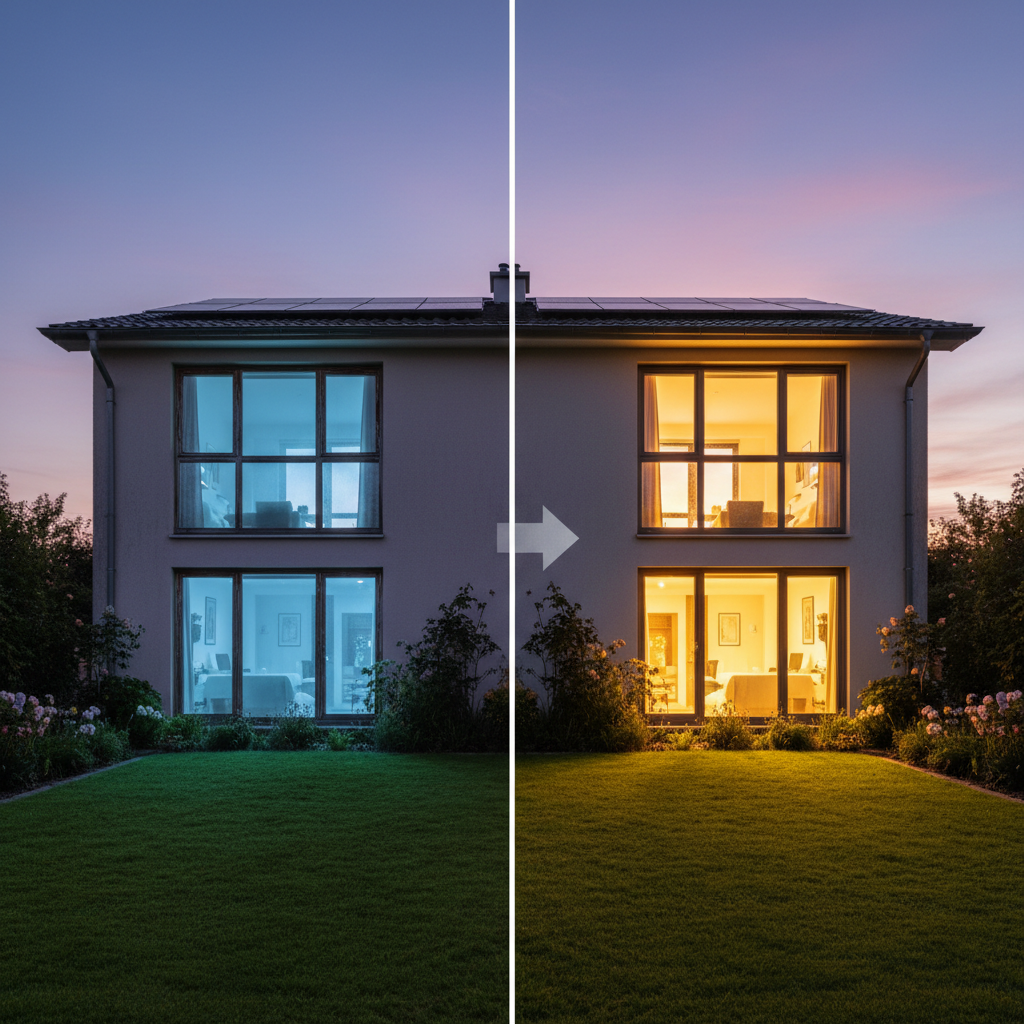
Another technology garnering attention is low-emissivity (Low-E) coatings. These microscopic layers reflect infrared radiation while allowing visible light to pass through, keeping homes warmer in the winter and cooler in the summer. A study by the Department of Energy highlights that Low-E windows can cut heating and cooling costs by up to 20% annually. Furthermore, smart windows featuring electrochromic glass technology provide homeowners with the ability to control light and heat entry with a simple command, enhancing comfort and reducing reliance on heating and cooling systems. As these technologies evolve, they're becoming integral to building designs focused on energy efficiency and sustainability in 2025 and beyond.
Cost Savings: Long-Term Financial Benefits of Replacing Old Windows
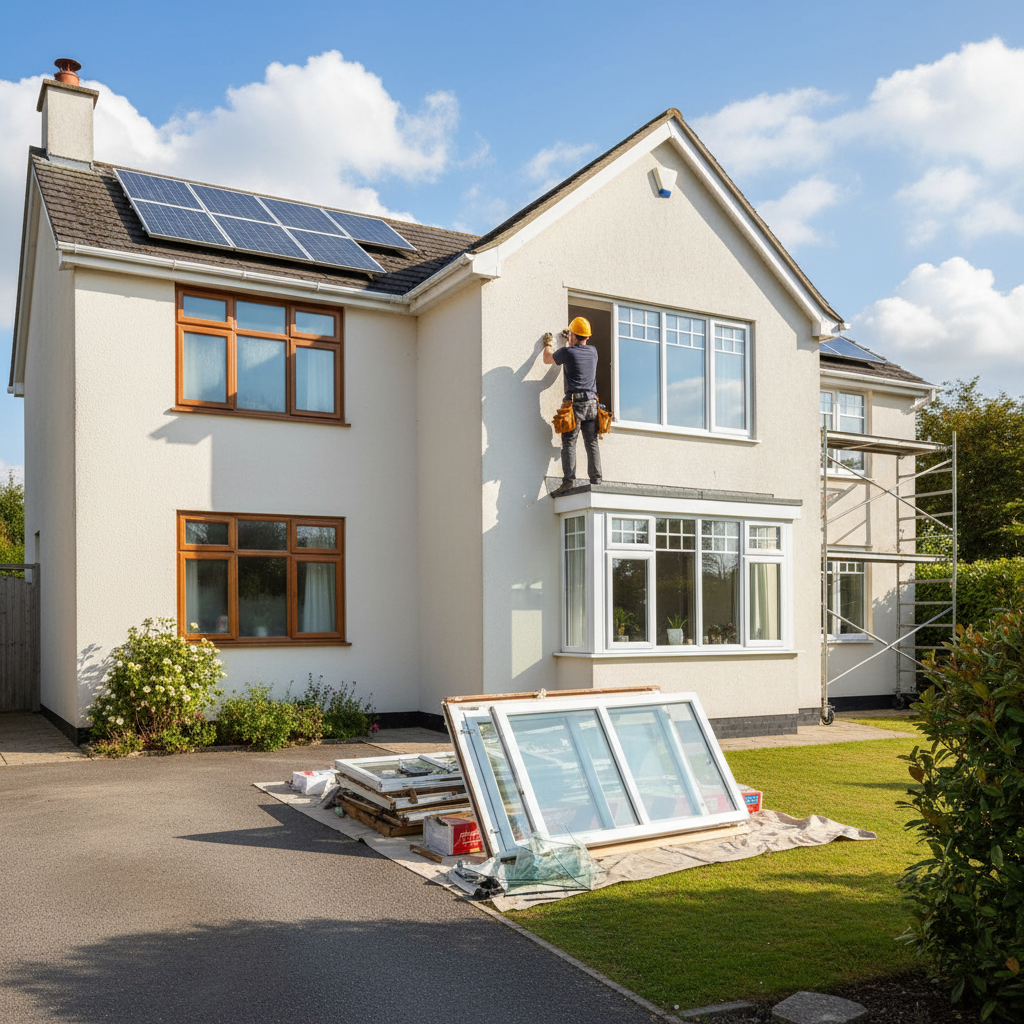
Replacing old windows can significantly benefit your finances in the long run. While the initial investment might seem daunting, new windows offer improved insulation, which reduces energy consumption and lowers utility bills. Over time, these savings can offset the replacement costs, making it a wise financial decision. Moreover, many modern windows come with warranty options that can reduce repair and replacement costs if issues arise.
**Tip:** When considering window replacement, look for Energy Star-rated products that meet strict energy efficiency guidelines. This can further maximize your savings by ensuring that you're investing in quality materials.
Additionally, new windows can increase the value of your home. Potential buyers often prioritize energy-efficient features, making your property more appealing in a competitive market. Enhanced curb appeal and a reduction in future maintenance costs with high-quality windows can lead to a profitable sale down the line.
**Tip:** Always get multiple quotes from reputable installers and inquire about available financing options. This can help you manage your budget effectively while ensuring you make the most informed decision possible.
Environmental Impact: Reducing Your Carbon Footprint with New Windows
Upgrading the windows in your home can have a significant positive impact on the environment, particularly when it comes to reducing your carbon footprint. Old, inefficient windows often allow for significant heat loss in the winter and excessive heat gain in the summer, leading to increased energy consumption for heating and cooling. By replacing them with modern, energy-efficient windows, you can greatly reduce the amount of energy required to maintain a comfortable indoor climate. This not only results in lower utility bills but also diminishes the greenhouse gas emissions associated with energy production.
Moreover, choosing high-performance windows that are designed to optimize natural light and insulation can further enhance your home's sustainability. Features such as low-emissivity coatings and argon-filled spaces minimize heat transfer, making your home more energy-efficient throughout the year. As more homeowners make the switch to energy-efficient windows, the collective environmental benefits increase, contributing to a reduction in fossil fuel dependency and helping combat climate change. Investing in new windows is not just about improving comfort; it’s a proactive step toward a greener future.
Impact of Window Replacement on Energy Efficiency
Replacing old windows with energy-efficient models can significantly reduce annual energy costs, resulting in lower utility bills and a smaller carbon footprint. The chart illustrates the cost savings associated with replacing single-pane and double-pane windows with new triple-pane windows.
Key Factors to Consider When Choosing Energy-Efficient Windows
When considering a window replacement for energy efficiency, several key factors come into play. The first aspect to evaluate is the window's frame material. Options like vinyl, fiberglass, and wood all come with different insulation properties. For example, vinyl frames provide excellent thermal resistance and require minimal maintenance, making them a popular choice for homeowners seeking energy-efficient solutions.
Another important factor is the type of glazing used in the windows. Double or triple glazing can significantly reduce heat loss and improve insulation, helping to keep your home warm in winter and cool in summer. Additionally, look for low-emissivity (Low-E) coatings that reflect heat back indoors during colder months while keeping unwanted solar heat out during warmer months.
**Tips:** When shopping for energy-efficient windows, always check for the ENERGY STAR label, which signifies a product meets strict energy efficiency guidelines. Additionally, consider buying windows that come with a comprehensive warranty for peace of mind. Lastly, consult with a professional to ensure proper installation, as even the best windows can underperform if not installed correctly.