How to Retrofit Windows for Energy Efficiency in 2026?
In 2026, the demand for energy efficiency in buildings is more critical than ever. According to recent reports by the U.S. Department of Energy, retrofitting windows can reduce heating and cooling costs by up to 30%. This statistic highlights the importance of upgrading older windows. Many homes still have single-pane windows, which offer inadequate insulation.
Homeowners increasingly seek retrofit windows as an effective solution. These windows are designed with advanced materials that enhance insulation and reduce energy loss. The National Renewable Energy Laboratory emphasizes that these upgrades can significantly lower carbon footprints and energy bills. Moreover, the initial investment in retrofit windows can lead to significant savings over time.
However, not all retrofit projects are straightforward. Challenges include selecting the right materials and ensuring proper installation. Homeowners must weigh costs versus benefits carefully. Adopting a retrofit strategy requires more than just financial planning; it demands a commitment to sustainability and innovation. As the world moves towards greener practices, understanding the benefits and challenges of retrofitting windows becomes essential for any building project.
Understanding Energy Efficiency Standards for Windows in 2026
In 2026, energy efficiency standards for windows will play a crucial role in construction and renovations. According to the U.S. Department of Energy, windows can account for 25% to 30% of residential heating and cooling energy use. Retrofitting windows to meet new efficiency standards can significantly reduce energy costs. It's essential to understand these standards to make informed decisions.
The upcoming regulations are expected to emphasize low U-factor ratings and reduced solar heat gain coefficients. These ratings gauge how well windows insulate from heat transfer and manage solar energy. Studies suggest that windows with a U-factor of 0.30 or lower are more efficient. Many homeowners may need to reassess their existing windows against these benchmarks. Retrofit options, like adding low-E coatings or insulated frames, often fall short in performance.
Many rely on outdated approaches, leading to missed opportunities for efficiency. For instance, single-pane windows are gradually becoming obsolete. Yet, some still hesitate to invest in triple-pane alternatives, which provide superior insulation. Addressing these gaps in knowledge is vital. Energy-efficient windows not only enhance comfort but can lead to substantial long-term savings. Understanding new standards will be key to sustainable home improvement strategies.
How to Retrofit Windows for Energy Efficiency in 2026?
| Window Type |
U-Factor (BTU/hr·ft²·°F) |
Solar Heat Gain Coefficient (SHGC) |
Visible Transmittance (VT) |
Estimated Energy Savings (%) |
| Double Pane |
0.30 |
0.30 |
0.70 |
20% |
| Triple Pane |
0.20 |
0.25 |
0.65 |
30% |
| Low-E Coated |
0.25 |
0.22 |
0.60 |
25% |
| Gas Filled |
0.17 |
0.18 |
0.58 |
35% |
Evaluating Existing Windows for Retrofit Potential
Evaluating existing windows for retrofit potential is essential for enhancing energy efficiency.
According to the U.S. Department of Energy, windows account for 25% to 30% of residential energy use. This figure emphasizes the importance of assessing windows before spending on retrofitting.
One critical aspect of evaluation is determining the window’s insulation value. Standard windows in older homes often have a U-factor greater than 0.35, indicating poor insulation.
Retrofitting can replace single-pane glass with insulated glazing. This change can improve energy retention. Furthermore, checking for air leaks is vital. Studies show that up to 20% of heating and cooling costs stem from air leaks around windows.
Visual inspections are crucial. Look for condensation between panes, which signals a seal failure.
If a window feels drafty, it may be time to consider upgrades. Homeowners should also be mindful of local climate conditions. In colder regions, energy-efficient upgrades might pay for themselves faster than in milder areas.
Retrofit potential may vary based on these factors, requiring careful consideration before proceeding.
Choosing the Right Retrofit Materials and Techniques
Retrofitting windows can dramatically improve energy efficiency. When selecting materials, think about insulation, sealing, and glazing. Low-emissivity (Low-E) films help regulate heat transfer. They reflect infrared light, keeping homes warm in winter and cool in summer. Look for options that suit your climate.
Sealing windows is crucial. Weatherstripping fills gaps, reducing drafts. Caulking can close cracks around frames. These methods enhance overall energy performance. Simple changes can lead to noticeable savings. Not all homes need the same approach; consider your specific needs.
Remember, not every technique will yield immediate results. It’s important to test different materials and monitor their effectiveness. Some might not perform well in your environment, leaving room for improvement. The goal is to find solutions that work for you, which may involve a few trials.
Installation Process for Energy-Efficient Window Retrofits
In 2026, retrofitting windows for energy efficiency can significantly cut energy costs. Studies indicate that around 30% of heating and cooling energy is lost through windows. Selecting the right materials and techniques is crucial for effective results. Using low-emissivity glass can reduce heat transfer, maintaining indoor temperature. This method is backed by the Department of Energy, which estimates that energy-efficient windows save homeowners up to $465 annually.
The installation process of energy-efficient windows requires precision. Start with evaluating the existing frames. Poorly sealed frames can negate new windows' benefits. Proper installation addresses air leaks. Professionals recommend using high-quality caulking and weatherstripping. A 2019 report by Ace Research showed that improper installation could decrease energy savings by 20%.
Attention to detail during installation is vital. Ensure the windows fit snugly, minimizing gaps. Educate yourself on insulation options for added efficiency. Some may overlook the importance of adequate insulation. It’s an area worth investigating, as proper insulation enhances performance. Balancing cost and quality often poses challenges. Consider seeking expert guidance throughout the process to maximize benefits.
Maintaining and Optimizing Energy-Efficient Windows Post-Retrofit
Retrofitting windows significantly enhances energy efficiency. Post-retrofit, maintenance becomes essential. Regular checks ensure seals remain intact. A study from the Department of Energy suggests that well-maintained windows can save homeowners 10-20% on energy bills annually. Consistent inspection can catch small issues before they escalate.
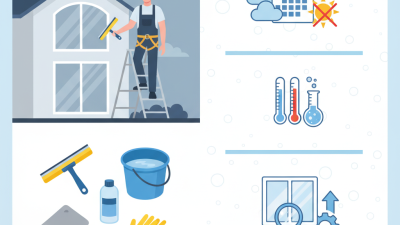
Optimizing energy-efficient windows involves cleaning and upkeep. Dirt and debris can hinder window performance. A report from the National Renewable Energy Laboratory indicates that cleaning windows twice a year can improve their efficiency significantly. Consider using non-toxic cleaners to protect seals and coatings. Also, replace worn-out weather stripping immediately.
Be mindful that not all retrofits yield efficiency gains. Some homeowners report minimal savings, suggesting potential installation errors. Proper installation is critical for energy performance. In certain cases, windows may not meet the energy standards due to local climate variations. Tracking energy use post-retrofit can provide insights into actual performance. Use energy monitoring tools to assess savings objectively.
Energy Efficiency Improvements Post-Retrofit (2026)