How to Retrofit Windows for Improved Energy Efficiency and Comfort
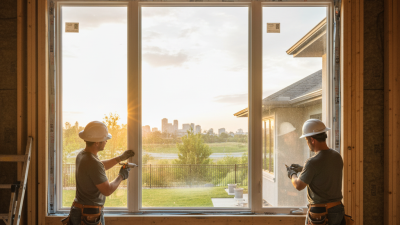
In an era where energy efficiency plays a vital role in sustainable living, homeowners are increasingly seeking solutions to enhance their living spaces without the need for complete renovations. One effective strategy is to retrofit windows, a process that can lead to significant improvements in energy efficiency, comfort, and overall home performance. Retrofitting windows involves upgrading existing windows with modern materials and techniques, allowing homeowners to benefit from enhanced insulation, reduced energy bills, and improved airflow while preserving the original character of their homes.
As energy costs continue to rise and environmental concerns become more pressing, the importance of making informed decisions about energy upgrades cannot be understated. Retrofitted windows can provide a cost-effective alternative to full window replacements, allowing for better thermal regulation and decreasing the reliance on heating and cooling systems. This not only leads to a more comfortable indoor environment but also contributes to lowering carbon footprints and conserving energy resources.
In this article, we will explore various methods to retrofit windows, highlighting the benefits of each approach and providing practical tips for homeowners eager to embrace energy-efficient upgrades. By understanding the options available for retrofitting windows, readers can make educated decisions to enhance their homes’ efficiency and comfort levels, ultimately leading to a healthier living space and more sustainable future.
Understanding the Importance of Window Retrofitting for Energy Efficiency
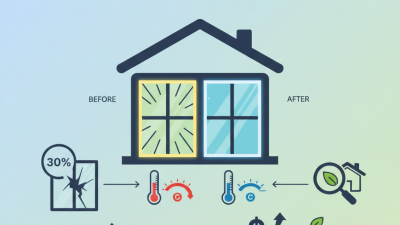
Window retrofitting is a crucial step toward enhancing energy efficiency in homes and commercial buildings. According to the U.S. Department of Energy, approximately 25-30% of a building's heating and cooling energy is lost through its windows. This statistic underscores the importance of upgrading outdated windows to more energy-efficient alternatives. When windows are retrofitted correctly, they can significantly reduce energy costs and improve indoor comfort by minimizing drafts and temperature fluctuations.
Tips for effective window retrofitting include using low-emissivity (low-E) window films and installing insulating blinds or shades. Low-E films can reflect heat back into the room during winter and keep it out during summer, leading to substantial energy savings. Additionally, sealing any gaps around windows with weatherstripping or caulking can prevent air leaks, ensuring that heated or cooled air stays inside where it belongs. The National Renewable Energy Laboratory reports that proper sealing and insulation can improve a building's overall energy efficiency by up to 20%.
To maximize comfort alongside energy savings, consider adding storm windows, which create an extra layer of insulation. This addition can decrease noise pollution and reduce condensation on window surfaces. Homeowners and building managers should assess their current window systems and explore retrofitting options that align with energy efficiency goals, taking advantage of available tax incentives or rebates that many municipalities offer for such upgrades.
Assessing Your Current Windows: Signs They Need Retrofitting
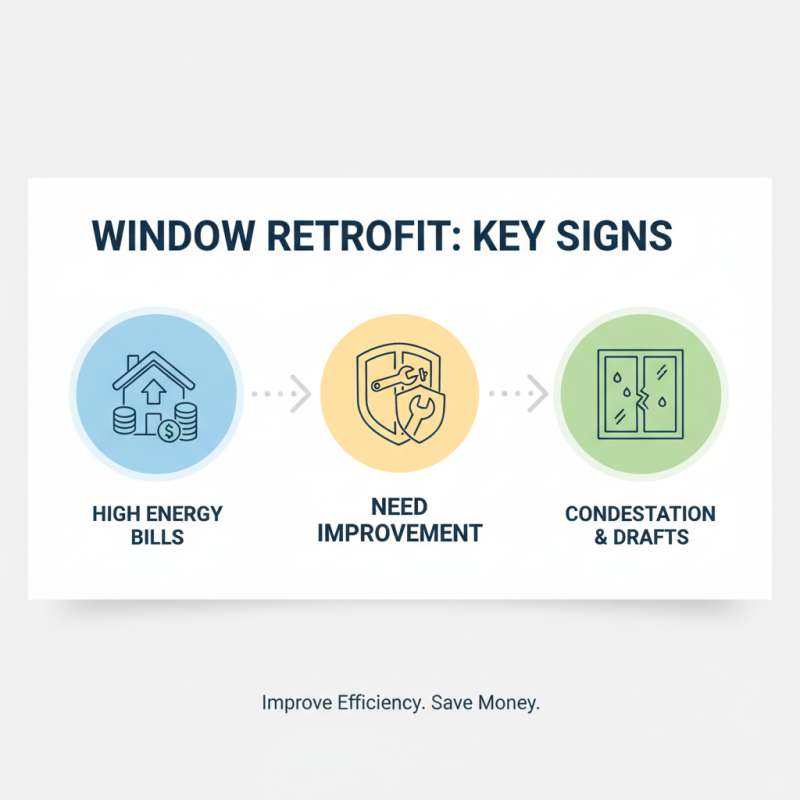
When assessing your current windows for potential retrofitting, it's crucial to recognize several key signs that indicate they may need improvement. One of the most obvious indicators is heightened energy bills. If you notice a consistent increase in your heating and cooling costs, it may be due to drafts or inadequate insulation around your windows. Additionally, check for physical signs such as condensation on the glass, which can suggest a failure in the window seal, leading to increased heat loss or gain.
Another important aspect to evaluate is the comfort of your living spaces. If certain rooms feel significantly warmer in the summer or chillier in the winter compared to others, it could pinpoint problematic windows. Moreover, examine the overall condition of the window frames. Cracks, warping, or peeling paint not only detract from the aesthetic appeal but may also compromise the window’s effectiveness in blocking outside elements. By recognizing these signs early, homeowners can make informed decisions about retrofitting their windows, enhancing both energy efficiency and comfort in their homes.
Choosing the Right Retrofit Materials and Techniques
When retrofitting windows for improved energy efficiency, selecting the right materials and techniques is crucial to maximizing benefits. Studies indicate that nearly 30% of a home's heating and cooling energy can be lost through windows, making proper retrofitting essential. Double or triple glazing can significantly reduce this energy loss. Low-E coatings on glass can further enhance insulation properties, reflecting heat back into the home during winter and keeping it cool in summer. According to the U.S. Department of Energy, energy-efficient windows can save homeowners between $126 to $465 annually, depending on geographic location and existing window conditions.
When considering materials for your retrofit, look for those that offer insulation without compromising aesthetics. Foam insulation or weather stripping can enhance the thermal barrier between window frames and walls, while also preventing drafts. Additionally, using UV-resistant films can protect your interiors from sun damage and help maintain indoor comfort.
Tips: Ensure that the chosen materials are compatible with your existing window structure. It's vital to consult with energy efficiency guidelines specific to your region to maximize the retrofit’s effectiveness. For those on a budget, consider strategic DIY upgrades like caulking and sealing gaps, which are straightforward and cost-effective solutions for enhancing energy performance.
How to Retrofit Windows for Improved Energy Efficiency and Comfort - Choosing the Right Retrofit Materials and Techniques
| Material/Technique |
Description |
Energy Efficiency Rating |
Cost Range ($) |
Installation Ease |
| Low-E Coatings |
Glass coating that reflects heat |
Up to 30% better than standard glass |
150 - 300 |
Moderate |
| Weather Stripping |
Seals gaps around windows |
Reduces drafts, improves comfort |
50 - 200 |
Easy |
| Insulated Frames |
Frames with thermal insulation properties |
Improves overall U-factor |
200 - 600 |
Moderate |
| Triple-Pane Glass |
Three layers of glass for superior insulation |
Best thermal performance |
500 - 1200 |
Difficult |
| Window Film |
Thin films that can be applied to existing glass |
Reduces heat gain and glare |
100 - 300 |
Easy |
Step-by-Step Guide to Retrofitting Windows for Optimal Performance
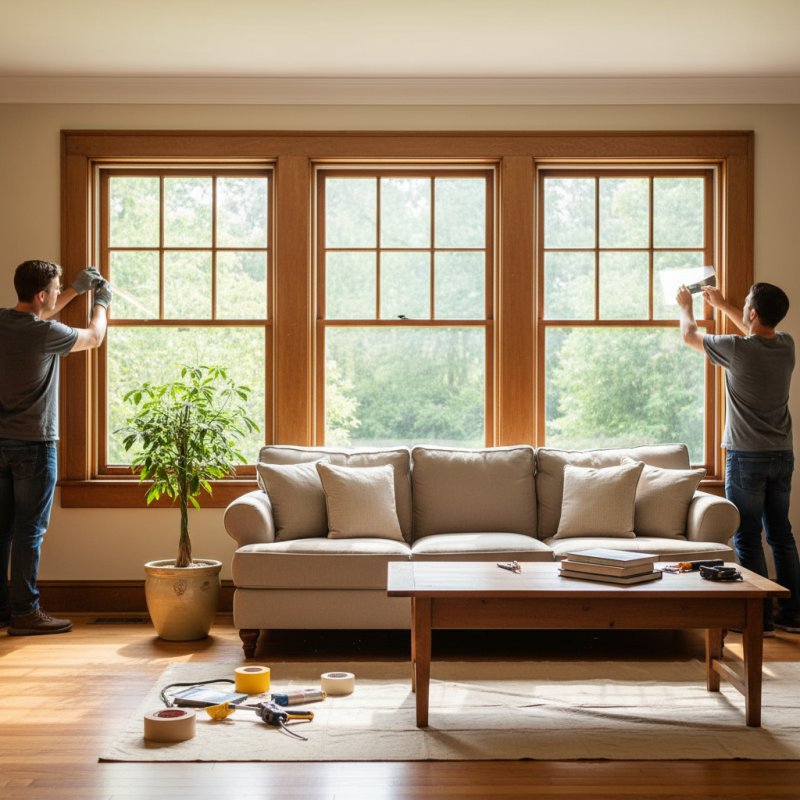
Retrofitting windows is a practical way to enhance energy efficiency and comfort within your home. The first step in this process involves assessing your current windows. Look for signs of wear, drafts, and moisture buildup. A thorough inspection will help you determine whether replacement units or simple upgrades will suffice. If your existing windows are in decent shape, applying weatherstripping or caulking can significantly reduce air leaks. This meticulous sealing helps to maintain a consistent indoor climate, ultimately reducing heating and cooling costs.
Once you've ensured your windows are well-sealed, consider adding window insulation film, which can provide extra layers of protection against drafts and heat loss. Alternatively, interior storm windows can be installed to improve insulation without necessitating full window replacement. For an even more effective upgrade, you can explore adding cellular shades or reflective films that help regulate indoor temperatures by either blocking excess heat or trapping warmth during colder months. By following these steps, you can maximize your windows' performance and create a more comfortable living environment while also saving on energy bills.
Energy Efficiency Improvement After Window Retrofitting
This chart illustrates the percentage improvement in energy efficiency across different types of windows after retrofitting. It highlights how upgrading single-pane, double-pane, and low-E windows can significantly enhance thermal performance.
Maintaining and Upgrading Retrofitted Windows for Longevity and Comfort
Maintaining and upgrading retrofitted windows is crucial for ensuring longevity and continued comfort in your home.
According to the U.S. Department of Energy, windows account for 10-25% of a building's heating and cooling energy use.
Regular maintenance, such as resealing and weatherstripping, can significantly enhance energy efficiency. In fact, well-maintained windows can reduce energy bills by up to 25%, making it essential for homeowners to conduct annual inspections.
This can include checking for cracks, ensuring that the seals and caulking are intact, and cleaning the window tracks and frames to prevent moisture buildup.
Upgrading retrofitted windows with modern glazing technologies can also result in improved performance. The National Fenestration Rating Council (NFRC) reports that low-emissivity (low-E) coatings can decrease energy loss by up to 30%.
Additionally, installing insulating window treatments can further reduce thermal transfer. Investing in these upgrades not only enhances comfort by maintaining consistent indoor temperatures but also prolongs the lifespan of the windows themselves.
Properly maintained windows with the latest technology contribute to a healthier living environment while providing significant cost savings over time.