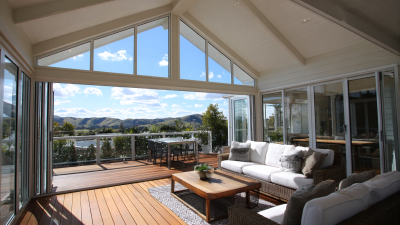
Top Tips for Choosing Fiberglass Windows for Your Home?
Choosing the right windows for your home is crucial. Fiberglass windows offer unique benefits that can enhance your living space. They combine strength, energy efficiency, and aesthetic appeal, making them a popular choice among homeowners.
When considering fiberglass windows, it's important to assess their durability. These windows withstand harsh weather conditions better than many alternatives. They are also less prone to warping or cracking. This makes them a long-term investment that can save you money on replacements.
However, there's more to the decision process than durability. The style and design of fiberglass windows can greatly affect your home's curb appeal. Not all options will fit every home style. It's essential to reflect on your home's architecture when selecting. Some homeowners may overlook this, focusing only on material benefits. Therefore, take the time to evaluate all aspects before making your final choice.
Understanding Fiberglass Windows: Benefits and Features
Fiberglass windows have become increasingly popular due to their unique advantages. They are known for their energy efficiency. According to the U.S. Department of Energy, well-insulated fiberglass windows can reduce energy costs by up to 15%. This significant reduction makes them an attractive option for homeowners looking to lower their utility bills.
In addition to energy efficiency, fiberglass windows offer durability and strength. Unlike vinyl or wood, fiberglass is resistant to warping and cracking. A study by the National Association of Home Builders highlighted that fiberglass windows maintain their structural integrity across various climates. However, it's essential to recognize that while they are durable, installation quality matters greatly. Poor installation can lead to issues like air leaks, negating the benefits of energy efficiency.
Cost is another consideration. Fiberglass windows tend to have a higher initial price compared to other materials. The average cost can range between $300 to $1,000 per window. However, their long lifespan and low maintenance can offset this initial expense over time. Homeowners should weigh these factors carefully. Investing in quality does pay off, but evaluating budget constraints is vital. Overall, fiberglass windows present a strong option for energy-conscious and durability-focused homeowners.
Key Factors to Consider When Selecting Fiberglass Windows
When selecting fiberglass windows for your home, several key factors come into play. One notable aspect is energy efficiency. According to the U.S. Department of Energy, high-quality fiberglass windows can reduce energy consumption by up to 15%. This statistic underscores the importance of looking for windows with good insulation and low U-values. The right choice can lead to significant savings on energy bills.
Durability is another critical factor. Fiberglass reacts well to temperature fluctuations and is less prone to warping compared to other materials. A report from the American Architectural Manufacturers Association states that fiberglass windows can last over 50 years with proper maintenance. This longevity makes fiberglass a reliable choice for homeowners.
Consider aesthetics as well. While durability and efficiency are paramount, the visual appeal of fiberglass windows matters. Many options come in various colors and finishes that suit different architectural styles. When evaluating options, gather samples and visualize how they integrate with your home.
Lastly, pay attention to warranties. A strong warranty can indicate a manufacturer's confidence in their product. Look for warranties that cover not just the frame but also components like glass and seals. These details enhance trust in your purchase decision.
Comparing Energy Efficiency Ratings of Fiberglass vs. Other Materials
Fiberglass windows are known for their
energy efficiency, but how do they compare to other materials?
When considering energy efficiency ratings, fiberglass generally outperforms wood and vinyl.
This is largely due to the inherent insulating properties of fiberglass. It can significantly reduce heat loss and help maintain a stable indoor temperature.
Energy efficiency ratings are crucial in making your decision. Look for windows with high R-values, which indicate excellent insulation.
When comparing materials, note that fiberglass minimizes thermal bridging better than most alternatives. This means
reduced drafts and lower energy bills. However, not every fiberglass window is created equal. Always check for certifications such as
ENERGY STAR to ensure quality.
Tip: When shopping for windows, focus on the U-factor. This measures how well a window insulates against heat loss.
A lower U-factor means better insulation. Also, consider the frame color; darker colors can absorb heat but may increase heat inside
during summer. It's essential to assess your home's climate and comfort needs carefully. Reflect on how window performance impacts
your living space, as sometimes aesthetics can overshadow practicality.
Cost Analysis: Initial Investment vs. Long-Term Savings on Fiberglass Windows
Fiberglass windows are gaining popularity for their durability and energy efficiency. When considering your options, a thorough cost analysis is essential. The initial investment for fiberglass windows may be higher than other materials. However, it is crucial to evaluate long-term savings. They often outperform wood and vinyl in energy efficiency, leading to reduced utility bills over time.
One key factor involves maintenance costs. Unlike traditional materials, fiberglass requires minimal upkeep. You'll spend less on repairs and replacements. Think about the climate in your region as well. In harsh weather, fiberglass withstands extreme temperatures and prevents warping or rotting. This material often has a longer lifespan, adding to its cost-effectiveness.
You may encounter challenges in finding reliable contractors for installation, which can impact costs. Investing time in researching skilled professionals helps ensure proper installation. Incorrect setup can lead to drafts and increased energy use. Make sure to ask questions and verify credentials when considering your options. Overall, weighing the initial costs against future savings can lead to a more informed decision.
Cost Analysis of Fiberglass Windows vs. Other Materials
Maintenance Requirements and Longevity of Fiberglass Window Systems
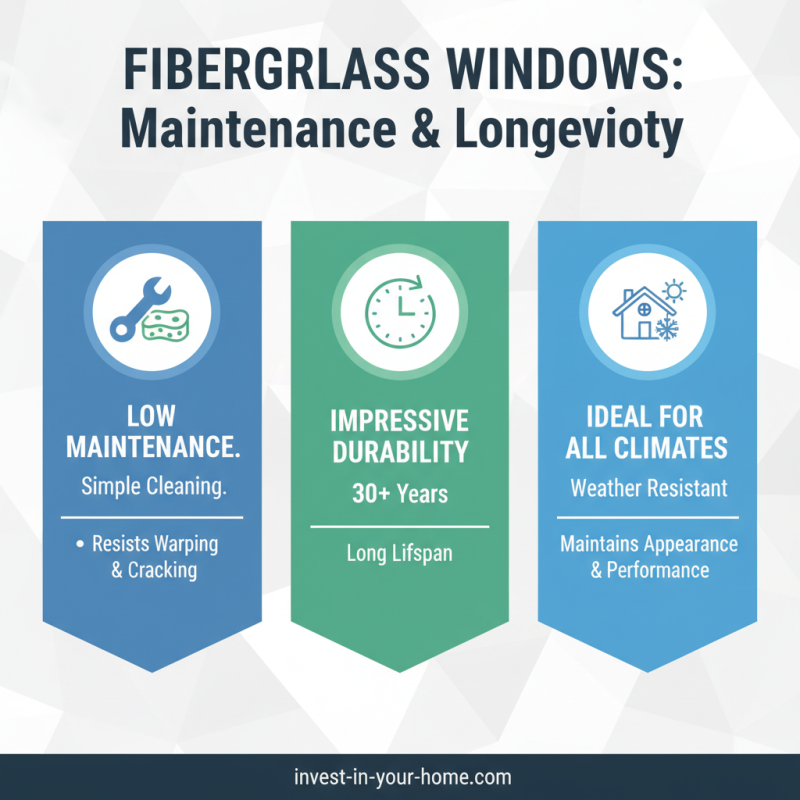
When considering fiberglass windows for your home, it’s crucial to understand their maintenance requirements and longevity. Fiberglass windows offer impressive durability, often lasting over 30 years with proper care. They resist warping and cracking, making them ideal for various climates. Regular cleaning can help maintain their appearance and performance.
One tip is to inspect the seals regularly. Small issues can lead to bigger problems. Check for condensation between glass panes, indicating seal failure. This maintenance can prevent heat loss and save energy. Another important aspect is to clean the frames with mild soap and water, avoiding harsh chemicals to maintain their finish.
Fiberglass windows are designed for low maintenance. However, neglecting small repairs can shorten their lifespan. Periodically repainting or resealing can prevent wear. It’s wise to stay proactive rather than reactive. Addressing concerns early on will help you enjoy your fiberglass windows for years to come.