Essential Tips for Choosing Windows for Your House to Enhance Comfort and Value
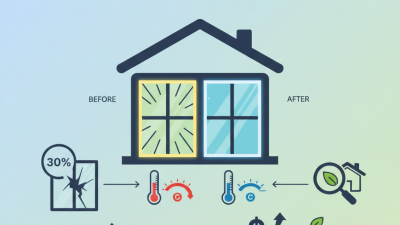
Choosing the right windows for your house is a crucial decision that impacts both comfort and property value. According to a report by the National Association of Realtors, over 76% of homeowners believe that quality windows enhance the overall appeal of their homes and can lead to a significant return on investment. With energy efficiency becoming an increasingly important factor in homeownership, investing in windows that provide better insulation can potentially lower energy bills by up to 30%, as highlighted in the Energy Star report on residential energy consumption.
Experts in the field, such as Thomas J. Anderson, a renowned window consultant, emphasize the importance of quality selection. He once stated, "The right windows for my house not only ensure comfort and durability but also serve as a sound investment for the future." As you consider the options available, understanding the various styles, materials, and technologies can help you make an informed choice that enhances the aesthetic and functional appeal of your living space. Ultimately, the decision on which windows to choose will have long-lasting implications on your home’s performance and comfort level.

Understanding the Types of Windows: Pros and Cons Explained
When selecting windows for your home, it’s important to understand the various types available, as each comes with its own set of advantages and disadvantages. One common option is double-hung windows, which feature two sashes that move up and down. These windows are easy to clean and provide good ventilation. However, they may not be the best choice for climates with extreme weather, as they can be less energy-efficient compared to other designs.
Casement windows, which are hinged at the side and open outward, offer an excellent seal against air leaks, making them a great choice for energy efficiency. They allow for unobstructed views and ample ventilation when opened. On the downside, operating them can be inconvenient in areas with walkways or obstructions directly below, and they may also require more maintenance because the hinges can degrade over time. By understanding the pros and cons of different window types, homeowners can make more informed decisions that enhance comfort and add value to their property.
Key Factors to Consider When Choosing Windows for Energy Efficiency
When choosing windows for your house, energy efficiency should be a top priority to enhance both comfort and value. Different types of windows offer varying degrees of thermal insulation, contributing to your home’s overall energy performance. Look for windows with a high Energy Star rating, as these products are designed to minimize heat loss in winter and keep unwanted heat out in summer. Additionally, consider double or triple glazing, which adds extra layers of insulation, further reducing your heating and cooling costs.
Another key factor to consider is the frame material. Different materials, such as vinyl, wood, and fiberglass, provide different levels of insulation. Vinyl frames, for example, are known for their low thermal conductivity and are a cost-effective option for energy efficiency. Insulated frames can significantly reduce heat transfer, ensuring that your home remains comfortable year-round.
When selecting window treatments, consider options that promote energy efficiency. Using thermal curtains can help reduce drafts and keep your indoor spaces at a more stable temperature. Additionally, window films or shades can be effective in blocking solar heat gain, especially during the hotter months. By thoughtfully choosing your windows and their treatments, you’ll create a more comfortable living environment while enhancing your home’s value.
Design and Aesthetics: Matching Windows with Your Home’s Style
When it comes to choosing windows for your home,
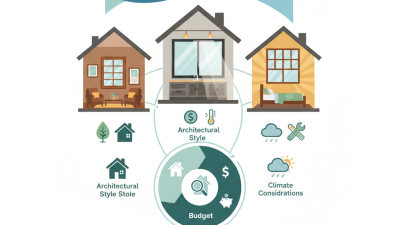
design and aesthetics play a pivotal role in creating a cohesive look that complements your overall architecture.
The windows you select should reflect the style of your house, whether it’s traditional, modern, or somewhere in between.
For instance, classic double-hung windows may suit a Victorian or Colonial-style home,
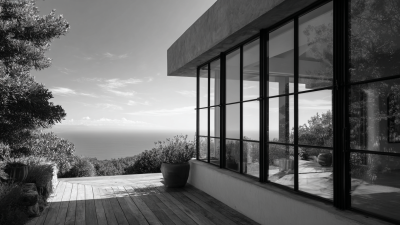
while sleek, large-frame windows can enhance the contemporary feel of modern designs.
Paying attention to architectural details such as colors, finishes, and grid patterns can further unify your exterior,
making the windows feel like an integral part of your home rather than just functional openings.
Moreover, the material of the windows can significantly affect the aesthetic appeal.
Wood frames offer a warm, timeless look perfect for rustic or traditional homes,
while vinyl or aluminum can provide a sleek, minimalist appearance suitable for modern settings.
Also, consider how the window styles interact with other elements of your house, such as doors and exterior siding.
Choosing the right windows not only enhances the visual charm of your home
but can also increase its value by making it more attractive to potential buyers in the future.
Ultimately, the selection of windows should reflect your personal taste while harmonizing with the architectural style of your house,
creating a beautiful and inviting atmosphere.
Budgeting for Window Installation: Costs and Financing Options
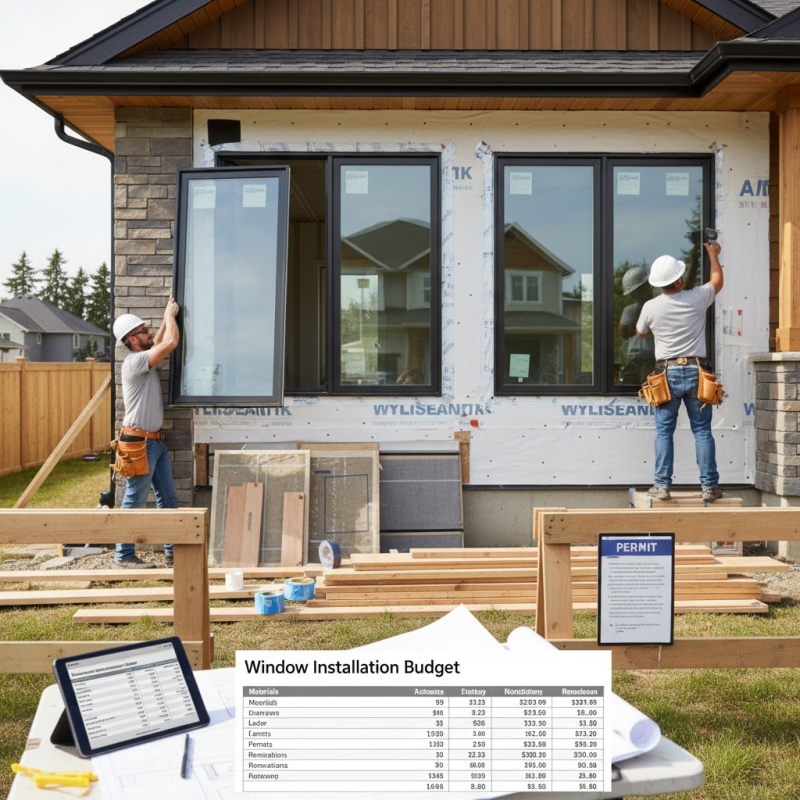
When budgeting for window installation, it is crucial to have a clear understanding of the costs involved. The price of new windows can vary significantly based on factors like material, style, size, and energy efficiency ratings. Homeowners should prepare for not only the purchase cost of the windows but also any associated expenses such as labor, permits, and necessary renovations. To obtain the best value, consider obtaining multiple quotes from contractors, which can help identify reasonable pricing and potential savings.
Financing options are an important aspect of managing the costs associated with window installation. Many homeowners may not have the upfront capital to cover the entire expense, so exploring financing methods can ease the financial burden. Options can include personal loans, home equity lines of credit, or specialized financing programs offered by contractors. Additionally, some local governments or energy companies provide incentives or rebates for installing energy-efficient windows, which can significantly offset costs. Evaluating these opportunities can not only make the installation more affordable but also enhance the home’s overall value and comfort in the long run.
Maintenance and Longevity: Ensuring Your Windows Last for Years
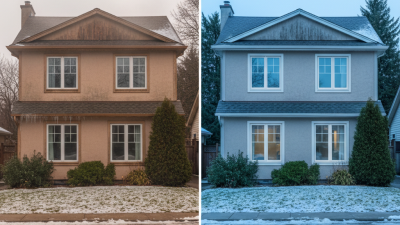
When investing in windows for your home, maintenance and longevity should be central to your decision-making process. High-quality windows, when properly maintained, can significantly enhance your home’s energy efficiency and aesthetic appeal over the years. Regular inspections are crucial; look for any signs of wear, such as cracks in the frame or condensation between the panes. Addressing minor issues promptly can prevent more extensive damage, ensuring your windows continue to function optimally.
Additionally, the materials used in window frames play a significant role in their lifespan. For instance, materials like vinyl and fiberglass offer excellent durability with minimal upkeep compared to wood, which may require periodic repainting and sealing. Incorporating protective features, such as UV-resistant coatings and weatherstripping, will further extend the life of your windows while improving their performance. Setting a routine maintenance schedule not only helps in preserving their integrity but also boosts the overall value of your home. With a little effort, you can ensure your windows remain a valuable asset for years to come.
Window Choices Impact on Comfort and Value