2025 Top 10 Benefits of Fiberglass Windows for Your Home Upgrade
As homeowners increasingly seek sustainable and durable options for upgrades, fiberglass windows have emerged as a top contender in the home improvement market. According to a report by the U.S. Department of Energy, windows account for approximately 25-30% of residential heating and cooling energy use, making energy-efficient window choices paramount. Fiberglass windows not only offer superior insulation properties, but they are also resistant to warping, rotting, and fading, which significantly enhances their longevity and performance compared to traditional materials like vinyl and wood.
The increasing popularity of fiberglass windows can be attributed to their outstanding thermal performance and lower lifetime maintenance costs. The Fiberglass Window and Door Manufacturers Association (FWDMA) indicates that fiberglass frames can lead to up to a 10% reduction in energy bills, providing a compelling return on investment. As consumers prioritize energy efficiency and sustainability, the growth in the fiberglass window market is set to continue, with estimates suggesting it will expand by over 15% by 2025. This trend not only reflects changing homeowner preferences but also underscores the benefits of incorporating fiberglass windows into modern home designs for both aesthetic appeal and energy savings.
Advantages of Fiberglass Windows in Energy Efficiency and Savings
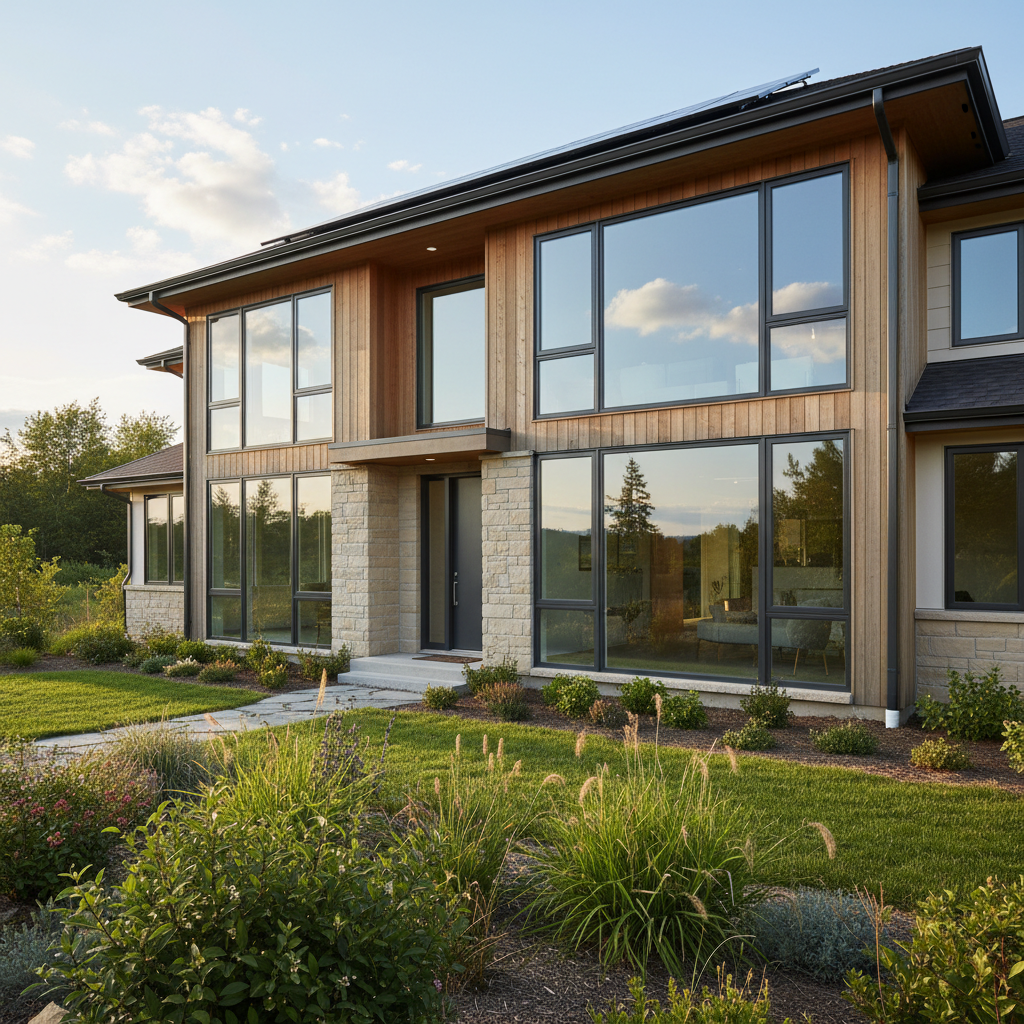
Fiberglass windows are rapidly gaining popularity among homeowners looking to enhance energy efficiency and reduce costs. One of the prominent advantages of these windows is their exceptional thermal insulation properties. Fiberglass frames possess a significant ability to resist temperature fluctuations, thereby minimizing heat transfer between the interior and exterior of a home. This means that during hot summers or cold winters, homeowners can rely on their HVAC systems to work less, leading to substantial savings on energy bills.
Moreover, fiberglass windows have a low thermal expansion rate, which reduces the risk of warping or cracking over time. This durability not only contributes to longevity but also enhances the windows' ability to maintain a tight seal against drafts. By effectively keeping conditioned air inside, fiberglass windows improve a home’s overall energy performance. Additionally, the energy-efficient design often qualifies for various rebates and incentives, further promoting financial benefits for homeowners.
As energy costs continue to rise, investing in fiberglass windows presents a strategic move towards achieving greater energy savings while ensuring homeowners enjoy a comfortable living environment year-round.
Durability: How Fiberglass Windows Stand the Test of Time
Fiberglass windows are increasingly becoming a top choice for homeowners looking to upgrade their residences due to their impressive durability. Unlike traditional wooden windows, fiberglass windows are engineered to withstand extreme weather conditions, making them resistant to warping, cracking, and fading over time. This durability ensures that homeowners won’t have to replace their windows nearly as frequently, providing a long-term solution that can last well beyond the typical 15 to 20-year lifespan of most windows.
Moreover, fiberglass windows excel in thermal performance, helping to maintain a stable indoor environment regardless of the external climate. Their insulating properties contribute to lower energy bills by reducing the need for heating and cooling. Tests have shown that modern fiberglass products can outperform other materials in resisting wind and rain, reinforcing their reputation as a trusted option for homeowners. By investing in fiberglass windows, homeowners not only enhance the aesthetic appeal of their spaces but also gain peace of mind knowing their investment is built to last.
Aesthetic Appeal: Enhancing Home Design with Fiberglass Windows
Fiberglass windows have emerged as a popular choice among homeowners looking to enhance their home design while reaping the benefits of energy efficiency and durability. According to a recent report by the American Architectural Manufacturers Association (AAMA), windows made from fiberglass can achieve up to 15% higher energy efficiency compared to traditional materials like vinyl and wood. This not only lowers energy costs but also contributes to a more environmentally friendly home, an aspect that increasingly appeals to modern buyers.
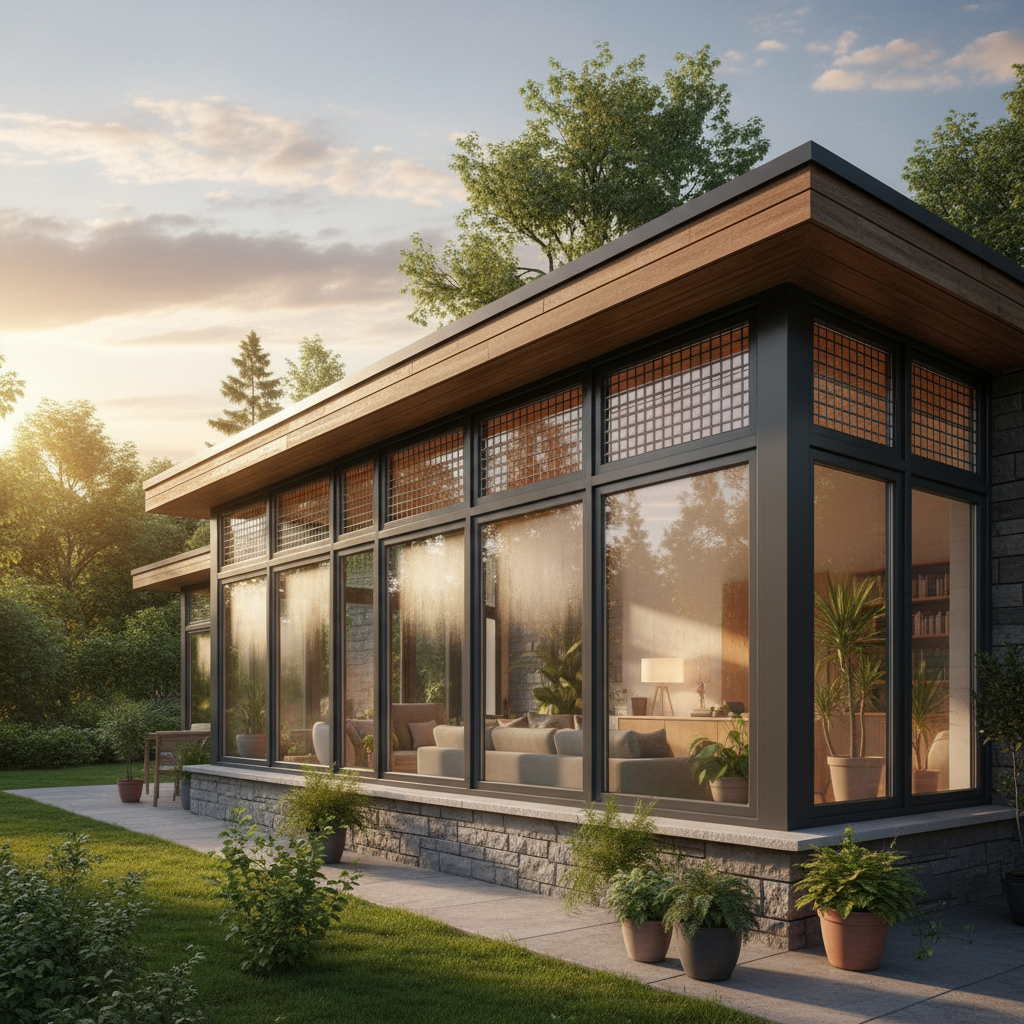
From an aesthetic standpoint, fiberglass windows offer a sleek and versatile design that can complement a variety of architectural styles. With options for both bold colors and customizable finishes, fiberglass provides homeowners with the flexibility to create a unique look that aligns with their design vision. A study by the Window & Door Manufacturers Association (WDMA) highlights that homes with fiberglass windows retain higher resale values, making them an aesthetically and financially sound investment. Thus, choosing fiberglass windows not only enhances the visual appeal of a home but also supports its marketability in an ever-competitive real estate landscape.
Maintenance Made Easy: The Low-Upkeep Benefits of Fiberglass
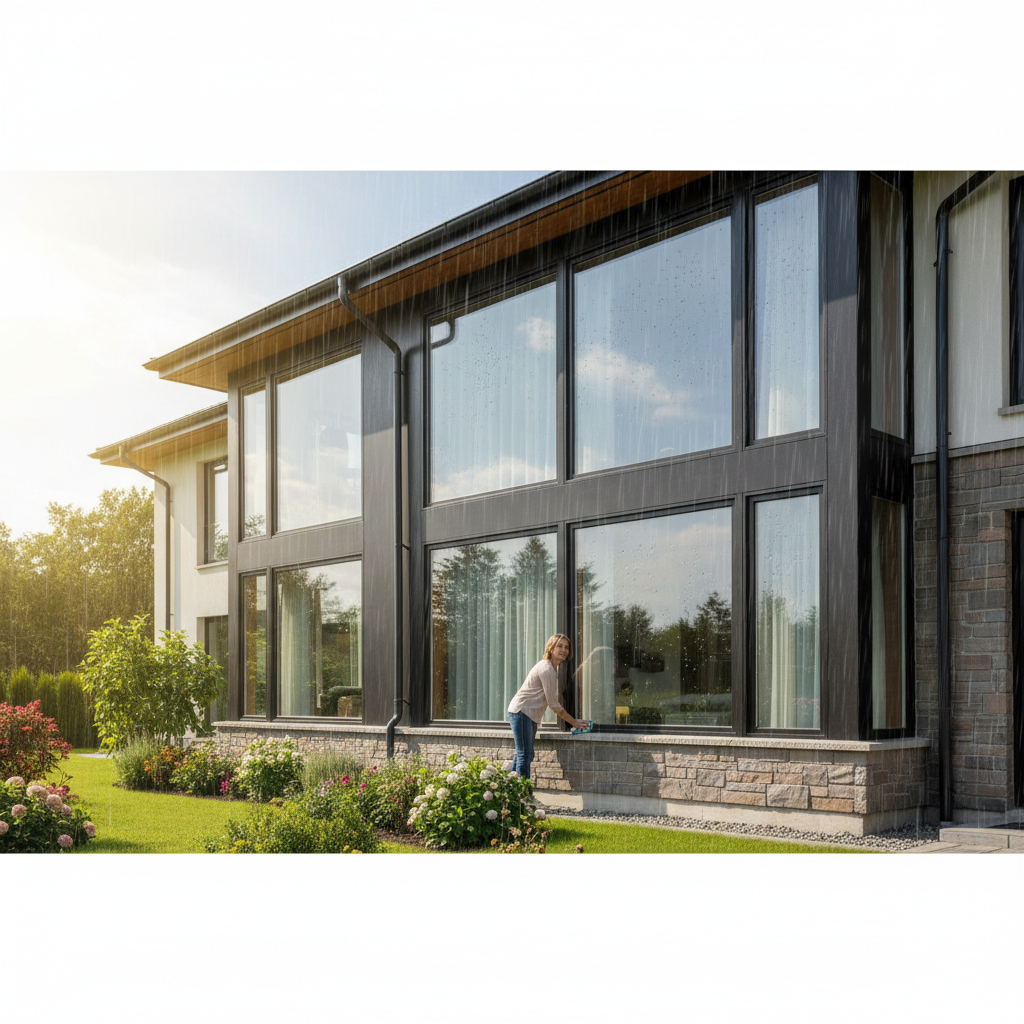
Fiberglass windows are rapidly becoming a popular choice for homeowners looking to upgrade their properties, and one of their standout features is their low upkeep requirements. Unlike traditional wood windows that demand regular painting, staining, and sealing, fiberglass windows are engineered for durability and longevity. According to the American Architectural Manufacturers Association (AAMA), fiberglass frames can withstand extreme weather conditions without warping or rotting, making them an ideal low-maintenance option for various climates. This means homeowners can enjoy peace of mind knowing that these windows won’t require frequent repairs or replacements.
In addition to their resilience, fiberglass windows are also energy-efficient, which contributes to reduced energy costs and lower maintenance expenses over time. The National Fenestration Rating Council (NFRC) reports that fiberglass windows provide superior insulation compared to wood or vinyl alternatives, helping to maintain consistent indoor temperatures. This energy efficiency not only translates to lower utility bills but also less strain on heating and cooling systems, ultimately leading to fewer maintenance needs for those systems as well. Thus, investing in fiberglass windows not only enhances the aesthetic appeal of a home but also simplifies ongoing home maintenance.
Eco-Friendly Choice: Sustainability of Fiberglass Window Materials
Fiberglass windows are rapidly gaining popularity among homeowners, not only for their durability and aesthetic appeal but also for their eco-friendly properties. Made from a combination of glass fibers and resin, fiberglass windows are inherently sustainable. They outperform traditional materials like vinyl and wood in energy efficiency, reducing the carbon footprint of your home. As these windows help maintain optimal indoor temperatures, residents can rely less on heating and cooling systems, which translates into lower energy consumption and cost savings.
When considering an upgrade, here are a few tips for selecting fiberglass windows. First, look for products that are certified by energy-efficient labeling programs, ensuring that your windows meet high standards for performance. Additionally, consider manufacturers that use recycled materials in their production processes, enhancing the sustainability of your choice. Lastly, don't underestimate the importance of proper installation; it plays a crucial role in maximizing the energy-saving benefits of fiberglass windows.
By opting for fiberglass windows, homeowners can enjoy a chic, modern look while contributing to a more sustainable environment. This choice not only reduces reliance on non-renewable resources but also supports a trend towards greener building practices that prioritize the planet's health.