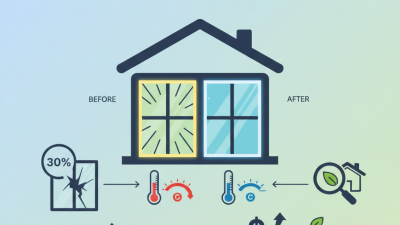
In 2026, many homeowners are considering window financing as a viable option for upgrading their homes. With energy efficiency becoming a top priority, homeowners are intrigued by financing methods that ease the financial burden. According to the National Association of Realtors, over 65% of homeowners plan to invest in home improvements this year. Windows account for a significant portion of energy loss, making financing solutions more appealing.
Window financing offers homeowners flexibility. Many programs allow low monthly payments, ensuring that upgrading windows is affordable for various budgets. A recent study by the U.S. Department of Energy disclosed that energy-efficient windows can save homeowners up to $500 annually on energy bills. However, it is essential to consider all financing options carefully. Not all programs offer the same benefits or terms.
The choice of window financing can feel overwhelming, but it must be precise. Homeowners should weigh interest rates, loan terms, and long-term savings. Some financing plans may lead to higher costs in the long run. It's crucial to analyze whether the immediate relief of window financing outweighs potential extensive debts. The journey to energy-efficient windows involves responsible decision-making.
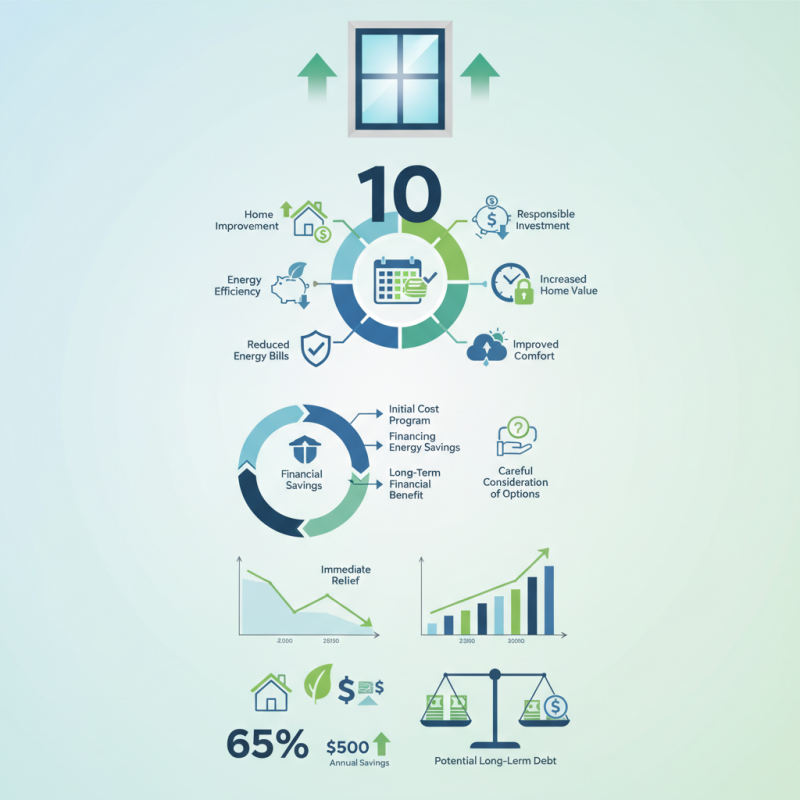
Window financing offers numerous advantages for homeowners. With rising energy costs and the need for home upgrades, financing provides flexible solutions. According to a recent industry report, 72% of homeowners prefer financing options for their window projects. This flexibility allows them to install energy-efficient windows without the burden of immediate full payment.
Interest rates for window financing have become increasingly favorable. As of 2026, homeowners can find rates as low as 4% for qualified projects. These rates make it more feasible for families to undertake renovations that increase home value. A typical window replacement can yield up to 70% return on investment, according to data from remodeling magazines. However, many homeowners still hesitate due to upfront costs.
Financing can also enhance energy efficiency. Energy-efficient windows can reduce heating and cooling costs by up to 15%. That can mean substantial savings over time. Yet, some homeowners still choose to delay projects, often due to uncertainty. The reality is that investing in window improvements now can lead to long-term benefits. Homeowners must weigh immediate costs against future savings and comfort.
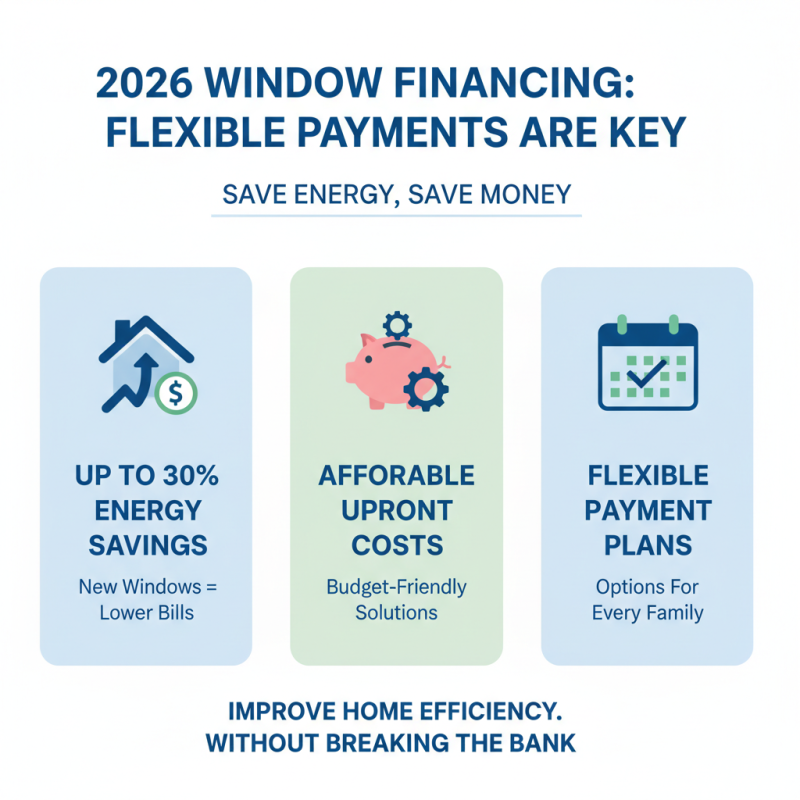
Homeowners are increasingly turning to window financing in 2026. It offers affordable upfront costs that allow more people to enhance their homes without breaking the bank. The average cost for window replacement can hover around $700 per window. Financing options make this more manageable, with monthly payments tailored to fit budgets.
Many homeowners are unaware of how financing can make windows accessible. A recent industry report indicates that nearly 30% of homeowners defer window upgrades due to financial concerns. With financing, they can upgrade efficiently, reducing energy costs and improving home aesthetics. Lower upfront costs can significantly impact decision-making, making home improvements feasible.
Tips for homeowners: Look out for low-interest financing options. Many lenders provide promotions that can save you money over time. Consider the long-term savings on energy bills, which can offset the initial costs. It’s crucial to understand the total cost of financing before committing. Reflecting on your choices can lead to better decisions.
| Benefit | Description | Estimated Cost Savings | Financing Options |
|---|---|---|---|
| Affordable Upfront Costs | Financing allows homeowners to cover the initial costs of new windows without a large outlay of cash. | Up to 30% savings on out-of-pocket expenses. | Low-interest loans, installment plans. |
| Improved Energy Efficiency | New windows can significantly reduce energy bills. | Save $200-$500 annually. | Energy-efficient financing programs. |
| Increased Home Value | New windows enhance property value and market appeal. | Home value increase of 70-80% of the project cost. | Renovation loans, home equity financing. |
| Enhanced Comfort | Upgraded windows reduce drafts and improve indoor comfort. | Potential comfort increase valued at $300/year. | Flexible payment terms. |
| Noise Reduction | Quality windows minimize outside noise. | Improved quality of life valued at $200/year. | No-credit-check financing. |
| Better Aesthetics | New windows enhance the overall look of your home. | Aesthetic upgrade benefits valued at $2,000. | Variable rate loans. |
| Tax Incentives | Certain installations may qualify for tax rebates. | Savings vary based on location. | Tax-credit eligible financing options. |
| Long-Term Durability | High-quality windows last longer, saving on repairs. | Save $100-$300 on future repairs. | Long-term financing plans. |
| Flexible Financing Terms | Various plans to suit different budgets. | Customizable payment options. | Multiple lenders with diverse options. |
| Peace of Mind | Financing allows homeowners to worry less about immediate costs. | Intangible benefit worth up to $500/year. | Equity-based financing options. |
Upgrading windows can significantly boost energy efficiency in homes. A 2022 study revealed that over 90% of homeowners noticed a drop in heater and air conditioner use after window replacements. This reduction directly translates into monthly savings on energy bills. Energy-efficient windows reduce energy loss by up to 30%. That’s a remarkable figure.
New windows often come with low-E coatings and improved insulation. These features help maintain consistent indoor temperatures. The Department of Energy estimates that homeowners can save between $126 to $465 annually on energy costs depending on the size of the house and local energy prices. However, the initial investment can be daunting. Do the long-term savings justify the upfront costs? For many, the answer is yes.
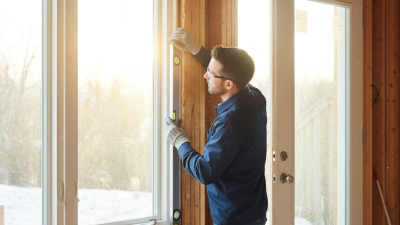
Realistically, not every installation goes smoothly. Homeowners may face unexpected challenges, like structural modifications or installation errors. These issues can lead to additional expenses and delays. Yet, these hurdles often become worth it. The long-term benefits of energy-efficient windows often outweigh the short-term inconveniences. Investing in the right windows could reshape your home environment for years to come.
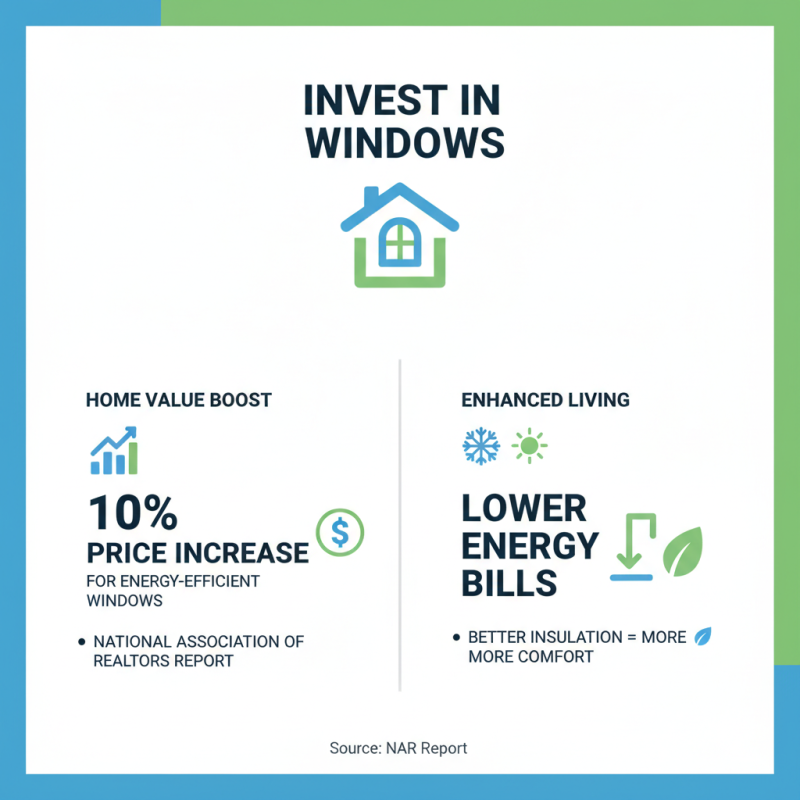
Investing in quality windows can significantly enhance a home's value. A recent report from the National Association of Realtors highlights that homebuyers are willing to pay an extra 10% for homes with energy-efficient windows. This increase is primarily because newer windows offer better insulation. As a result, they help lower energy bills and create a more comfortable living environment.
Properly installed windows can also improve curb appeal. This aesthetic charm can attract potential buyers from the first glance. Research indicates that homes with modern, stylish windows tend to sell faster. However, homeowners should be cautious. Not all window styles will appeal to every buyer. Some might prefer traditional designs over contemporary looks. Thus, choosing the right style is essential in maximizing return on investment.
Furthermore, high-quality windows can reduce long-term maintenance costs. Poorly sealed windows can lead to water damage and mold issues. Homeowners might overlook these aspects until it's too late. Investing in durable, energy-efficient options can help mitigate these risks. In many cases, the initial investment might seem daunting, but over time, the benefits become apparent. The long-term financial gains justify the upfront costs.
In 2026, flexible payment options in window financing have become essential for homeowners. Many families seek ways to improve energy efficiency without breaking their budgets. Reports indicate that homeowners can save up to 30% on energy bills with new windows, but upfront costs can be daunting. Flexible financing helps make these improvements more accessible.
Homeowners can choose from various payment plans. Some options allow monthly payments as low as $100. This makes projects manageable even for tighter budgets. A recent study shows that 72% of homeowners prefer financing terms tailored to their financial situations. Gradual repayment options can reduce the stress often associated with home improvements.
Choosing the right financing can feel overwhelming. Many homeowners may not fully understand interest rates. Some offers may seem attractive at first glance but could result in higher total costs. It’s crucial to read the fine print and consider the long-term impact. Customizing payment options can align better with income patterns. This helps homeowners finance their projects in a way that fits their lives.