Top 10 Home Windows in China for Global Buyers to Consider?
In the evolving landscape of home construction and design, choosing the right home windows is crucial for both functionality and aesthetics. Experts like Chen Wei, a notable figure in the home windows industry, emphasize, "Quality home windows enhance energy efficiency and elevate a home's curb appeal." This statement highlights the importance of selecting windows that not only serve their basic purpose but also contribute to overall home value.
As global buyers explore the top options available in China, they encounter a diverse range of styles and materials. Each choice comes with its own set of features, advantages, and potential drawbacks. Many windows use advanced technologies for insulation but may not always fit traditional designs. Buyers must consider if they prioritize modern innovation or classic aesthetics.
Moreover, different regions in China offer distinct window solutions, reflecting local climate conditions and architectural styles. The complexity of making the right choice can feel overwhelming. It's essential to weigh the benefits against possible setbacks, such as installation challenges or maintenance needs. Understanding these nuances will empower buyers to make informed decisions in their quest for the ideal home windows.
Top Trends in the Chinese Window Industry: A Global Perspective
The window industry in China is evolving rapidly, fueled by innovative technologies and changing consumer preferences. According to a recent report from China Window Research Institute, the market is expected to reach a valuation of $25 billion by 2026. Homeowners are increasingly seeking energy-efficient options. This trend is aligned with the global push for sustainability.
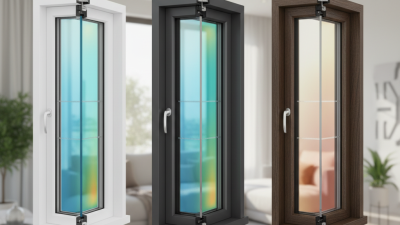
The rise of smart windows is another important trend in the Chinese window market. Smart technologies, such as electrochromic glass, are gaining interest among global buyers. These windows can change transparency based on environmental conditions, enhancing comfort and energy savings. However, the adoption rate remains lower than expected, partly due to high costs and limited awareness.
Moreover, local manufacturers are striving to enhance quality and design. Customers desire aesthetically pleasing designs that complement contemporary architecture. However, many companies face challenges in maintaining consistency in product quality. This highlights the need for better training and investment in quality control processes. Despite these challenges, the window industry in China presents significant opportunities for global buyers seeking modern solutions.
Key Materials Used in China's Home Windows: An Overview for Buyers
When considering home windows in China, understanding the materials used is essential for buyers. The primary materials include aluminum, vinyl, wood, and fiberglass. Each material has unique properties that influence performance, aesthetics, and durability.
For instance, aluminum frames are lightweight and resistant to corrosion. They offer a sleek, modern look but may conduct heat and cold, impacting energy efficiency.
Vinyl windows are popular due to their low maintenance and good insulation. They come in various colors and styles. However, some buyers find that lower-quality vinyl can warp over time.
Wood frames provide a classic appearance, showcasing natural beauty. They require regular maintenance to prevent rot and weather damage, which may be a downside for some homeowners.
Fiberglass is gaining traction for its strength and durability. It expands and contracts less than other materials, improving energy efficiency. However, it can be more expensive, which might deter budget-conscious buyers.
Ultimately, evaluating these materials can help buyers make informed decisions. Each option presents advantages and drawbacks that vary based on individual preferences and needs.
Performance Metrics: Energy Efficiency Ratings for Chinese Windows
Energy efficiency is a key consideration when selecting windows in China. Recent data reveals that residential windows can significantly impact energy consumption. A study from the China Building Materials Federation states that up to 30% of heating and cooling energy can be lost through inefficient windows. This makes it essential for buyers to focus on energy efficiency ratings.
The National Labeling Standard in China introduced energy efficiency ratings categorized from Grade 1 (highest) to Grade 3 (lowest). Windows achieving Grade 1 ratings demonstrate superior insulation and UV resistance. Reports indicate that windows with low U-values can reduce energy costs by 20-50%. Buyers often overlook these aspects, leading to higher long-term operational costs.
Furthermore, the thermal transmittance of a window is crucial. The lower the value, the better the insulation. Industry experts suggest that new materials like low-E glass have transformed window performance. However, many consumers are still unfamiliar with advanced glazing techniques. This lack of awareness can lead to poor choices, resulting in increased energy bills and environmental impacts. Prioritizing energy-efficient windows is increasingly necessary in today's eco-conscious market.
Comparative Analysis: Cost-Effectiveness of Chinese Windows vs. Global Alternatives
When considering home windows, it's essential to evaluate cost-effectiveness. Chinese manufacturers offer attractive pricing, often significantly lower than global counterparts. Many windows are built with durable materials, ensuring longevity. This means buyers can save money upfront and reduce future maintenance costs.
However, it's crucial to analyze quality. Some Chinese products may lack the rigorous testing seen in Europe or North America. Buyers should check certifications and standards for assurance. Materials and insulation properties can vary widely, affecting energy efficiency. A cheaper window may lead to higher bills in the long run.
Global alternatives might be pricier, but they often provide advanced technology and design. Enhanced energy efficiency can make these windows worthwhile. They typically offer better warranties and stronger support from manufacturers. This can impact long-term savings and overall satisfaction. Each market has its pros and cons; careful consideration is vital.
Top 10 Home Windows in China for Global Buyers to Consider
| Window Type |
Material |
Price (per unit) |
Energy Efficiency |
Durability (Years) |
Global Alternatives |
| Double Glazed |
Aluminum |
$150 |
A+ |
20 |
Vinyl Options |
| Single Hung |
uPVC |
$100 |
B |
15 |
Aluminum Frames |
| Casement |
Wood |
$200 |
A |
25 |
Fiberglass Choices |
| Sliding |
Aluminum |
$180 |
B+ |
18 |
Vinyl Sliding |
| Tilt and Turn |
uPVC |
$250 |
A++ |
22 |
Aluminium Variants |
| Arch Windows |
Wood |
$300 |
C |
20 |
Specialty Shapes |
| Bay Windows |
Vinyl |
$350 |
B++ |
25 |
Wooden Bay Alternatives |
| Hopper Windows |
uPVC |
$120 |
B |
15 |
Standard Choices |
| Picture Windows |
Aluminum |
$400 |
A |
30 |
Fixed Steel Frames |
| Garden Windows |
Wood |
$320 |
A+ |
22 |
Plastic Greenhouse |
Future Projections: Growth and Innovation in China's Window Manufacturing Sector
China's window manufacturing sector is on the cusp of significant growth and innovation. With advancements in materials and technology, manufacturers are developing energy-efficient products. This trend increases energy conservation and meets international standards for sustainability. New designs are more appealing, blending aesthetics with functionality. There is a focus on producing windows that withstand extreme weather.
Emerging technologies are playing a crucial role. Automated production lines improve efficiency and reduce costs. Smart window technology is gaining traction, offering features like self-tinting and enhanced security. However, there remain challenges, such as quality control and consistency across the supply chain. Not all manufacturers meet stringent quality standards. Buyers should be vigilant and conduct thorough research.
Overall, the potential for growth is substantial, but so are the risks. As global buyers navigate this complex landscape, it’s vital to prioritize reliability and innovation. The landscape is evolving; being informed can lead to better purchasing decisions. Striking a balance between cost and quality will be key in this journey.