Top 10 Home Windows Replacement Options for Global Buyers?
In the evolving landscape of home windows replacement, homeowners face numerous choices. According to industry expert Mark Thompson, “Choosing the right windows can save you money and improve your home’s efficiency.” With energy costs rising, the importance of selecting the best windows cannot be overstated.
Home windows replacement is not a simple task. Each option presents unique benefits and challenges. Many buyers struggle to identify which material or style suits their home best. Vinyl, wood, and fiberglass all come with varying price points and long-term performance.
A well-informed decision can elevate your home’s aesthetics and functionality. For example, double-glazed windows enhance insulation. However, they may not be necessary for all climates. Understanding your specific needs is crucial. Financial considerations also play a vital role in this journey, as costs can vary widely. Overall, it becomes essential to weigh your options carefully.
Top 10 Home Windows Replacement Options for Global Buyers
When considering home window replacement, understanding the market's top choices is essential. According to the latest industry reports, vinyl windows are highly recommended, offering both durability and energy efficiency. They account for nearly 50% of residential window sales in North America. However, this popularity can lead to oversaturation and potential quality inconsistencies. Buyers must vet manufacturers carefully.
Wood windows, another notable option, provide aesthetic appeal and superior insulation. They represent about 30% of the market segment. Yet, wood requires more maintenance and can be susceptible to moisture damage. Users should weigh these factors before making a decision.
Aluminum frames, while less prevalent, are increasingly attractive for their strength and modern look. They typically offer higher thermal conductivity, which can lead to energy loss. This trade-off in efficiency often raises questions about long-term energy costs. Research shows that homeowners often overlook long-term benefits for short-term appeal. Understanding these details can help make a more informed replacement decision.
Understanding the Importance of Choosing the Right Windows
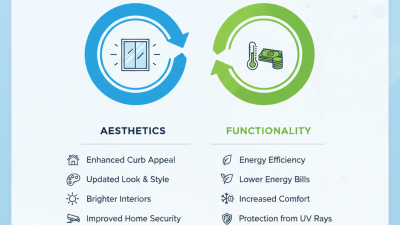
Choosing the right windows for your home is crucial. Windows enhance aesthetics, improve energy efficiency, and ensure security. Poor choices may lead to drafts, water damage, or higher utility bills. Selecting windows that fit your needs requires thoughtful consideration.
When looking for replacement options, prioritize functionality. Different materials offer varied benefits. For example, vinyl is often durable, while wood provides classic appeal. Each material impacts the energy efficiency of your home. Consider climate as it affects window performance. Research is essential to ensure your choice withstands local weather conditions.
Tips: Always check for energy ratings. Look for windows with a low U-factor for better insulation. Don't overlook warranties; they reflect the manufacturer’s confidence. Installation quality matters significantly—improperly installed windows can negate benefits. Reflect on your lifestyle and how often you'll clean or maintain the windows. This reflection will guide you in making a choice that balances beauty and practicality.
Top 10 Home Windows Replacement Options
This chart illustrates the popularity scores of various home window replacement options based on buyer preferences. Each score represents a scale from 1 to 10, with higher scores indicating greater popularity among global buyers.
Key Factors to Consider When Replacing Home Windows
When considering home window replacement, several key factors come into play. Energy efficiency is crucial. Windows can significantly impact heating and cooling costs. Look for options with high energy ratings to ensure comfort and savings. Assess materials like vinyl or wood. Vinyl windows offer low maintenance, while wood provides classic aesthetics. Each has its benefits.
Another important factor is style and design. Windows should complement the home’s architecture. An attractive design enhances curb appeal. Consider shape, size, and color. Standard sizes may fit, but custom shapes can elevate your home’s look. Don’t overlook safety features. Security should be a priority in window choices. Make sure windows come with quality locks and strong frames.
Lastly, while cost is a factor, it's not the only one. Cheap options could lead to higher long-term costs due to inefficiency or damage. Weigh the initial investment against potential savings and longer lifespans. Researching local installation services can also influence your decision. Quality installation is as vital as choosing the right windows. Take all these aspects into account carefully before making a final decision.
Comparison of Different Window Materials and Their Benefits
When considering home window replacements, the choice of material significantly impacts performance and aesthetics. Common options include vinyl, wood, aluminum, and fiberglass, each offering distinct advantages. Vinyl windows are popular for their affordability and low maintenance. They resist moisture and do not require painting. However, they may lack the natural beauty some homeowners desire.
Wood windows provide unmatched elegance and insulation. They can be customized with various finishes. Yet, they require regular upkeep, as wood is susceptible to rot and insect damage. Aluminum frames are durable and lightweight. They are resistant to rust but may not provide the best insulation. Fiberglass windows are energy-efficient and can mimic the look of wood without the maintenance drawbacks.
Tips: Consider your local climate when selecting window materials. Different materials perform better in varying conditions. Do not rush the decision; weigh long-term costs against initial expenses. Opt for energy-efficient options, as they can lead to savings on energy bills. Always consult with a trusted professional for installation. This choice can lead to significant long-term benefits for your home.
Top 10 Recommended Window Styles for Different Climates
Choosing the right window style for your home is vital, especially when considering climate. Climate affects energy efficiency, maintenance, and comfort. For warmer regions, consider casement windows. They allow for optimal airflow, keeping spaces cool. Their ability to open fully creates a breeze, a perfect solution for hot days.
In colder climates, double-hung windows shine. They are designed to hold heat, maintaining comfort indoors. These windows can easily be opened from both top and bottom, enhancing ventilation. Homeowners in humid areas might prefer awning windows. These not only allow for ventilation during rain but also reduce the risk of water entering your home.
Each style has its pros and cons. Casement windows may need more frequent repairs. Double-hung designs can be tricky to clean. Awning windows offer great protection, yet they need proper sealing to avoid leaks. It's essential to weigh these factors carefully.
Top 10 Home Windows Replacement Options for Global Buyers
| Window Style |
Recommended Climate |
Material Type |
Energy Efficiency Rating |
| Double-Hung Windows |
Moderate Climates |
Vinyl |
Energy Star Certified |
| Casement Windows |
Windy Areas |
Wood |
High Efficiency |
| Sliding Windows |
Mild Climates |
Aluminum |
Good Efficiency |
| Awning Windows |
Rainy Regions |
Vinyl |
Excellent Efficiency |
| Picture Windows |
Sunny Areas |
Glass |
Variable |
| Bay Windows |
Variable Climates |
Wood/Composite |
Good to High Efficiency |
| Bow Windows |
Variable Climates |
Vinyl/Wood |
High Efficiency |
| Garden Windows |
Sunny, Interior Spaces |
Vinyl |
Good Efficiency |
| Hopper Windows |
Basements and Bathrooms |
Vinyl |
Moderate Efficiency |
| Tilt & Turn Windows |
Variable Climates |
Aluminum |
High Efficiency |
Conclusion
When considering home windows replacement, understanding the significant role that windows play in both aesthetics and energy efficiency is crucial for homeowners. Selecting the right windows not only enhances the visual appeal of a home but also contributes to energy savings and comfort. Various factors must be taken into account, including climate, material types, and energy efficiency ratings, to ensure the best choice is made.
This article outlines the top 10 recommended window styles suitable for different climates and provides a comprehensive comparison of various window materials and their benefits. Emphasizing the importance of energy efficiency ratings, the article aims to guide global buyers in making informed decisions for their home windows replacement projects, ensuring they select options that meet both their functional needs and personal preferences.