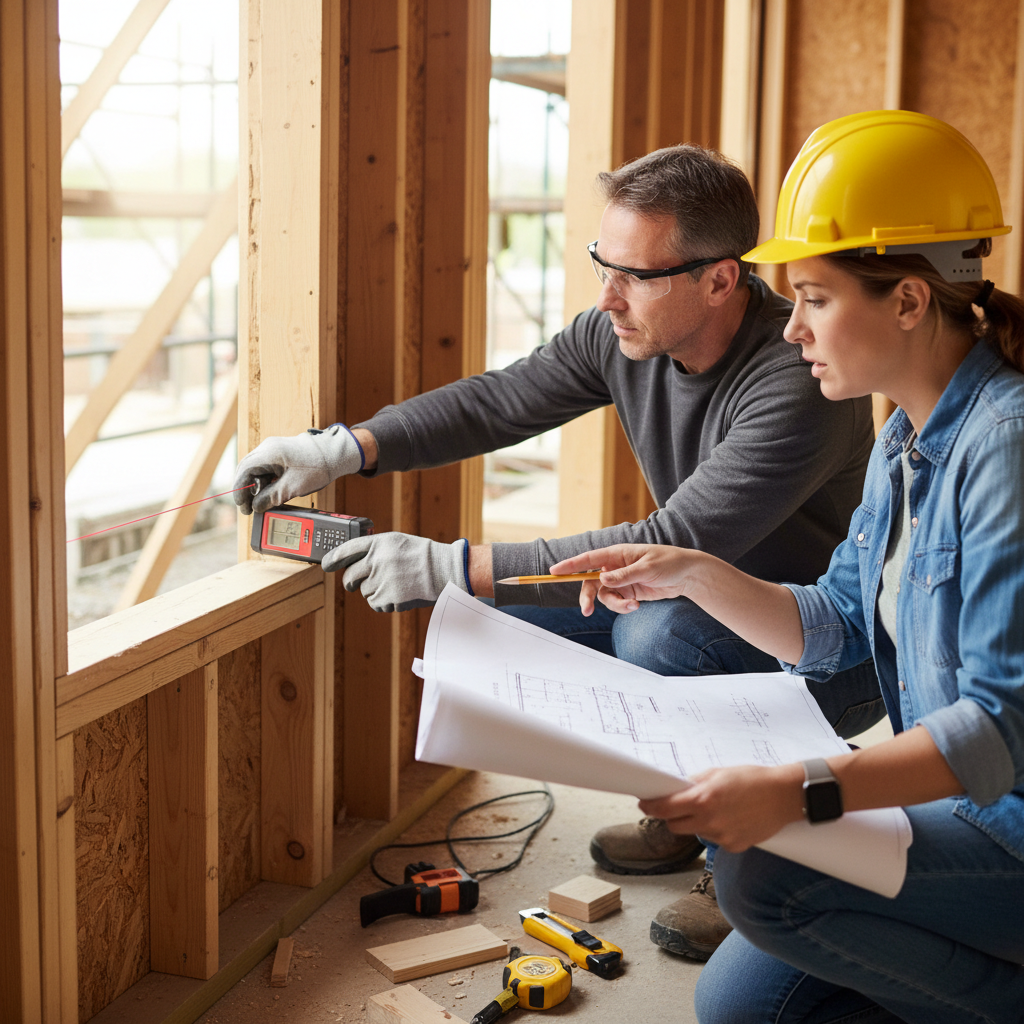
2025 Top Tips for Efficient Home Window Installation Techniques
When it comes to enhancing the efficiency and aesthetics of your living space, one of the most impactful decisions you can make is to invest in
effective home window installation techniques. In the rapidly evolving landscape of home improvement, the year
2025 brings forth innovative practices and invaluable insights that can streamline the installation process, ensuring not only optimal performance but also long-lasting satisfaction.
Whether you are a seasoned DIY enthusiast or a first-time homeowner, mastering the nuances of home window installation is crucial for achieving
energy efficiency and elegance in your property.
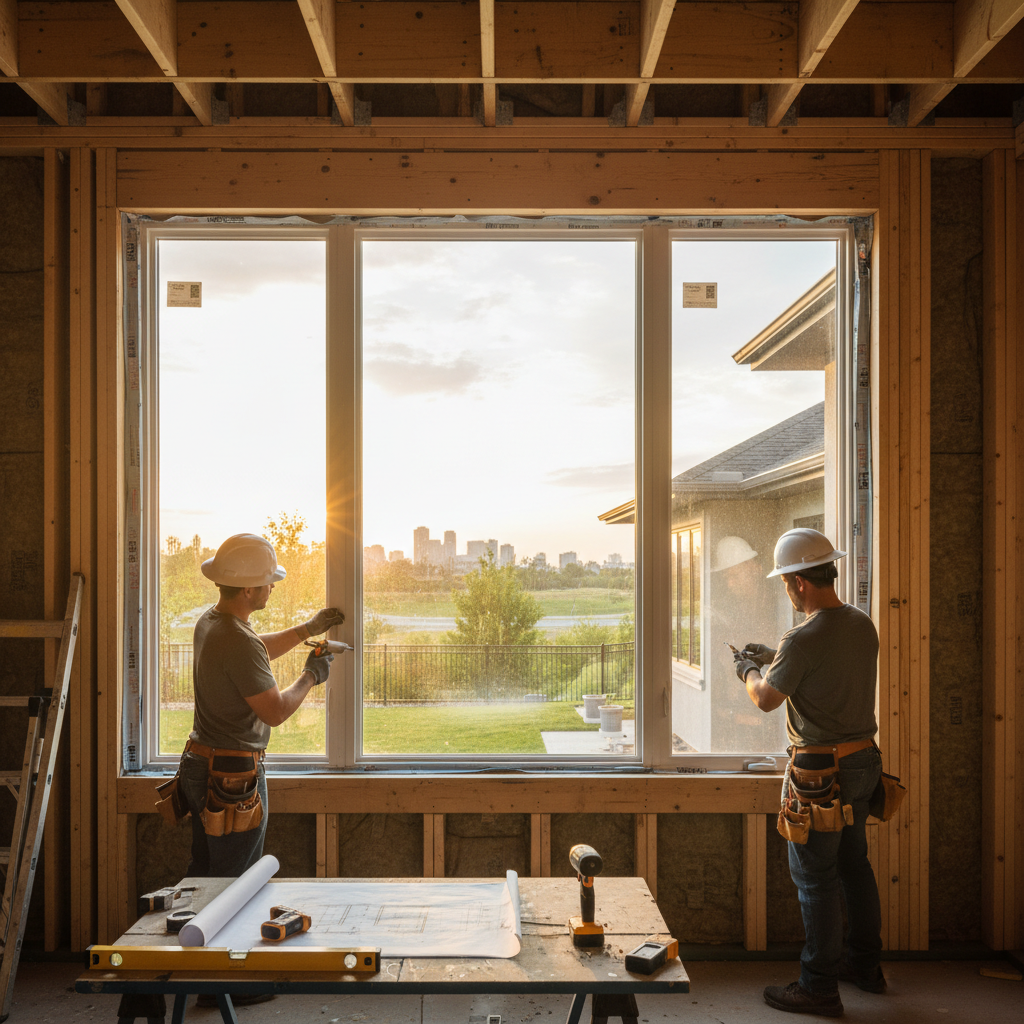
The right techniques can make a significant difference in the overall success of your installation project. From selecting the appropriate materials to understanding the critical elements of
measurements and framing, our top ten tips will equip you with the knowledge necessary to tackle your window
installation with confidence. In this guide, we'll explore expert recommendations that highlight the importance of
precision, planning, and the use of modern tools. Embrace the opportunity to learn from the best practices of the industry, as you prepare to
transform your home into a haven of comfort and style through efficient window installation.
Understanding the Importance of Proper Window Installation for Energy Efficiency
Proper window installation is crucial for enhancing a home's energy efficiency. When windows are installed correctly, they create a tight seal that minimizes air leaks, which can significantly reduce heating and cooling costs. In this context, understanding the importance of precision in installation will not only improve comfort in your living spaces but also contribute to sustainable energy consumption.
To achieve effective window installation, one essential tip is to ensure that the frame is level and plumb. This means that the window should sit evenly in the frame, allowing for proper sealing and minimizing the risk of drafts. Additionally, using high-quality insulation materials around the window frame can provide extra protection against air leakage, boosting the overall energy efficiency of the home.
Another valuable tip is to consider the type of window used. Selecting double or triple-pane windows can provide better insulation compared to single-pane alternatives. This choice not only enhances energy performance but also helps in reducing external noise, creating a quieter indoor environment. Taking these factors into account during window installation will lead to long-term savings and improved comfort for homeowners.
Selecting the Right Type of Windows for Optimal Heat Retention
When it comes to optimizing heat retention in your home, selecting the right type of windows is crucial. Double or triple-glazed windows are highly recommended, as they provide superior insulation by creating air or gas-filled spaces between the panes that reduce heat transfer. Low-emissivity (Low-E) coatings on the glass can also enhance energy efficiency, reflecting heat back into your home during the winter while keeping it cool in the summer. These features are vital for maintaining a comfortable indoor environment and lowering energy costs.
Another important factor to consider is the window frame material. Options like vinyl and fiberglass offer excellent insulation properties compared to traditional wood frames, which may require more maintenance and can compromise energy efficiency over time. Additionally, ensure that the windows are properly installed with airtight seals to prevent drafts and leaks. By carefully choosing the right window type and materials, you can significantly improve your home's heat retention, leading to a cozier living space and reduced energy expenses.
2025 Top Tips for Efficient Home Window Installation Techniques
This bar chart illustrates the average heat retention values (R-value) of various window types commonly used in home installations. Selecting windows with higher R-values can significantly improve energy efficiency and reduce heating costs.
Essential Tools and Supplies for Streamlined Window Installation Process
When it comes to efficient home window installation, having the right tools and supplies is crucial for a streamlined process. According to a report by the National Association of Home Builders, the right equipment can reduce installation time by up to 30%. Essential tools such as a power drill, level, measuring tape, and caulk gun not only enhance accuracy but also create a safer working environment. Each tool plays a specific role; for instance, a level ensures that windows are properly aligned, while a measuring tape guarantees precise dimensions, eliminating costly mistakes.
Additionally, the quality of materials used can significantly impact installation efficiency. The Window and Door Manufacturers Association suggests that using energy-efficient, pre-assembled windows can save up to 20% on installation time compared to traditional units. Moreover, supplies like weatherstripping and flashing tape are vital in ensuring a robust and energy-efficient sealing, which is essential in today’s market where energy savings are a top priority. By investing in these tools and materials, homeowners can simplify their installation process and achieve a higher-quality finish in their window projects.
Step-by-Step Guide to Measuring and Cutting for Successful Window Fit
When it comes to achieving a successful window installation, proper measurement and cutting are crucial steps. A recent industry report from the Window and Door Manufacturers Association (WDMA) indicates that improper measurements account for nearly 30% of installation failures. To mitigate this risk, it’s essential to take precise measurements before purchasing new windows. Begin by measuring the width and height of the existing window frame in three different places—top, middle, and bottom for width; left, center, and right for height. This ensures you identify any inconsistencies and select a window that fits perfectly.
Tip: Always use a level when measuring. This will help you detect any slants in the frame that could affect your installation.
Once the measurements are confirmed, the next step is cutting the materials correctly. If you're working with new framing, cut to the exact measurements with precision tools. According to a study by the National Institute of Standards and Technology, accurate cutting can reduce installation time by up to 25%. Employing a miter saw with a fine-tooth blade will enhance the accuracy of your cuts, ensuring a snug fit for your windows.
Tip: Double-check your measurements and cuts before finalizing. It's easier to correct mistakes before installation than to make adjustments afterwards.
2025 Top Tips for Efficient Home Window Installation Techniques
| Tip No. |
Tip Description |
Expected Outcome |
| 1 |
Measure Twice, Cut Once |
Reduces errors and material waste |
| 2 |
Use Quality Tools |
Ensures precision and efficiency |
| 3 |
Check for Level |
Ensures proper window fit and functionality |
| 4 |
Seal the Edges Well |
Prevents drafts and water leaks |
| 5 |
Use Proper Insulation |
Improves energy efficiency |
| 6 |
Choose the Right Time |
Ensures optimal conditions for installation |
| 7 |
Follow Manufacturer Instructions |
Ensures warranty and proper usage of the product |
| 8 |
Test the Window Operation |
Ensures smooth operation post-installation |
Common Mistakes to Avoid in Window Installation to Ensure Longevity and Performance
When installing windows, avoiding common mistakes is crucial to ensure both longevity and optimal performance. One frequent error is inadequate measurement. Taking precise measurements is essential because even a small miscalculation can lead to gaps that allow drafts and moisture intrusion, ultimately compromising the window's integrity. Before cutting or ordering new windows, double-check all measurements, ensuring they account for the frame and any necessary adjustments.
Another common mistake is neglecting proper sealing and insulation. Skipping this step can result in energy inefficiency, with heat escaping in winter and excessive heat entering during summer. It’s important to use quality caulk and insulation materials around the perimeter of the window to create a tight seal. Additionally, pay attention to the flashing installation; improper flashing can lead to water damage over time. By steering clear of these pitfalls, homeowners can enhance the performance and durability of their windows, providing comfort and reducing future repair costs.