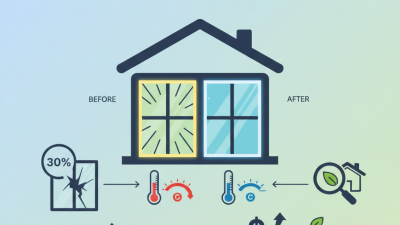
Top 10 Window Replacements Options for Energy Efficiency and Style
When it comes to enhancing a home's energy efficiency and aesthetic appeal, the choice of window replacements plays a crucial role. As noted by renowned window replacement expert Johnathan Meyer, "Optimal window replacements not only improve insulation and reduce energy costs but also elevate the overall style of your home." With an array of options available in the market, selecting the right windows can be a daunting task for homeowners aiming to strike a perfect balance between functionality and design.
In this guide, we will explore the top ten window replacement options that meet both energy efficiency standards and style preferences. Homeowners today are increasingly aware of how crucial efficient windows are in minimizing energy consumption while providing comfort throughout the year. From double-hung windows to sliding and casement styles, each option offers unique benefits that can significantly impact your home’s energy performance and visual appeal. Whether you're renovating or building anew, understanding these options will empower you to make informed decisions that align with your sustainability goals and design aesthetics.
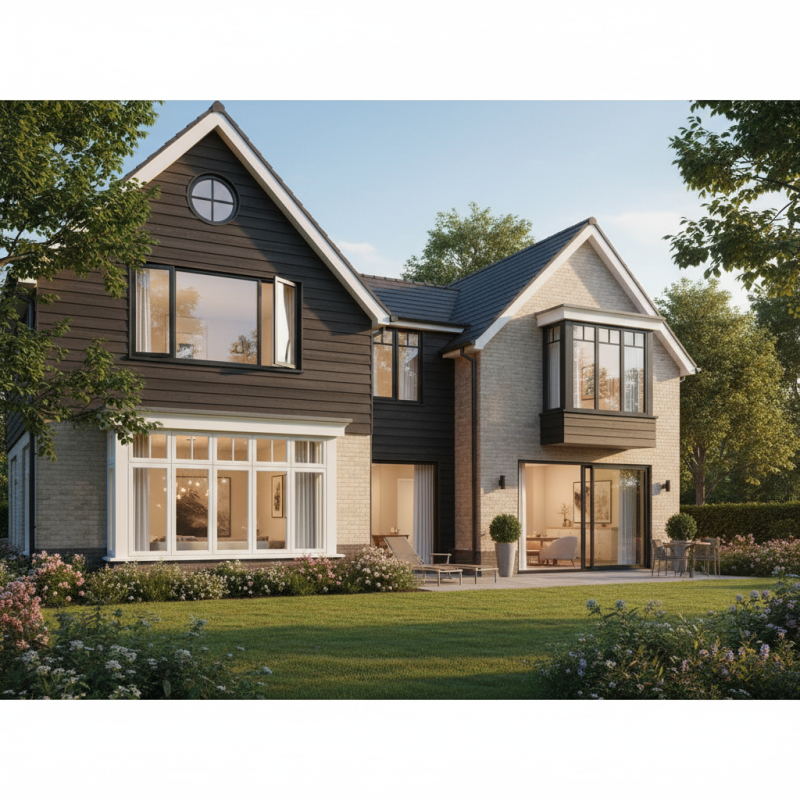
Factors to Consider When Choosing Energy-Efficient Windows
When selecting energy-efficient windows, several factors must be considered to enhance both performance and aesthetic appeal. First and foremost, the window frame material plays a crucial role in energy efficiency. Options like vinyl offer superior thermal insulation, while wood frames provide natural aesthetics but require more maintenance. According to the U.S. Department of Energy, the right frame and window combination can reduce energy costs by up to 15%, making this a vital consideration for homeowners.
Another important aspect is the type of glazing used in the windows. Double or triple glazing with low-emissivity (Low-E) coatings helps to minimize heat transfer, keeping interiors comfortable year-round. The National Renewable Energy Laboratory (NREL) suggests that homes with energy-efficient windows can save an average of 12% on heating and cooling costs annually. This is significant not only for personal finances but also for reducing environmental impact.
Tips:
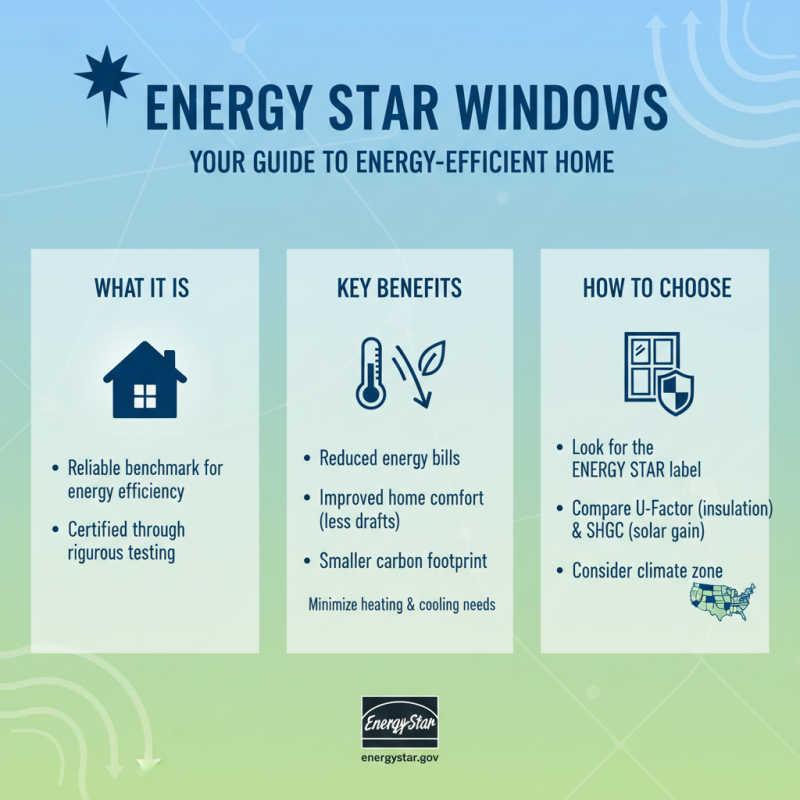
- Look for windows certified by ENERGY STAR, which indicates compliance with energy efficiency standards.
- Invest in windows with a high Solar Heat Gain Coefficient (SHGC) for sunny regions to enhance comfort without excessive cooling demands.
Investing in quality energy-efficient windows not only elevates the style of your home but also leads to substantial long-term savings.
Top Materials for Energy-Efficient Window Replacements
When considering window replacements for energy efficiency, the choice of materials plays a crucial role in overall performance. Among the top options,
vinyl, fiberglass, and wood-clad windows stand out for their energy-saving benefits. According to the U.S. Department of Energy,
windows account for about 25-30% of residential heating and cooling energy use, making the right selection imperative for homeowners aiming to reduce their energy bills.
Vinyl windows are particularly popular due to their excellent insulation properties and low maintenance requirements. They are typically filled with gas to enhance thermal efficiency and often come with multi-chambered designs that reduce heat transfer. The Lawrence Berkeley National Laboratory notes that high-quality vinyl windows can achieve energy savings of up to 30% compared to single-pane alternatives. On the other hand, fiberglass windows, while carrying a higher upfront cost, offer superior insulation and durability, boasting a lifespan that can exceed 50 years with minimal thermal expansion. Their energy efficiency helps maintain consistent indoor temperatures, which can further decrease energy consumption over time.
Wood-clad windows merge the best of both worlds by providing a natural aesthetic appeal along with the insulating advantages of modern materials.
Although they require more maintenance than vinyl or fiberglass, their energy efficiency ratings make them a worthy investment. Research indicates that wood-clad windows can reduce heating and cooling costs by approximately
10-15% when properly installed, according to data from the National Association of Home Builders. Ultimately, selecting the right material is essential not only for energy efficiency but also for enhancing the home's overall style and comfort.
Popular Styles of Windows and Their Impact on Home Aesthetics
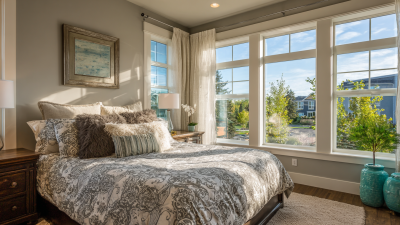
When considering window replacements, the impact of style on home aesthetics cannot be overstated. Different window designs contribute significantly to the overall character of a home. For instance, casement windows, which swing open outward, provide a modern and clean look while allowing ample ventilation. Their minimalist design can accentuate contemporary homes and enhance the view from inside. Meanwhile, double-hung windows, with their traditional appeal, offer versatility and can harmonize beautifully with classic architectural styles, making them a popular choice for restoration projects.
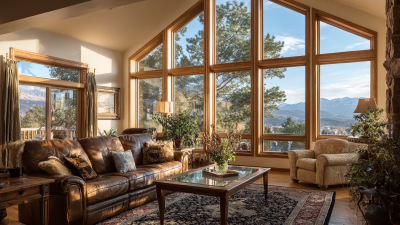
Another style that enhances home aesthetics is the bay or bow window. These windows create a sense of space and depth, allowing natural light to flood into the interior while also providing a charming nook for plants or seating. Architectural windows, which come in various shapes and sizes, allow homeowners to get creative, adding unique visual elements that can transform the façade of a house. Ultimately, the choice of window style should reflect both personal tastes and the current trends in energy efficiency, ensuring that aesthetic enhancements also contribute to a home's performance and comfort.
Energy Star Ratings: Understanding Window Performance Standards
Understanding Energy Star ratings is crucial when assessing window performance standards. These ratings provide a reliable benchmark for energy efficiency, allowing homeowners to make informed decisions in their quest for sustainable living. Windows with Energy Star certification undergo rigorous testing to measure their insulating capabilities, air leakage, and solar heat gain. This ensures that the selected windows can significantly reduce energy consumption by minimizing heating and cooling demands, which is particularly beneficial in regions with extreme weather conditions.
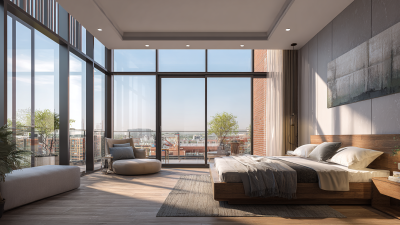
In addition to energy efficiency, the aesthetic appeal of windows plays a vital role in enhancing the overall design of a home. Choosing windows that meet Energy Star standards doesn’t need to compromise style. Many options are available that integrate modern design elements while still offering excellent energy performance. By combining a focus on functionality and aesthetics, homeowners can achieve a harmonious balance, making energy-efficient choices without sacrificing style. Ultimately, understanding Energy Star ratings empowers individuals to invest in window replacements that contribute to both ecological sustainability and visual elegance in their homes.
Cost vs. Savings: Evaluating Long-Term Benefits of Window Upgrades
When considering window replacements, the initial cost can be a notable factor. However, evaluating the long-term benefits reveals how energy-efficient windows can lead to substantial savings over time. While the price tag of new windows may seem daunting, the energy savings achieved by reducing heating and cooling costs can quickly offset this investment.
Energy-efficient windows minimize the transfer of heat and cold, keeping homes more comfortable while reducing reliance on HVAC systems, which translates into lower utility bills each month.
Additionally, beyond the direct financial implications, energy-efficient windows can enhance property value. Potential buyers are increasingly attracted to homes featuring modern, efficient windows, recognizing the long-term savings and environmental benefits they provide. This can result in a higher resale value, making the initial investment even more worthwhile. The combination of energy savings and increased property value contributes to a compelling case for upgrading windows, turning what might seem like a hefty expenditure into a wise financial decision over time.