Top Trends in Windows and Doors Installation for 2026?
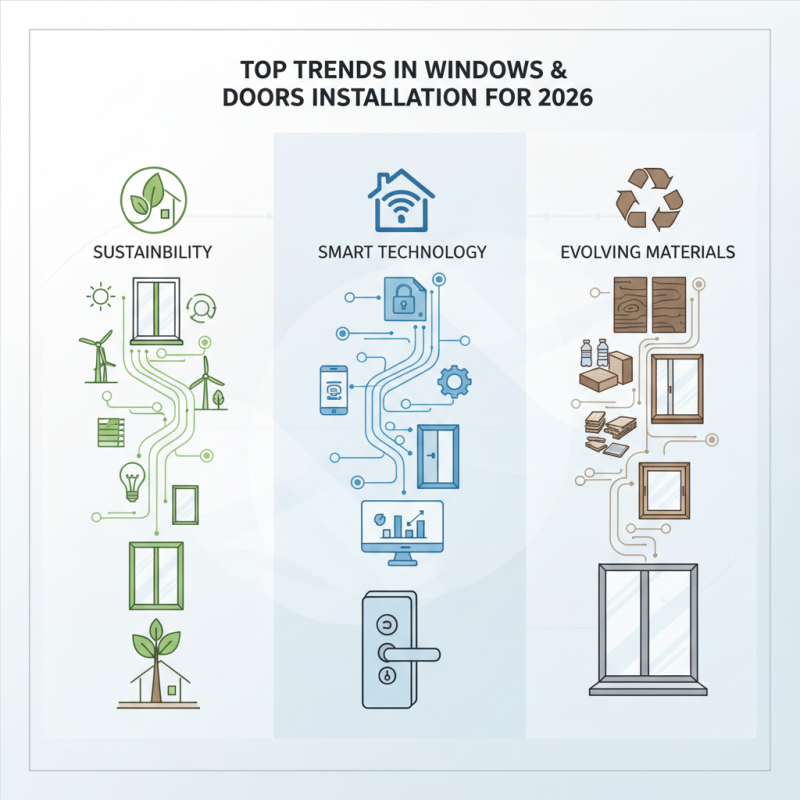
As we approach 2026, the landscape of windows and doors installation is set to undergo significant changes. Industry expert Mark Thompson, a seasoned installer with over 20 years of experience, emphasizes the importance of sustainability in this evolution. "The future lies in energy-efficient solutions that meet modern demands," he notes, highlighting a growing priority for consumers and professionals alike.
The integration of smart technology is another key trend expected to reshape the market. Advanced features such as automated locking systems and energy monitoring are becoming increasingly common. Additionally, materials are evolving. Manufacturers are exploring recycled options, aiming for both durability and environmental responsibility. This shift not only reflects consumer preferences but also challenges installers to adapt.
However, the industry faces some hurdles. The rapid pace of innovation can overwhelm both customers and installers. Balancing cutting-edge design with traditional craftsmanship will require ongoing education and training. It's crucial for professionals to remain flexible and informed about these evolving trends. Embracing change can lead to better installations and stronger client trust in the windows and doors installation sector.
Emerging Technologies in Windows and Doors Installation for 2026
As we look ahead to 2026, the installation of windows and doors is evolving rapidly. Technological advancements are paving the way for more efficient processes. One emerging trend involves automated installation systems. These systems utilize robotics for precision and speed. This can reduce labor costs and installation time significantly. Yet, reliance on automation raises questions about job security in the industry.
Energy efficiency is another focal point. Smart windows, equipped with sensors, can adjust their tint based on sunlight. This feature enhances comfort and reduces energy consumption. However, integrating such technologies requires careful planning. There is a learning curve for installers unfamiliar with smart systems. Ensuring they receive proper training is essential for success.
Sustainability also drives innovation in window and door materials. Biodegradable options are becoming more popular. While this is promising, durability remains a concern. Homeowners need assurance that eco-friendly materials will stand the test of time. Balancing environmental impact with performance requires ongoing research and development.
Sustainable Materials and Energy-Efficient Options
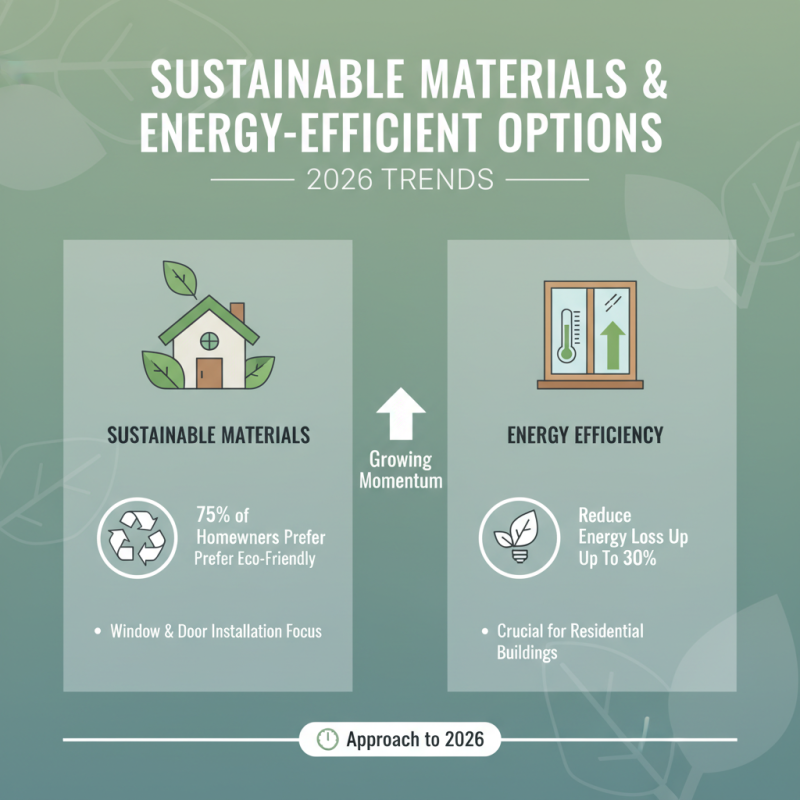
As we approach 2026, the focus on sustainable materials in windows and doors installation continues to gain momentum. Research indicates that 75% of homeowners prefer eco-friendly options when renovating. This shift aligns with the growing trend toward energy efficiency in residential buildings. Energy-efficient windows can reduce energy loss by up to 30%. This statistic underscores the importance of choosing the right materials.
Incorporating recycled materials is becoming standard practice. Many manufacturers are now offering products made from post-consumer recycled content. According to a recent report, using such materials can lessen carbon footprints significantly. However, challenges remain. The availability of sustainable materials can vary by region. This inconsistency may hinder some builders from fully committing to eco-friendly practices.
Furthermore, homeowners are increasingly interested in passive design solutions. These options provide natural temperature control, reducing reliance on artificial heating or cooling. Yet, educating consumers about these benefits can be difficult. Many still prioritize aesthetics over sustainability. As the industry progresses, bridging this knowledge gap will be crucial. The journey toward a more sustainable future in windows and doors installation is not without hurdles, but the potential rewards are significant.
Smart Home Integration and Automation Trends
As we approach 2026, the integration of smart home technology into window and door installations is set to revolutionize our living spaces. Homeowners increasingly seek systems that enhance security and energy efficiency. Automated locking mechanisms, integrated sensors, and energy-saving features are becoming standard.
These innovations not only offer convenience but also contribute to a more sustainable future.
However, the rapid adoption of such technologies raises questions about reliance on automation. It’s crucial to weigh the benefits against potential vulnerabilities. For instance, while smart locks improve security, they can be susceptible to hacking. Additionally, the installation process itself must be expertly managed to ensure functionality and safety. Homeowners often find the selection and installation overwhelming, leading to uncertainty about the best choices for their needs.
Design trends also reflect this shift. Sleek interfaces and user-friendly apps are essential for the modern homeowner. Yet some may struggle with the technology. Providing accessible guides and support is vital. Ultimately, as smart technology evolves, so should our approach to its installation and maintenance. Understanding the balance between innovation and security will shape the way we design and use our homes in the coming years.
Innovative Design Aesthetics for Modern Architecture
The architectural landscape is evolving rapidly, particularly in the realm of windows and doors installation. Innovative design aesthetics play a crucial role in modern architecture. Recent industry reports indicate that nearly 63% of homeowners prioritize energy efficiency when choosing windows and doors. This trend reflects a growing awareness of sustainability and reduced energy bills.
Sleek lines and minimalist frames are becoming increasingly popular. Glass panels, for instance, enhance natural light while maintaining energy efficiency. Choose materials that not only look good but also improve insulation. Biophilic design is gaining traction, emphasizing a connection to nature. Large, operable windows that invite the outdoors in are in high demand.
Tip: Consider the size and positioning of windows when designing a space. Proper placement can significantly impact natural light and ventilation.
While innovation is exciting, it also brings challenges. Finding the right balance between aesthetics and functionality is crucial. Some designs may compromise on durability or safety. Homeowners should evaluate performance data and consult experts before making decisions.
Tip: Always review energy ratings for windows and doors. Higher ratings can lead to better long-term savings.
Regulations and Compliance Changes Impacting Installations in 2026
In 2026, the landscape of windows and doors installation will evolve significantly due to new regulations and compliance standards. According to a report from the National Association of Home Builders, 58% of builders believe stricter energy efficiency codes will shape installation methods. This reflects a growing demand for products that meet higher standards for environmental sustainability.
Building codes across various states are likely to undergo revisions, often focusing on energy performance and safety requirements. For example, a recent survey by the American Institute of Architects indicated that nearly 65% of architects anticipate changes that will affect glass and window installations, particularly regarding thermal efficiency and structural integrity. These changes will require contractors to stay informed and adapt their practices.
The adoption of smart technology within window and door systems is also rising. Enhanced security features and improved insulation through smart sensors are becoming essential. While these innovations offer significant benefits, they also present challenges, such as the need for additional training for installers. This shift emphasizes the importance of continuous education in the industry as regulations tighten and new technologies emerge, compelling professionals to reconsider traditional installation techniques.