Vinyl windows are made from polyvinyl chloride, commonly called PVC, with hollow frames designed to improve insulation. They are widely used in replacement projects because they resist moisture, insects, and peeling paint. A typical white vinyl frame may look plain beside stained wood, yet it requires little seasonal maintenance. Many homeowners appreciate that practical trade-off.
Performance depends on more than the frame material. Look for double or triple glazing, low-emissivity coatings, insulated chambers, and certified air-leakage ratings. The National Fenestration Rating Council label can help compare U-factor, solar heat gain, and visible transmittance. Installation matters just as much. Even an efficient window can perform poorly around a loose sill or an unsealed perimeter.
There are limitations.
Vinyl windows can expand and contract with temperature changes. Dark colors may show this effect more noticeably. Lower-quality frames can warp, discolor, or feel flexible after years of sunlight. Repairs may also be less straightforward than replacing hardware on traditional wood windows. These concerns do not make vinyl windows a poor choice. They show why product quality and installer experience deserve equal attention.
In this guide, we will examine their construction, energy performance, durability, appearance, cost, and maintenance needs. We will also question common marketing claims. No window is perfect. The right decision depends on climate, budget, wall design, and your expectations for the next twenty years.
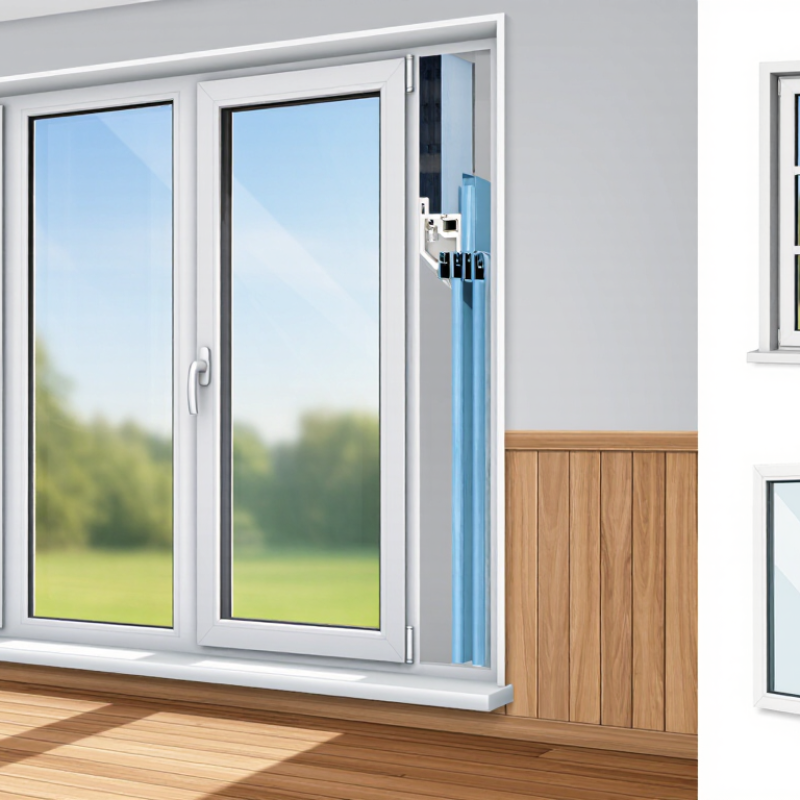
Vinyl windows are windows with frames made mainly from polyvinyl chloride, commonly called PVC. The frame surrounds the glass and usually contains hollow chambers for added stiffness and insulation. Reinforcement may be added in larger units. The glass itself is separate from the vinyl frame.
A vinyl window is not automatically energy efficient. The U.S. Department of Energy estimates that windows can account for 25–30% of residential heating and cooling energy use. Properly designed replacements may reduce unwanted heat transfer, especially with insulated glass and low-emissivity coatings. The frame matters, but installation matters just as much. Small gaps around the opening can allow drafts, even when the window has strong laboratory ratings.
The National Fenestration Rating Council evaluates windows through ratings such as U-factor, solar heat gain coefficient, visible transmittance, and air leakage. These figures help compare products across climates.
A lower U-factor generally indicates better insulation. However, a high-performance rating does not guarantee comfort in every room. Direct afternoon sunlight, poor shading, or an uneven wall opening can change the result.
Vinyl frames resist moisture and usually require little painting. That is useful around damp rooms. They can expand and contract with temperature changes, though. Dark surfaces may heat faster, and low-quality frames can warp or discolor over time. Installation quality is often the weak point. A careful inspection should check the sill, flashing, drainage paths, and locking pressure.
Vinyl windows are made mainly from polyvinyl chloride, commonly called PVC. Manufacturers blend the resin with stabilizers, pigments, and impact modifiers. The mixture is heated and pushed through a shaped die. This process creates long window profiles with hollow chambers. These chambers reduce heat transfer and add structural strength.
Workers cut the profiles to size before welding the corners. The frame then receives drainage paths, gaskets, locks, and hinges. Glass units are fitted separately, often with two panes and a sealed air space. Some designs use low-emissivity coatings to limit heat loss. Reinforcement may be added where large sashes need extra stiffness.
Small details matter here. Poor drainage can cause trouble.
Good vinyl windows are designed around climate, wall conditions, and daily use. A reliable frame should close evenly, resist air leakage, and allow rainwater to escape. Light colors usually handle heat better than dark ones, although modern formulas have improved. Vinyl also expands and contracts with temperature changes. Installers must leave the correct space around the frame. A perfect product can still perform poorly after careless installation.
I find vinyl windows practical for many homes, especially when low maintenance matters.
They do not need regular painting, but they are not maintenance-free. Seals can age, hardware can loosen, and damaged vinyl is difficult to repair invisibly. Their environmental impact also deserves honest attention. PVC production and disposal require energy and careful waste management. The material works well, but it is not a flawless answer.
Vinyl windows use durable PVC frames around insulated glass. Their main appeal is practical: they resist moisture, rot, and peeling paint. This matters in rooms where condensation gathers on cold mornings. The U.S. Department of Energy explains that efficient window systems reduce heat transfer through better glazing, frame design, and installation. Vinyl frames support these features without routine painting. They are not flawless. Dark colors can absorb heat, and poorly fitted frames may leak air.
Energy performance is measurable. The U.S. Environmental Protection Agency reports that certified replacement windows can save households about $101 to $583 annually when replacing clear, single-pane windows, depending on climate and home size. The exact result depends on glass coatings, frame quality, orientation, and installation. A south-facing window may behave differently from one under a shaded porch. Professional ratings from the National Fenestration Rating Council help compare U-factor and solar heat gain, rather than relying on attractive appearance alone. Lower U-factor generally means better insulation.
Tips: Request the product’s certified ratings before buying. Check the wall opening for water damage. Ask the installer about flashing, air sealing, and drainage paths. A cheaper frame can become expensive when installation gaps create drafts. Also, do not assume every vinyl window performs equally; glass packages and workmanship often matter more than the frame material.
Vinyl windows use rigid PVC frames around insulated glass. They resist rot, insects, and routine repainting. That sounds simple. It is not maintenance-free. The U.S. Department of Energy reports that windows can cause 25–30% of residential heating and cooling energy use. ENERGY STAR estimates that replacing clear, single-pane windows with certified products may reduce annual energy bills by 7–15%. Actual savings depend on climate, installation quality, shading, and household behavior.
Vinyl has limitations. Dark frames can expand noticeably under strong sunlight, stressing joints and seals. Poor drainage may leave water near the sill. Sealed glass units can also lose insulating gas, creating fog between panes. Replacement is usually required. The National Fenestration Rating Council recommends comparing U-factor and solar heat gain coefficient, rather than judging frames by appearance alone. A lower U-factor generally indicates better insulation. However, a very low solar heat gain coefficient may reduce useful winter warmth in colder regions. I would not call every vinyl window efficient.
Tips: Clean tracks twice yearly with a soft brush and mild soap. Keep weep holes open. Check cracked caulk, loose hardware, and condensation between panes. Do not force stiff sashes. Record the installation date and product ratings for future service. A professional inspection can reveal uneven reveals, failed flashing, or installation gaps that routine cleaning cannot fix. Even good windows perform poorly when fitted badly.
Vinyl windows use rigid PVC frames around insulated glass. They resist moisture, rot, and routine repainting. That makes them practical for damp climates and busy households. The U.S. Department of Energy reports that windows can cause 25%–30% of residential heating and cooling energy use. However, the frame material alone does not determine performance.
Check the NFRC label before choosing a window. Its U-factor measures heat transfer; lower numbers usually indicate better insulation. Its solar heat gain coefficient shows how much sunlight enters the room. In a hot climate, a lower rating may reduce unwanted afternoon heat. In a cold climate, moderate solar gain can sometimes help. Glass coatings, gas-filled spaces, frame design, and installation all matter.
Vinyl may suit you if you want low maintenance and predictable costs. It may be less suitable for unusually large openings, historic appearances, or extreme temperature swings. The U.S. Energy Information Administration links household energy use to climate, building age, and heating equipment, so window upgrades will not solve every problem. Measure existing frames carefully. Ask for air-leakage data and written warranty terms. A cheaper window can perform poorly when installed over an uneven opening. That detail is easy to miss. Even professional recommendations deserve a second measurement.