A window replacement estimate is more than a price beside a product photo. It should show what is being replaced, how many units are included, and how each opening is measured. Look for the window style, frame material, glass package, color, hardware, and efficiency options. Small details matter. A double-hung vinyl window may cost less than a custom wood casement with upgraded glass. Clear specifications help you compare bids without guessing.
The estimate should also separate window costs from labor and related work. Check whether removal of old units, disposal, flashing, insulation, trim, and cleanup are included. It may list taxes, delivery, permits, scheduling, payment terms, and warranty coverage. Ask which items are excluded. Hidden rot or damaged framing, for example, may require added work after installation begins. A reliable contractor should explain how changes are approved and priced. Still, no estimate can see inside every wall. That limitation deserves an honest conversation. Use this guide to read each line, spot gaps, and ask focused questions before signing. Your window replacement estimate should make the scope understandable, not merely make the total look attractive.
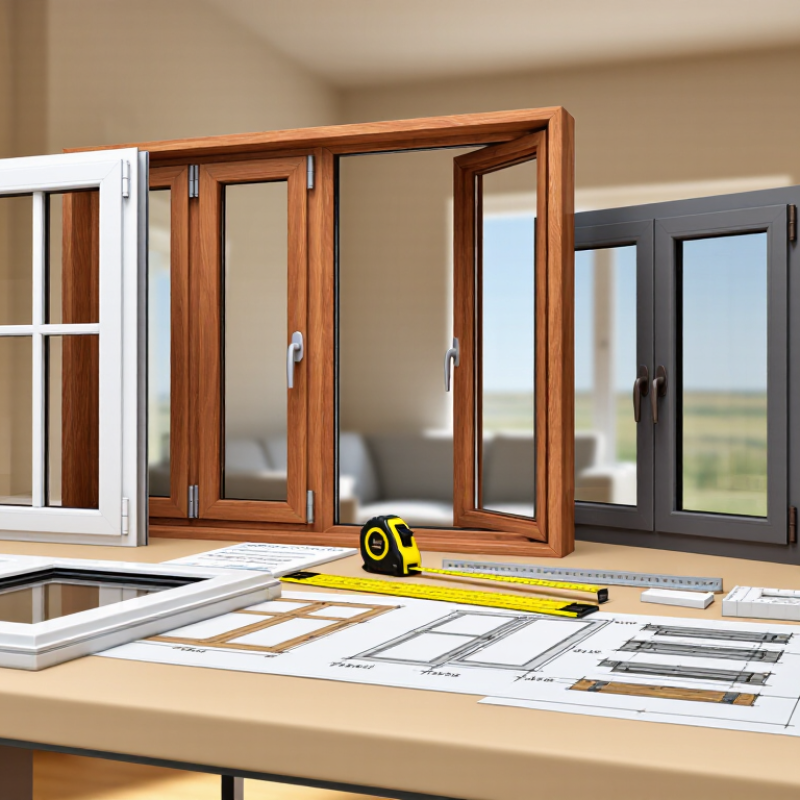
A useful window replacement estimate describes the work, not just the final price. It should name the number of windows, their sizes, frame materials, and glass options, such as double-pane units. Measurements matter. Ask whether the contractor measured each opening or used approximate dimensions. The estimate should also explain whether the price covers removing old windows, installing the new units, and hauling away debris.
Look for separate costs for materials and labor, along with any listed taxes or delivery fees. Installation details are important: does the work include insulation around the frame, exterior sealing, and interior trim repair? A vague line such as “installation included” leaves room for different expectations. Ask what happens if the installer finds a damaged sill or hidden rot after removal. That repair may change the price, and the estimate should explain how changes are approved.
The document should state the expected start date, approximate duration, payment schedule, and any workmanship or product coverage. Compare estimates by matching the scope, not just the totals; one may include disposal while another does not. Keep a copy of any revised estimate. Even careful measurements can miss an uneven opening, and a written estimate is not a guarantee that every hidden condition has been found.
A useful window replacement estimate records more than one width and height. The estimator should measure each opening at the top, middle, and bottom, then note the smallest readings and the measurement method. Height is checked at the left, center, and right. These details help account for openings that are slightly out of square. Close, but not perfect. The written record should identify whether the job uses an insert or a full-frame replacement, since the installation approach affects what gets measured and retained. Photos of the sill, trim, and any visible damage can clarify conditions that numbers alone miss.
Product specifications should connect each opening to its proposed window type, frame material, glass configuration, and operating style. The estimate can also list National Fenestration Rating Council (NFRC) ratings, including U-factor and solar heat gain coefficient, so proposed products can be compared using standardized measures. The U.S. Department of Energy’s Energy Saver guidance reports that heat gain and loss through windows account for about 25–30% of residential heating and cooling energy use. That makes accurate product details more than paperwork. Still, field notes are not infallible; unusual jambs or hidden trim can complicate measurements. Ask the estimator to flag uncertainties and explain how final sizing will be confirmed before ordering.
A window replacement estimate should explain what the installation labor covers, not just list a total. Labor may include measuring the opening, removing the old sash or frame, setting the new unit, and checking that it opens and locks properly. The crew may also use shims to keep the window level and seal gaps with insulation and exterior sealant. These steps matter. A rushed installation can leave drafts or uneven operation.
Removal services often include protecting nearby floors and furniture, taking out the existing window, and carrying debris away from the work area. Ask whether disposal fees are included. Some estimates cover only the window and basic cleanup, while others include hauling the old unit off-site. Broken glass, lead-safe procedures in older homes, or difficult access may require added labor. Details vary by home and project.
The estimate should also describe what happens if the installer finds rot or water damage after removing the frame. Repairing a soft sill or damaged trim may not be part of the original price. I have seen this distinction cause confusion: “removal” does not always mean “repair.” Ask for any likely extra work to be priced separately, and confirm who handles interior trim, exterior casing, and final cleanup. A clear scope makes comparisons more reliable.
A window replacement estimate may list materials beyond the new window itself. Look for flashing, a sill pan, insulation, sealant, and interior or exterior trim. These items help manage water and air leaks, but the estimate should explain what is included. Some contractors include them in one package price; others list each item separately. Small details matter. Check whether disposal of old windows, delivery, and basic cleanup are included, too.
Fees can include permit costs, equipment for upper-floor access, or extra labor for difficult removal. Taxes may appear as a separate line. If the installer finds rot or damaged framing after removing the old window, repairs could cost extra. A careful estimate should describe how that work will be priced, rather than treating every unknown as a fixed charge. I have seen small trim repairs change the final bill, so ask what assumptions the estimate makes.
Tips: Ask for quantities, labor rates, and any allowances in writing. Confirm whether disposal and cleanup are included. If a fee is unclear, ask for a plain-language explanation before approving the work. Estimates are not always perfectly comparable; one may include materials another leaves out. That deserves a closer look.
Illustrative cost ranges for common items on a per-window estimate (USD).
Estimates may list the window and installation separately, along with materials such as trim and flashing, plus disposal or permit fees. Actual costs vary by window type, project scope, and location.
A window replacement estimate should separate the window unit from labor, removal, disposal, and finishing work. Check whether measurements cover each opening and whether the quoted glass, frame material, and operating style match your needs. Ask about trim repair, flashing, insulation, and interior touch-ups; these details can change the final price. A low total may simply leave work out. Read every line.
Compare estimates with the same scope, not just the final number. Confirm whether taxes, permits, delivery, and cleanup are included, and ask how unexpected damage is priced. A rotted sill behind old trim, for example, may require an approved change order. This question is easy to overlook when a quote looks tidy.
Review warranty terms for separate coverage of product parts, labor, and installation. Note the start date, exclusions, maintenance requirements, and who handles a service request. Ask what happens if a seal fails or a sash becomes difficult to operate. Get answers in writing, along with the payment schedule, estimated start and completion dates, and any cancellation or change terms. If a phrase feels vague, pause and ask for a plain-language explanation before signing. Estimates are not perfect forecasts; site conditions can surprise even careful crews. Discuss remaining uncertainty before work begins.
Example itemized estimate for replacing eight standard-sized windows in an existing home.
| Estimate item | Example quantity or basis | Illustrative amount | What to review in the estimate |
|---|---|---|---|
| Window units | 8 units × $650 | $5,200 | Confirm the quantity, dimensions, frame material, glass type, operation style, color, and included hardware. Check that each opening is listed accurately. |
| Removal and installation labor | 8 openings × $250 | $2,000 | Ask whether the price covers removal of existing units, fitting and fastening the replacements, insulation, and interior and exterior sealing. Clarify any labor exclusions. |
| Flashing and water management | 8 openings × $75 | $600 | Check whether flashing, sealants, and integration with the existing weather barrier are included. Ask how concealed water damage or rotted framing will be handled and priced. |
| Interior and exterior trim work | 8 openings × $85 | $680 | Verify which trim materials and finishing work are included, such as capping, caulking, painting, or touch-ups. Existing trim repairs may be excluded or charged separately. |
| Removal and disposal | 8 existing windows × $30 | $240 | Confirm that old windows, packaging, and job debris will be removed from the property, and ask whether disposal fees or hazardous-material handling are excluded. |
| Permit allowance | One project allowance | $150 | Ask whether a permit is required locally, who obtains it, and whether the allowance is a fixed fee or an estimate that may change after the actual permit cost is known. |
| Example subtotal | Before applicable taxes or adjustments | $8,870 | Compare the scope and quantities—not just the bottom-line total—when reviewing competing estimates. Confirm how taxes, payment fees, and change orders are handled. |
| Product warranty | Terms vary by product and provider | Included terms should be stated | Request the written warranty and review coverage length, covered components, exclusions, transferability, and whether labor is covered for warranty repairs. Do not rely on verbal descriptions. |
| Installation workmanship warranty | Terms vary by contractor | Included terms should be stated | Check the coverage period, what installation issues are covered, how to submit a claim, and whether service calls or replacement labor incur additional charges. |
| Schedule and payment terms | Dates and milestones stated in writing | Project-specific | Look for the estimated start and completion dates, deposit and progress-payment schedule, cancellation terms, expiration date of the estimate, and written approval requirements for changes. |