2025 How to Use a Window Replacement Cost Estimator for Accurate Pricing
In today's fast-paced real estate market, homeowners are increasingly seeking ways to enhance their property's value and energy efficiency. One significant factor contributing to these improvements is the replacement of aging windows. According to the National Association of Realtors, nearly 95% of real estate professionals believe that new windows can improve the marketability of a home, making it crucial for homeowners to understand the financial implications of such projects. To ensure a successful window replacement project, utilizing a window replacement cost estimator can provide valuable insights into budgeting and potential return on investment.
Manufacturers and contractors agree that the average cost of window replacement can vary dramatically based on factors such as window type, material, and labor costs. Recent industry reports suggest that homeowners can expect to spend anywhere from $300 to $1,000 per window, making an accurate cost estimation essential for effective financial planning. Utilizing a window replacement cost estimator not only helps in determining upfront costs but also assists in identifying possible energy savings over time, which can further justify the investment in new windows.
By leveraging the power of a window replacement cost estimator, homeowners can make informed decisions that align with their financial capabilities and home improvement goals. As the demand for energy-efficient and aesthetically pleasing windows continues to rise, understanding how to navigate cost estimation tools becomes increasingly important for making wise investment choices.

Understanding the Importance of Window Replacement Cost Estimators
When considering a window replacement, understanding the costs involved is crucial. This is where window replacement cost estimators come into play. These tools provide homeowners with a detailed overview of possible expenses, helping them make informed decisions that fit their budget. By taking into account factors such as window materials, sizes, and installation complexities, cost estimators can vary in accuracy. Therefore, selecting a reliable estimator is essential for effective financial planning.
Here are some tips to ensure you get the most accurate estimation. First, gather multiple quotes from different estimators to compare costs. This not only highlights competitive pricing but also uncovers variations in service offerings. Next, provide thorough information about your existing windows and desired replacements to enhance accuracy. Include dimensions, preferred styles, and locations, as even slight discrepancies can lead to significant differences in the final cost. Lastly, factor in additional expenses like labor, removal of old windows, and potential upgrades to ensure your estimate encompasses all aspects of the project.
2025 Window Replacement Cost Estimator Comparison
This bar chart illustrates the average costs of different types of window replacements in 2025, providing homeowners with a reference for budgeting their projects.
Key Factors Influencing Window Replacement Costs
When considering window replacement, understanding the key factors influencing costs is essential for accurate budgeting.
First, the type of window selected significantly impacts the overall price. Options range from standard double-hung windows to custom installations featuring energy-efficient materials, each offering different benefits and price points. Brands and materials can vary dramatically, with vinyl windows generally being more affordable compared to wooden or fiberglass options.
Another crucial factor is the size and number of windows being replaced. Larger windows or those that require structural modifications can increase labor and material costs. Additionally, regional differences in labor rates and local building codes can affect the final price of the project. Homeowners should also consider the timing of the replacement; demand can fluctuate seasonally, potentially leading to variations in installation costs. Utilizing a window replacement cost estimator that accounts for these factors can help in obtaining a more accurate pricing forecast, ensuring that homeowners make informed decisions.
Step-by-Step Guide to Using a Window Replacement Cost Estimator
Using a window replacement cost estimator can significantly aid homeowners in budgeting for their renovations. Start by gathering essential measurements of your windows, including height, width, and the number of windows you plan to replace. Accurate measurements are crucial, as they directly affect the cost estimation. Once you have this information, you can input it into the cost estimator tool, which will provide a range of prices based on factors such as window type, material, and installation complexity.
Next, consider the different types of windows available, as each type influences both aesthetics and performance. Whether you’re opting for vinyl, wood, or fiberglass windows, knowing your material options can help you refine your estimate. Additionally, factor in any potential extras like installation fees, energy efficiency upgrades, or custom features. After inputting all necessary data into the estimator, analyze the results and compare them with local contractor quotes to ensure you are getting accurate and competitive pricing for your window replacement project.
Common Mistakes to Avoid When Estimating Window Replacement Costs
When estimating window replacement costs, it's crucial to avoid common pitfalls that can lead to inaccurate pricing. One major mistake is overlooking the importance of comprehensive measurements.
Inaccurate measurements can result in purchasing the wrong size windows, ultimately driving up costs due to additional modifications or replacements. Additionally, failing to account for potential hidden expenses, such as the need for structural repairs or upgrades, can lead to unexpected financial strain.
Another frequent error is not considering the long-term implications of window choices. Homeowners might focus solely on upfront costs and select lower-quality materials or installation services that could result in higher maintenance costs down the line.
It's essential to balance initial expenses with durability and energy efficiency, as this can significantly impact your home's long-term value and comfort.
By being aware of these common mistakes, you can approach the window replacement process with a more informed perspective, leading to a more accurate and beneficial investment.
How to Compare Estimates for Optimal Budget Planning
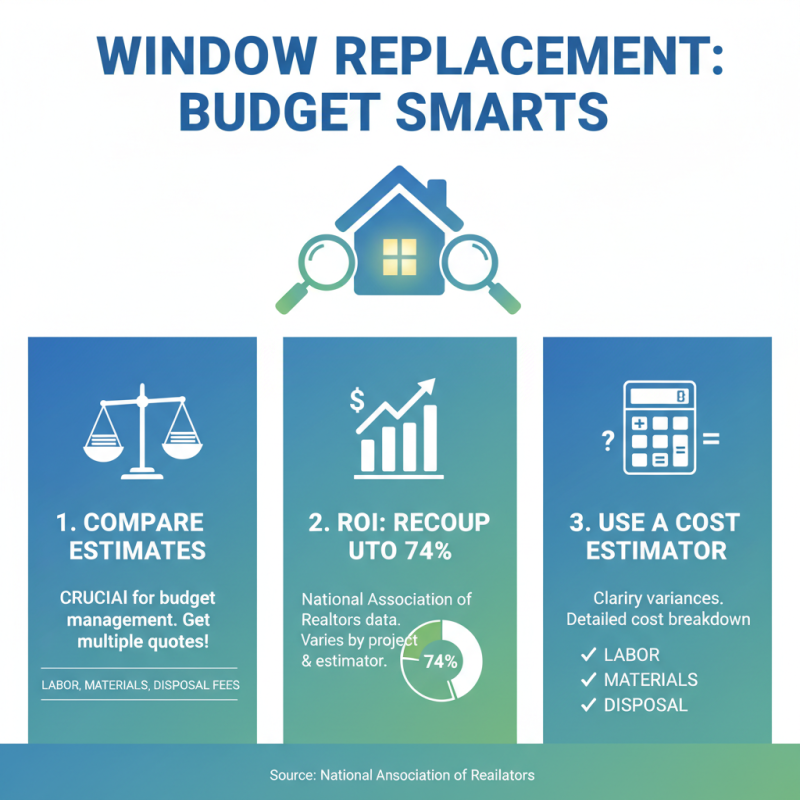
When planning a window replacement project, comparing estimates is crucial for effective budget management. A report from the National Association of Realtors indicates that homeowners can recoup about 74% of the cost when replacing windows, but this can vary significantly based on the estimator used and the specifics of the project. Utilizing a window replacement cost estimator can help clarify these variances, providing a comprehensive breakdown of labor, materials, and disposal fees.
To optimize budget planning, it's essential to gather multiple estimates from different contractors. This allows homeowners to identify discrepancies and understand the market average. According to Remodeling Magazine's Cost vs. Value report, the national average cost of window replacement sits at approximately $15,000, but local market conditions can cause this price to fluctuate. By carefully reviewing these estimates and seeking detailed explanations for each line item, homeowners can make informed decisions that align with their financial objectives while ensuring project quality.