What is Window Replacements and Why Are They Important for Your Home
Window replacements are essential updates for any home. They go beyond aesthetics; they improve energy efficiency. Old, drafty windows can lead to higher utility bills. Homeowners might underestimate their importance, thinking it’s just about looks. But with modern technology, window replacements offer significant benefits.
Installing new windows can enhance security and comfort. They create a barrier against noise and harsh weather. Many also come with energy-efficient features that pay off in the long run. However, choosing the right windows isn’t always easy. Homeowners often face confusion over styles and materials, which can lead to mistakes.
Reflecting on previous experiences can help. Did past choices lead to leaks or drafts? Window replacements demand careful thought. An informed decision can bring lasting satisfaction. Investing in the right windows transforms a house into a cozy home.
What Are Window Replacements?
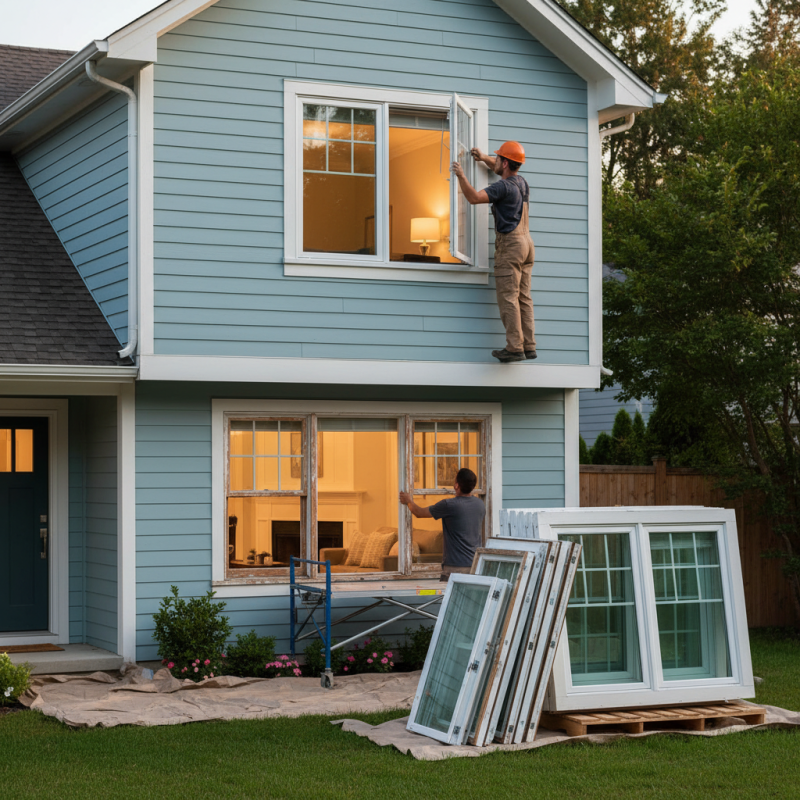
Window replacements refer to the process of removing old windows and installing new ones. This upgrade can significantly enhance the aesthetics and performance of your home. New windows can improve energy efficiency, leading to lower utility bills. They can also enhance your home's curb appeal.
When choosing window replacements, consider the materials. Options include vinyl, wood, and fiberglass. Each has its pros and cons. For example, wood windows deliver a timeless charm but require regular maintenance. Vinyl windows are low maintenance, yet they may lack the same character.
**Tip:** Always measure your windows accurately. Incorrect measurements can lead to wasted resources and increased costs.
Another aspect to consider is the style of the windows. Different styles can influence both functionality and appearance. Double-hung windows can provide excellent ventilation. Casement windows offer unobstructed views.
**Tip:** Research local building codes. Some areas have specific regulations for window replacements. Ignoring these can lead to unnecessary headaches down the line.
Finally, focus on energy efficiency ratings when selecting new windows. Look for windows with good thermal performance. This investment not only benefits your home but also contributes to environmental sustainability.
The Benefits of Replacing Windows in Your Home
Replacing windows in your home brings numerous benefits. According to the Department of Energy, windows account for 25-30% of residential energy use. By opting for replacements, homeowners can significantly enhance energy efficiency. New windows can lower heating and cooling costs by 10-25%. This is vital as energy prices continue to rise.
Aesthetic improvements also play a crucial role. Fresh windows can give a home a modern look. Research suggests that new windows can increase home resale value by up to 70% of their initial cost. Families often overlook the impact of curb appeal. Eye-catching windows can transform a house into a more inviting space.
Furthermore, replacing old windows can enhance comfort. Drafty windows lead to inconsistent temperatures indoors. Properly sealed replacements can eliminate these issues, improving overall indoor air quality. Unfortunately, some homeowners delay this upgrade due to costs. Yet, the long-term savings and benefits often outweigh initial expenses. Investing in new windows is not just about appearance; it’s a smart financial decision as well.
What is Window Replacements and Why Are They Important for Your Home - The Benefits of Replacing Windows in Your Home
| Benefit |
Description |
Impact on Home |
| Energy Efficiency |
New windows provide better insulation, reducing heating and cooling costs. |
Lower energy bills and improved comfort. |
| Curb Appeal |
Modern windows enhance the exterior appearance of your home. |
Increased property value and attractiveness to potential buyers. |
| Noise Reduction |
Double or triple-pane windows can significantly reduce outside noise. |
Improved comfort and peaceful living environment. |
| UV Protection |
Modern windows often include UV-blocking coatings to protect furniture and flooring. |
Preservation of interior decor and reduced fading. |
| Increased Safety |
New locking mechanisms provide greater security against break-ins. |
Enhanced peace of mind and protection for occupants. |
Key Factors to Consider When Choosing Replacement Windows
Choosing replacement windows can feel overwhelming. You must consider several key factors. Start with
energy efficiency. Look for windows that provide insulation against heat loss or gain.
Poorly insulated windows can increase your energy bills significantly.
Another important aspect is the material. Common choices include vinyl, wood, and fiberglass. Each material has its pros and cons. Vinyl is low-maintenance but may lack the aesthetic appeal of wood. Wood offers beauty but requires regular upkeep. Weigh these options based on your lifestyle and preferences.
Don't overlook style and design. Replacement windows should complement your home’s architecture. Consider the window style that fits best, such as casement or double-hung. Additionally, think about color and finish to enhance curb appeal. Remember, window upgrades are an investment that impacts your home’s value.
Tips: Always check local building codes when installing new windows. It’s easy to overlook regulations. Also, get multiple quotes from contractors. You might find significant price differences.
Understanding the Window Replacement Process
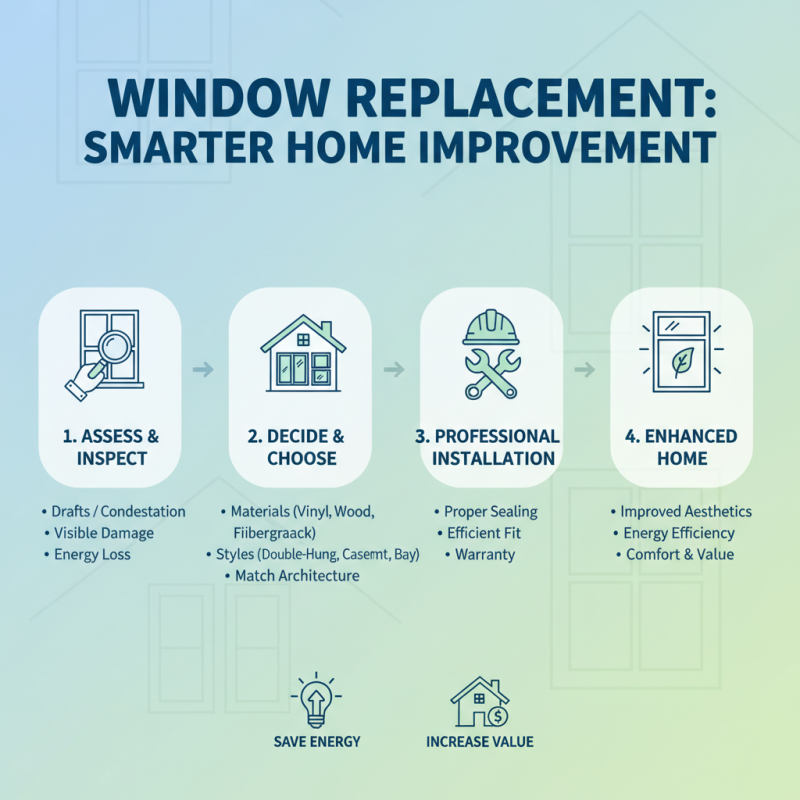
Window replacement is a vital home improvement that can enhance both aesthetics and energy efficiency. The process begins with assessing current windows. You might notice drafts or condensation. These are signs that a replacement is needed. A thorough inspection will help identify which windows should go. Choose appropriate materials and styles that match your home’s architecture.
Once you decide on new windows, planning the installation is key. Expect to measure existing openings. Precise measurements ensure the new windows fit properly. Having a well-defined timeline can reduce mess and confusion. During installation, there may be unexpected challenges. For example, some windows might require additional framing. This could delay the project but can improve overall results.
After installation, take time to inspect the work. Look for gaps or misalignments. It’s essential to address these issues early. Proper sealing prevents future problems like leaks or insect infestations. Window replacements can be a complex undertaking, but the results often lead to improved comfort and style for your home. Reflection is necessary throughout the process to ensure each step leads to the desired outcome.
Common Materials Used in Window Replacements
When considering window replacements, material choice is crucial. Common options include vinyl, wood, and fiberglass. Vinyl windows are popular due to their low maintenance. They resist moisture and don’t need painting. However, they can lack the charm of traditional materials. Some may find them too plain.
Wood windows provide natural beauty. They can be customized to fit any aesthetic. Yet, wood requires regular upkeep. It can warp or rot if not properly maintained. Many homeowners underestimate this need. Fiberglass is another great choice. It is strong and energy-efficient. But, it is often more expensive upfront.
Each material has its pros and cons. Choices depend on budget, climate, and personal preference. A beautiful window can enhance your home’s appearance. Yet, durability should not be overlooked. Careful thought is necessary for lasting satisfaction.
Common Materials Used in Window Replacements