Why You Should Consider Window Replacements for Energy Efficiency and Home Value
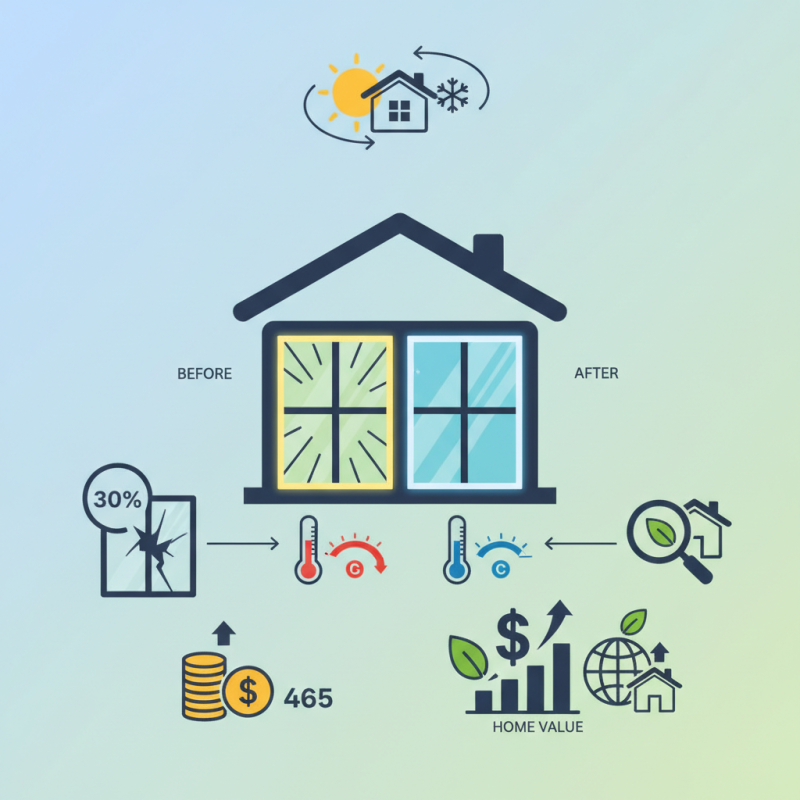
As energy efficiency becomes a priority for homeowners, window replacements emerge as a critical consideration in both enhancing home value and reducing energy costs. According to the U.S. Department of Energy, roughly 30% of a home’s heating and cooling energy can be lost through inefficient windows. This issue is not only a matter of comfort; it translates into significant financial implications, with the potential for homeowners to save an estimated $465 annually on energy bills when upgrading to energy-efficient windows.
Industry expert Tom Johnson, a leading figure in the window compliance sector, emphasizes the importance of this investment, stating, "Upgrading your windows is one of the most effective ways to not only boost energy efficiency but also elevate your home’s market value." The American Council for an Energy-Efficient Economy supports this view, noting that homes with high-performance windows can appreciate more significantly in a competitive market, positioning themselves as attractive options for eco-conscious buyers.
In light of these insights, window replacements stand out as a sensible investment for homeowners looking to enhance their property’s efficiency and market appeal. With increasing awareness of climate issues, making informed choices about home improvements can offer both environmental and economic benefits, making window replacements an essential topic of discussion in today’s real estate landscape.
Benefits of Energy Efficiency in Home Design
Energy efficiency plays a crucial role in modern home design, offering both environmental and financial benefits. According to the U.S. Department of Energy, energy-efficient homes can save homeowners an average of 20% to 30% on energy bills each year, translating to significant cost savings over time. This efficiency not only reduces utility expenses but also diminishes reliance on fossil fuels, thus contributing to a smaller carbon footprint. The initial investment in energy-efficient solutions, such as high-performance windows, can yield substantial returns, maximizing comfort while minimizing energy waste.
Moreover, energy efficiency can enhance overall home value. The National Association of Realtors reports that energy-efficient features are increasingly becoming a priority for homebuyers, with 80% indicating that energy efficiency is a significant consideration when purchasing a home. This trend is reflected in homes that have energy-efficient improvements, which can sell for up to 10% more than comparable homes lacking these features. By investing in energy-efficient designs, homeowners not only position themselves to save money but also increase the attractiveness of their property in an ever-competitive real estate market.
Impact of Window Replacements on Home Energy Costs
The energy efficiency of a home can be significantly enhanced through
window replacements, yielding substantial savings on monthly energy bills.
According to the U.S. Department of Energy, heat gain and loss through windows are
responsible for 25% to 30% of residential heating and cooling energy use. By upgrading to energy-efficient
windows, homeowners can reduce these costs by an estimated 15% to 30%. The installation of double or triple-pane windows with low-emissivity (Low-E) glass can improve insulation, effectively minimizing reliance on heating and cooling systems.
Furthermore, the impact of window replacements on home energy costs extends beyond immediate savings. A study by the
National Association of Realtors suggests that homes with energy-efficient
features, including new windows, can command higher market values, often recouping up to 70% of the investment upon resale. This increase in property value reflects an eco-conscious buyer's demand for sustainable living solutions. Thus, investing in energy-efficient window replacements not only leads to reduced utility bills but also enhances
the overall value of a property in today's competitive real estate market.
Enhancing Home Value Through Updated Windows
When considering home improvements, updating your windows can significantly enhance property value. Modern windows not only boost your home’s aesthetic appeal but also contribute to energy efficiency, making them an attractive feature for potential buyers. Energy-efficient windows help regulate indoor temperatures, reduce utility bills, and minimize environmental impact, all of which are appealing selling points.
Tips to consider when replacing windows for value enhancement include choosing energy-efficient models that comply with local building codes and energy standards. Ensure the windows are properly installed by a professional to prevent air leaks and maximize insulation. Additionally, select styles and materials that complement your home's architecture; this will not only enhance curb appeal but can also yield a higher return on investment.
Another crucial aspect is to focus on window features that boost security and functionality. Look for double or triple-glazed options, which provide better insulation and noise reduction. Also, consider adding features like UV protection and low-maintenance frames that attract buyers looking for convenience and durability. By investing in high-quality windows, you are not only improving your home's value today but also ensuring it remains competitive in the future real estate market.
Why You Should Consider Window Replacements for Energy Efficiency and Home Value
| Feature |
Benefits |
Energy Savings |
Average ROI (%) |
| Double Glazing |
Reduces heat loss, enhances comfort |
10-20% reduction in energy bills |
70-80% |
| Low-E Glass |
Blocks UV rays, protects interior |
15-25% reduction in energy bills |
75-90% |
| Vinyl Frames |
Low maintenance, good insulation |
5-15% reduction in energy bills |
65-75% |
| Impact-Resistant Windows |
Enhances safety, reduces noise |
10-15% reduction in energy bills |
60-70% |
| Energy Star Rated Windows |
High efficiency, eco-friendly |
20-30% reduction in energy bills |
80-90% |
Different Types of Energy-Efficient Windows Available
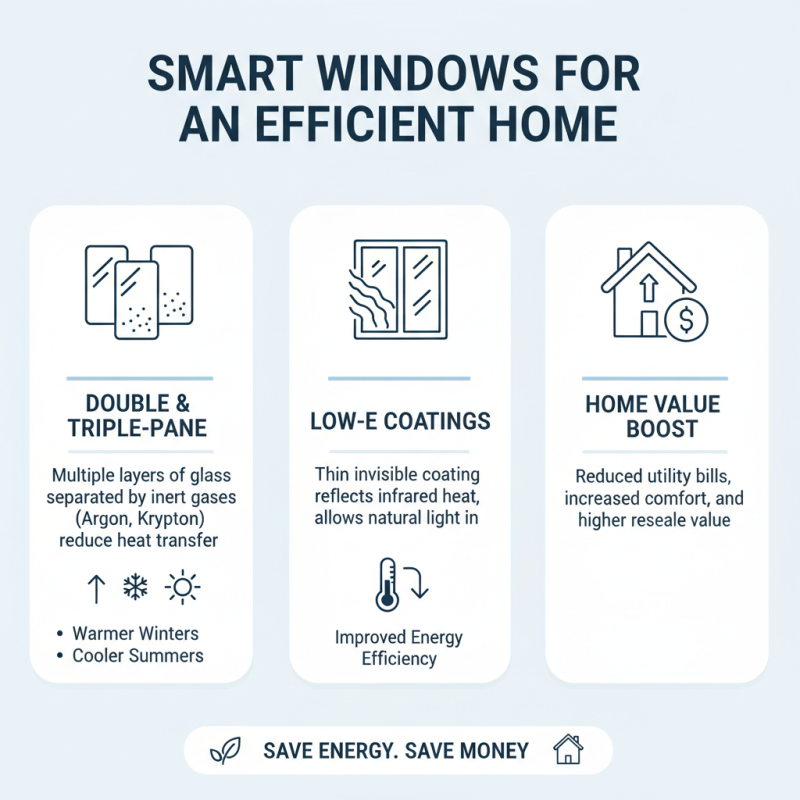
When considering energy-efficient windows, homeowners have a variety of options that can significantly enhance both their home’s energy performance and its market value. One popular type is double or triple-pane windows, which feature multiple layers of glass separated by inert gases. This design minimizes heat transfer, keeping your home warmer in the winter and cooler in the summer. Additionally, these windows often include low-emissivity (Low-E) coatings that reflect infrared light while allowing natural light to enter, further improving energy efficiency.
Another option is vinyl or fiberglass windows, which provide excellent insulation and require less maintenance than traditional wooden frames. These materials resist warping and cracking, ensuring longevity and sustained performance over time. Furthermore, opting for Energy Star certified windows not only supports the environment but may also qualify homeowners for local rebates or tax incentives.
**Tips:** When selecting energy-efficient windows, consider factors such as your local climate, architectural style, and installation costs. It's also beneficial to consult with a professional to evaluate the specific energy needs of your home. Regular maintenance, such as cleaning and inspecting seals, can help maximize their efficiency and lifespan.
Factors to Consider When Choosing Replacement Windows
When considering window replacements, energy efficiency and home value enhancement are at the forefront of many homeowners' minds. One of the primary factors to evaluate is the material of the windows. According to the U.S. Department of Energy, windows made from materials such as vinyl and fiberglass tend to offer better thermal performance compared to traditional wood windows. Vinyl windows, for instance, are noted for their energy efficiency, providing insulation that can reduce heating and cooling costs by up to 12%. This is particularly significant in climates with extreme weather, where maintaining consistent indoor temperatures is crucial for both comfort and budget.
Another essential factor is the type of glazing used in the windows. Double or triple-pane windows are recommended due to their superior insulating properties, effectively reducing energy loss. Energy Star reports indicate that replacing single-pane windows with high-performance double-pane ones can lead to energy savings of 18% to 24% in cold climates and 14% to 20% in warm climates. Furthermore, the inclusion of low-emissivity (Low-E) coatings can enhance energy efficiency by reflecting heat back into the home during winters and keeping it out during summers. These advancements not only improve energy efficiency but also boost the resale value of a home, making window replacement an investment that pays off in multiple ways.
Energy Efficiency and Home Value: Impact of Window Replacements