Top Windows and Doors Installation Tips for Your Home Improvement Project?
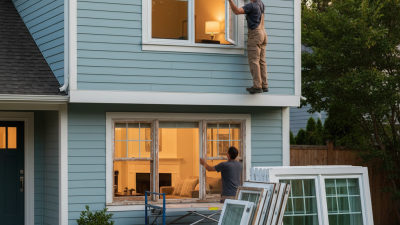
When embarking on a home improvement project, "windows and doors installation" is crucial. These elements not only enhance aesthetics but also improve energy efficiency. Choosing the right type is essential. You have options like double-hung, casement, or sliding windows. Each type has unique features and benefits. Doors come in various styles, too, from classic wooden ones to modern fiberglass designs.
Improper installation can lead to issues. Drafts and water leaks can occur if not done correctly. Homeowners often overlook these details. It’s crucial to plan thoroughly. Measure your spaces accurately, and consider hiring professional help if needed. Sometimes, budget constraints can pressure homeowners to DIY. This can lead to mistakes and regrets later.
In the end, investing time and effort in "windows and doors installation" pays off. A well-done job can transform your home. Reflecting on your choices throughout the process is key. Think about the long-term impact of your decisions.
Understanding Different Types of Windows and Doors for Home Improvement
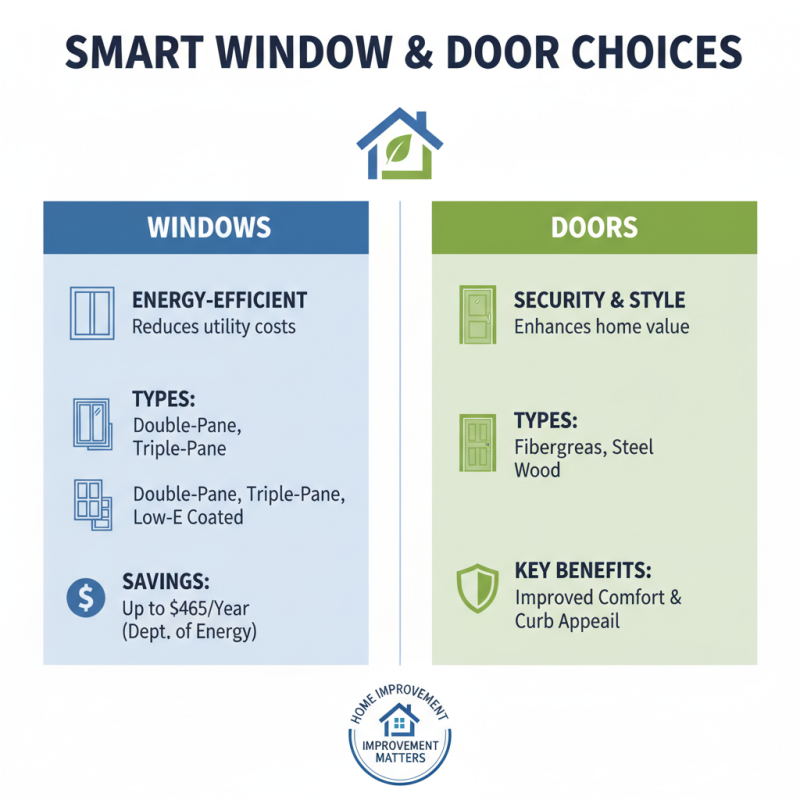
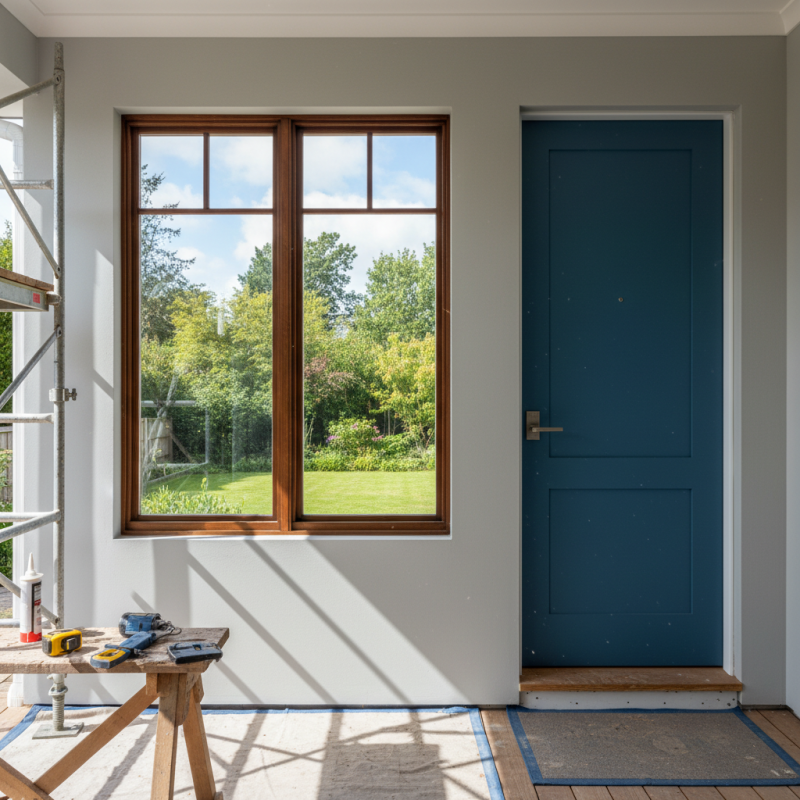
Choosing the right windows and doors is crucial for home improvement. Different types serve various purposes. For example, energy-efficient windows can significantly reduce heating and cooling costs. According to the Department of Energy, proper installation of energy-efficient windows can save homeowners up to $465 annually on energy bills.
When considering doors, material matters. Steel doors are robust but can be prone to rust in humid areas. On the other hand, wooden doors offer aesthetic appeal but require regular maintenance to avoid rot. A recent survey from the National Association of Realtors indicated that 76% of homebuyers consider quality windows and doors very important when choosing a home.
Many homeowners neglect the importance of style and function. Choosing a trendy design might seem appealing today, but it could become outdated quickly. Moreover, the installation process can reveal hidden issues, like structural damage or poor insulation. It often leads to unexpected costs and delays. Careful planning and consideration can help avoid such pitfalls.
Preparing Your Home for Installation: Key Steps to Take
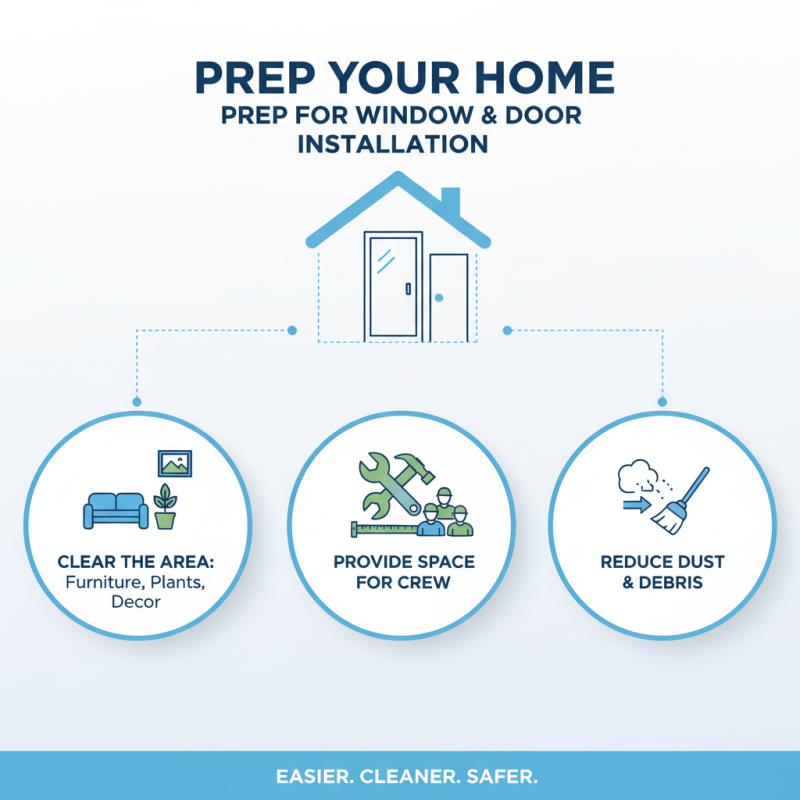
Preparing your home for window and door installation requires careful planning. Clear the area around the installation site. Move furniture, plants, and décor out of the way. This provides the crew with enough space to work. Dust and debris can also be reduced when items are moved out.
Check the weather forecast before the installation day. Rain or snow can cause delays. It’s best if the area is dry, as moisture can affect the installation quality. If you have plants outside, protect them from any potential damage. You might need extra tarps or blankets.
Communicate with your installer about any concerns. Describe specific issues with the old windows or doors. This feedback helps them understand your needs. Consider any home adjustments you may need afterward. Resealing and painting may be necessary, which can lead to unexpected challenges. Planning makes for a smoother process, yet mistakes can still happen. Be ready to adapt as needed.
Essential Tools and Materials Needed for Installing Windows and Doors
Installing windows and doors requires the right tools and materials. Start with a sturdy measuring tape. Accurate measurements are crucial for fitting. A level ensures your windows and doors are straight. Poor alignment can lead to issues later.
Next, consider your materials. You’ll need quality screws and shims. These help to secure and level your installations. A caulk gun is essential for sealing any gaps. This prevents drafts and moisture. Don't skimp on materials. Poor quality can lead to significant problems down the line.
Finally, a basic toolkit is essential. Include a hammer, utility knife, and a drill. These tools will help you tackle most tasks. While each step may seem simple, it's easy to overlook details. Reflect on your process to identify areas for improvement. Aim for precision to achieve lasting results.
Top Windows and Doors Installation Tips for Your Home Improvement Project
| Tool/Material |
Description |
Purpose |
| Measuring Tape |
A flexible ruler used to measure distances |
To ensure accurate dimensions for window and door frames |
| Level |
A tool for checking horizontal and vertical alignment |
To confirm that the window or door is square |
| Caulk |
A material used to seal joints and seams in various structures |
To prevent air and water leaks around windows and doors |
| Screwdriver |
A tool for turning screws |
To install or tighten hardware for doors and windows |
| Shims |
Thin pieces of material used to adjust the level of a door or window |
To ensure a proper fit and alignment during installation |
| Safety Glasses |
Protective eyewear designed to prevent injury |
To protect eyes from debris while working |
Step-by-Step Guide to Installing Windows for Optimal Performance
Installing windows properly is crucial for a home improvement project. Proper installation ensures energy efficiency, durability, and enhances overall aesthetics. According to a report by the Efficient Windows Collaborative, homes with well-sealed windows can save up to 15% on energy bills. This highlights the importance of attention to detail during installation.
Start by measuring the window openings accurately. An improper measurement can result in gaps and drafts. It’s essential to ensure that the sills are level, as this affects drainage and overall window performance. Use shims to adjust the window frame for a snug fit. Sealing gaps with weatherstripping or caulk can further improve insulation. Remember, an unsealed window can lead to moisture problems later on.
When it comes to materials, consider using high-quality flashing. Inadequate flashing increases the risk of water damage. A study from the National Association of Home Builders found that improper installation is a common cause of window failures. It’s vital to double-check each step. Rushing through installation can lead to regrets down the line, so take your time for a lasting investment in your home.
Best Practices for Installing Doors: Ensuring Security and Aesthetics
Installing doors correctly is crucial for both security and aesthetics. A well-fitted door enhances your home’s appearance. It also deters unwanted intruders. Measure door frames accurately before purchasing. If the frame is uneven, adjustments may be needed. Sometimes, the gaps between the door and frame can be bigger than expected. These issues can affect both security and insulation.
When hanging a door, focus on alignment. It should swing smoothly without gaps. Use a level tool to ensure the door is straight. If it's off-kilter, the door may not close properly. Consider the type of hinges as well. They play a significant role in maintaining door function. Select hinges that can support the weight of the door, avoiding potential problems later.
Additionally, insulation around the door is often overlooked. Gaps may allow air to escape, increasing energy costs. Weather stripping is an easy fix for this. Another area to review is the door lock. High-quality locks offer better security. If the lock is flimsy, it might not secure the door effectively. Regular inspections of the door’s condition help identify issues before they become major problems.
Top Windows and Doors Installation Tips - Best Practices for Installing Doors