10 Best Residential Windows for Energy Efficiency?
Choosing energy-efficient residential windows can reduce drafts, improve comfort, and lower heating and cooling demands. Yet the best option depends on your climate, wall orientation, home age, and installation quality. A window that performs well in Minnesota may feel less suitable in Florida. That difference matters.
This guide examines ten strong window choices for energy-conscious homeowners. It considers U-factor, solar heat gain coefficient, visible light transmission, frame materials, glass packages, and warranty coverage. Low-E coatings can limit unwanted heat transfer while preserving useful daylight. Multiple panes can also create a quieter, more stable indoor space. Still, performance labels do not tell the whole story.
During real home upgrades, installers often find uneven openings, aging flashing, or moisture around the frame. Small gaps can weaken an otherwise excellent product. Proper measurement and sealing deserve equal attention. ENERGY STAR guidance and manufacturer data provide useful starting points, but independent advice remains valuable. Products change, and regional ratings can differ.
Look closely.
The list ahead compares practical strengths and possible weaknesses. Some windows offer excellent insulation but cost more upfront. Others provide attractive frames with less impressive thermal performance. I have also included considerations that are easy to overlook, such as maintenance, glass exposure, and replacement complexity. No window is perfect. Your home’s conditions should decide the final choice.
How Energy-Efficient Residential Windows Work
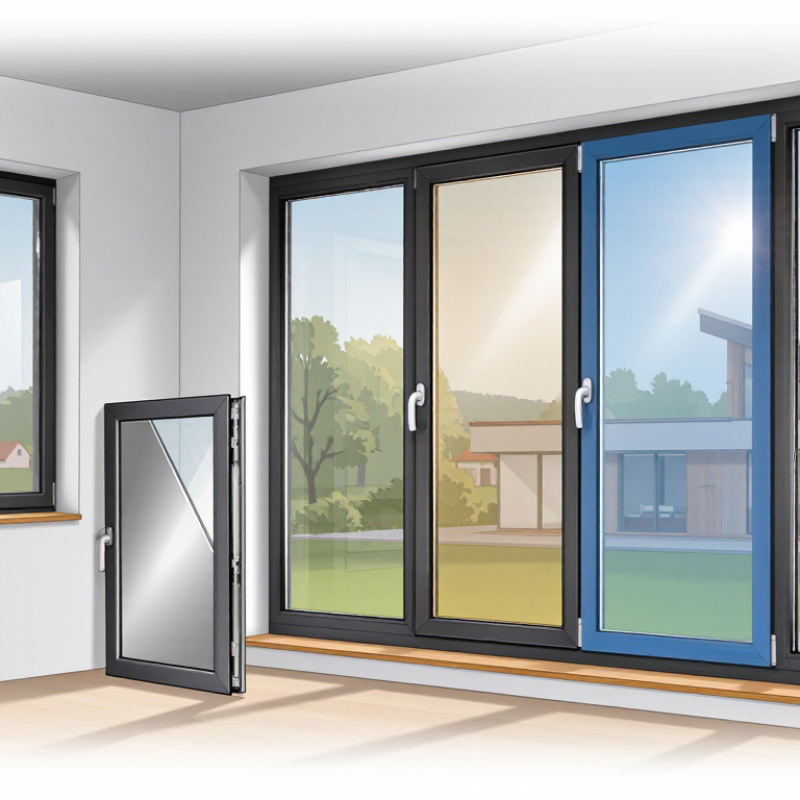
Energy-efficient residential windows slow heat transfer through glass, frames, and edge seals. In winter, they keep indoor warmth from escaping. In summer, they limit unwanted solar gain. The system is layered, not magical. A double- or triple-pane unit traps insulating gas between panes. Low-emissivity coating reflects radiant heat while still admitting daylight. This matters near a cold window seat.
During home assessments, I check the whole window, not glass alone. U-factor indicates heat flow; lower values generally mean better insulation. Solar heat gain coefficient shows how much sunlight becomes indoor heat. A cooler climate may benefit from higher solar gain on south-facing glass. A hot climate often needs lower solar gain. Frames also matter. Vinyl, fiberglass, wood, and composite materials conduct heat differently. Warm-edge spacers reduce heat loss around the perimeter.
Installation can weaken excellent specifications. Gaps around the frame create drafts, moisture, and noise. Proper shimming, air sealing, and flashing help the unit perform as tested. I have seen expensive windows underperform because openings were poorly prepared. That was a useful reminder: ratings cannot repair careless workmanship. Condensation still deserves attention. Brief moisture may be normal, but persistent water suggests high indoor humidity or a sealing problem. Choose windows by climate, orientation, ventilation, and installer skill, not by pane count alone.
Key Features That Improve Window Energy Performance
10 Best Residential Windows for Energy Efficiency?
Key Features That Improve Window Energy Performance
Window performance begins with the rating label, not the frame’s appearance. The U.S. Department of Energy reports that windows can cause 25% to 30% of residential heating and cooling energy use. Lower U-factor values reduce heat transfer. Lower values usually perform better in cold climates. Solar heat gain coefficient, or SHGC, also matters. A lower SHGC limits summer heat. In colder regions, moderate solar gain may provide useful winter warmth.
Low-emissivity glass reflects infrared energy while allowing daylight inside. Multiple panes create insulating air or gas spaces. Warm-edge spacers reduce heat loss around the glass perimeter. A tight frame limits drafts, but installation quality remains critical. The National Fenestration Rating Council evaluates U-factor, SHGC, visible transmittance, air leakage, and condensation resistance. These ratings help compare products without relying on sales language. Still, no window is perfect. A highly efficient unit can underperform when fitted poorly.
Tips: Match the U-factor and SHGC to your climate. Check the NFRC label before buying. Ask for installation details, including flashing and air sealing. Test the room afterward. A cold interior edge may reveal a hidden problem. Consider exterior shading too, especially on west-facing windows. The DOE notes that shading can reduce unwanted summer solar gain, but I would not treat it as a substitute for good glazing. Small gaps around the frame can quietly cancel expensive upgrades.
Comparing the Ten Best Window Types for Home Efficiency
10 Best Residential Windows for Energy Efficiency?
Choosing the best residential window depends on climate, orientation, ventilation needs, and installation quality. In home energy assessments, air leakage often matters more than a window’s style. Casement windows usually seal tightly because their sashes press against the frame. Awning windows offer similar performance and protect ventilation during light rain. Fixed picture windows can provide excellent insulation because they do not open. They work well beside operable units. However, they cannot supply fresh air.
Double-hung windows are practical for bedrooms and older homes, but their sliding seals may leak more air over time. Hopper windows suit basements and shaded areas, while sliding windows offer easy operation with moderate efficiency. Bay and bow windows add daylight and seating space, yet their wider frames create more installation points. A skylight can brighten a dark hallway, but poor shading may cause summer overheating. Glazing matters too. Low-emissivity coatings, warm-edge spacers, and double or triple panes can reduce heat transfer. The best choice is not always the thickest glass.
Check the U-factor, solar heat gain coefficient, visible transmittance, and air-leakage rating before buying. Lower U-factor generally means better insulation. South-facing windows may need controlled solar gain, while north-facing windows often benefit from higher daylight transmission. Frames also matter: insulated vinyl, fiberglass, wood, and composite materials perform differently. A small installation gap can defeat an expensive window. I have seen carefully selected units lose comfort because foam was missing around the frame. That detail deserves more attention.
Installation and Maintenance Practices for Long-Term Efficiency
Residential window efficiency depends on more than glass selection. The U.S. Department of Energy reports that windows can cause 25% to 30% of residential heating and cooling energy use. That loss often comes from air leakage, poor orientation, or damaged seals.
Installation quality matters.
Use the National Fenestration Rating Council label to compare U-factor, solar heat gain coefficient, and air leakage. Lower U-factor improves insulation, while a suitable solar heat gain coefficient controls unwanted summer heat. The frame must sit square, with continuous shims and sealed perimeter joints. Low-expansion foam can reduce drafts, but excessive foam may distort the frame. Follow the window manufacturer’s installation instructions and local building requirements.
The U.S. Department of Energy recommends careful flashing and drainage detailing around openings. A small gap near the sill can admit wind-driven rain for years. That problem is easy to miss during a dry inspection. Check weep paths, exterior sealant, and interior condensation each season. Clean tracks and drainage channels with a soft brush. Replace cracked sealant before moisture reaches the wall assembly.
ENERGY STAR guidance also emphasizes professional installation because product performance depends on the completed opening, not the window alone. In practice, installers may rush foam application or overlook uneven framing. That deserves scrutiny. Keep installation records, photographs, and maintenance dates. A yearly inspection takes minutes, yet neglected hardware and failed seals can quietly erase expected energy savings.
10 Best Residential Windows for Energy Efficiency
Representative whole-window U-factor values are shown in Btu/h·ft²·°F. Lower U-factor values indicate better resistance to heat transfer and improved insulation. Actual performance varies with frame material, glass area, spacer design, installation quality, and climate.
Installation and Maintenance Practices for Long-Term Efficiency
Choose a window with a low whole-window U-factor that suits the local climate, install it square and level with continuous air sealing around the frame, and use compatible flashing and insulation materials. Inspect exterior sealants, weatherstripping, drainage paths, and operating hardware at least annually. Repair air leaks, condensation problems, and damaged seals promptly to preserve energy performance.