
What Is the Best Type of Home Windows Replacement?
Choosing the best home windows replacement is not simply a matter of selecting the lowest price. The right windows should match your climate, home design, budget, and daily habits. A draft beside the sofa, fading wood floors, or rising energy bills can reveal that your existing windows are no longer performing well.
Homeowners usually compare vinyl, wood, fiberglass, and aluminum frames. Each material offers different strengths. Vinyl often provides affordable insulation and low maintenance. Wood adds warmth and traditional character, but it needs regular protection from moisture. Fiberglass can resist warping through seasonal temperature changes. Aluminum is durable, although it may transfer heat more easily without thermal breaks.
Glass selection matters just as much. Double-pane units suit many homes, while triple-pane glass can improve comfort in colder regions. Low-E coatings may reduce ultraviolet exposure and unwanted heat. Professional measurements are essential because even a high-quality window can leak air when installed poorly. An experienced contractor should explain U-factor, solar heat gain, warranties, ventilation, and local weather conditions in plain language.
There is no universal winner. A coastal home may need corrosion-resistant hardware, while a quiet bedroom near traffic may benefit from laminated glass. Sometimes replacement is not the only answer; repair may be more sensible. That judgment deserves care. This guide examines the main window types, performance features, installation concerns, and long-term costs, helping you make a practical decision rather than follow a fashionable trend.
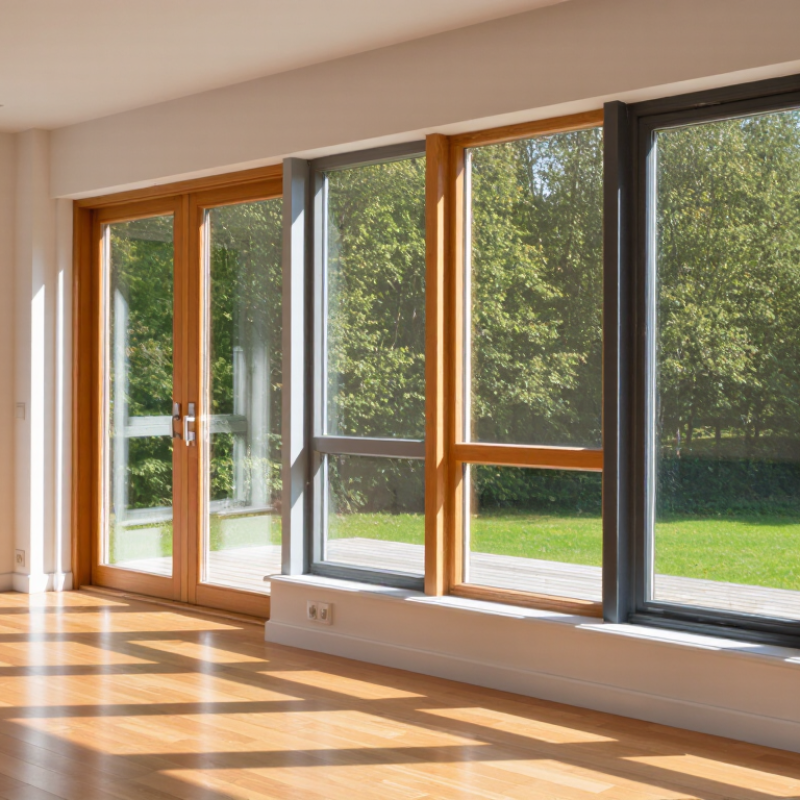
Types of Home Windows Replacement Materials and Styles
What Is the Best Type of Home Windows Replacement?
Types of Home Windows Replacement Materials and Styles
Choosing replacement windows depends on your climate, wall openings, maintenance habits, and budget. No single material fits every home. Vinyl frames are affordable, low-maintenance, and resistant to moisture. Fiberglass offers stronger performance and better dimensional stability. Wood provides natural warmth, but it needs regular sealing and careful inspection. Aluminum frames are slim and durable, although they may transfer heat more easily without thermal breaks.
Window style also affects daily comfort. Double-hung windows suit traditional rooms and allow easy cleaning. Casement windows open outward and catch more moving air. Sliding windows work well where exterior space is limited. Picture windows provide wide views but do not offer ventilation. Energy performance matters too. Check the U-factor, solar heat gain coefficient, air leakage rating, and glazing options before deciding. A lower price can become expensive if installation is poor. I have seen attractive windows underperform because installers ignored uneven openings.
Tips: Ask for a written measurement report. Compare certified performance data. Inspect the frame corners and locking points. Confirm local building requirements. Choose installation methods that control water and air leakage. Your preference may change after seeing samples in morning and afternoon light. That small detail is easy to overlook.
What Is the Best Type of Home Windows Replacement? - Types of Home Windows Replacement Materials and Styles
| Window Material | Typical Service Life | Energy Efficiency | Maintenance | Main Advantages | Best Use |
|---|---|---|---|---|---|
| Vinyl | About 20–40 years | Good; insulated frames and low-emissivity glass improve performance | Low; does not require painting | Generally affordable, moisture-resistant, and widely available | Budget-conscious replacements and humid climates |
| Wood | About 30–60 years with proper care | Very good; wood naturally limits heat transfer | High; exterior surfaces need regular sealing or painting | Natural appearance, repairability, and strong insulation | Traditional homes and design-focused renovations |
| Fiberglass | About 30–50 years | Very good; frames resist expansion and contraction | Low; usually needs only cleaning | Durable, dimensionally stable, and suitable for extreme temperature changes | Long-term installations and varied climates |
| Aluminum | About 20– cuarenta years | Moderate; thermal breaks and insulated glass are important | Low; resistant to warping and rot | Strong, lightweight, and allows narrow frame profiles | Large openings, modern designs, and mild climates |
| Composite | About 30–50 years | Very good, depending on frame construction and glazing | Low to moderate | Combines durability, insulation, and several appearance options | Homeowners seeking balanced performance and appearance |
Popular Home Window Replacement Styles
| Window Style | Opening Direction | Ventilation | Advantages | Common Considerations |
|---|---|---|---|---|
| Single-Hung | Bottom sash moves vertically | Moderate | Simple operation and usually lower cost | Only one sash opens for cleaning and airflow |
| Double-Hung | Both sashes move vertically | Good | Flexible ventilation and easier interior cleaning | More moving components may require adjustment over time |
| Casement | Hinged sash opens outward | Very good | Tight seal when closed and effective airflow when open | Requires exterior clearance and exposed hardware needs care |
| Awning | Hinged at the top and opens outward | Good | Can provide ventilation during light rain | Usually smaller and may project into walkways |
| Sliding | Sash moves horizontally | Moderate | Does not extend into exterior or interior space | Tracks should be kept clean for smooth operation |
| Picture | Fixed; does not open | None | Maximum daylight and unobstructed views | Must be combined with operable windows where ventilation is needed |
| Bay or Bow | Projects outward; may include fixed and operable units | Varies by configuration | Adds interior space, light, and architectural interest | Requires structural support, exterior clearance, and a larger budget |
Note: Service-life estimates vary with installation quality, climate, glass package, exposure, and maintenance. Actual energy performance depends on the complete window assembly, including frame, glazing, air leakage, and installation.
Related Posts
-
How to Replace Windows in a House in 2026?
-
China Best Cost of Window Replacement Guide for Homeowners?
-

How to Find the Best Windows Quote for Your Business Needs?
-
What is the Perfect Window Style for My House? A Guide to Your Options
-
10 Best Vinyl Windows for Energy Efficiency?
-
How to Choose the Right House Windows for Energy Efficiency and Style