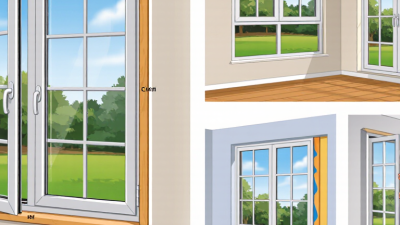
Getting a windows quote from China is not just a matter of comparing unit prices. A useful estimate depends on clear specifications: opening size, frame material, glass build-up, hardware, finish, quantity, and delivery destination. Small details matter. A 1.5-millimeter frame and a 2-millimeter frame may look similar in a photo, yet affect weight, performance, and cost. The supplier also needs to know whether measurements are for the window frame or the structural opening. That distinction is easy to miss.
Performance deserves equal attention. The United Nations Environment Programme and GlobalABC reported in the 2024 Global Status Report for Buildings and Construction that buildings accounted for 32% of global energy use and 34% of energy-related CO₂ emissions in 2022. Those figures make glazing and thermal performance practical questions, not decorative extras. Ask suppliers to state the glass configuration, relevant test results, and applicable product standards; then confirm that the documents match the quoted model. China’s General Administration of Customs reported total goods exports of RMB 23.77 trillion in 2023, showing the scale of its export economy, but scale alone does not verify any factory or product. A first quote may still omit packaging, inspection, or shipping assumptions. That is not enough. This guide explains what information to prepare, how to compare quotations fairly, and which details to confirm before placing an order. There is no perfect shortcut; careful checking can prevent expensive misunderstandings.

A useful quote starts with a clear window schedule, not a rough total. List each opening by room, quantity, and type, such as fixed, sliding, or casement. Add a simple sketch showing which way each sash opens. Small details matter. A kitchen window above a sink may need an easy-to-reach handle, while a bedroom window may need better sound control.
Give dimensions in one unit, and state whether they describe the frame or the wall opening. Record width and height for every unit, plus any unusual shapes or mullions. Measure twice. Existing openings are rarely perfectly square, so note visible differences and ask whether a site check is needed before production. A spreadsheet with one row per window helps prevent repeated sizes from being mistaken for identical units.
Performance requirements affect frame, glass, hardware, and price. Specify your preferred frame material and color, glass thickness, and whether you need double glazing, safety glass, or privacy glass. Share target thermal performance, sound reduction, and air or water resistance where available. If you do not know the exact ratings, describe the climate, floor level, and exposure to wind or traffic. The first specification may still be incomplete; mark uncertain items clearly so the supplier can identify assumptions rather than quietly pricing them as facts.
A useful window quote starts with clear, consistent project information. Send dimensioned drawings, elevations, and a window schedule showing each opening’s width, height, type, and quantity. Mark dimensions in millimeters or inches, and state which unit system you use. Include wall thickness, installation method, and any sill or frame details. Small details matter.
List performance requirements, such as glazing build-up, thermal targets, acoustic needs, finish, and hardware. Share the project location, building type, delivery destination, and target timeline. These details help suppliers assess packaging, shipping, and production needs. The 2018 FMI and PlanGrid report, Construction Disconnected, found that poor project data and miscommunication were linked to 48% of construction rework. Clear documents can reduce avoidable clarification and quoting errors, though they cannot replace technical review.
Tips: Use one schedule for every opening, label drawings with revision dates, and flag unanswered items. Keep it measurable. If a specification is still undecided, say so rather than guessing. A clean spreadsheet helps, but it may still miss a site condition; verify unusual openings with photos or a site check before requesting final pricing.
A reliable Chinese-window quote starts with comparable specifications, not a low headline price. Send each supplier the same schedule: window sizes, opening styles, glass build-up, finish, hardware, and destination climate. Ask about factory capacity, quality-control steps, and test reports for the exact profile and glass combination. UNEP’s Global Status Report for Buildings and Construction 2024/2025 estimates that buildings and construction account for 32% of global energy demand and 34% of CO2 emissions. Thermal performance deserves more than a brochure claim.
The U.S. Department of Energy estimates that windows account for 25–30% of residential heating and cooling energy use in the United States. Treat this as context, not a prediction for every climate. Compare U-factor, solar heat gain coefficient, air leakage, water resistance, and wind-load results. Check units and test standards; figures measured using different methods may not be comparable. Details matter.
One easy-to-miss gap is whether a test specimen matches the quoted product. Request the report number and configuration, then verify the frame, glass, and hardware against your order. Compare tooling, packaging, lead time, spare parts, and landed cost alongside unit price. A detailed quote may expose assumptions you had not considered. Price is only one signal.
Ask for a written quote that separates window costs from shipping charges. Include the quantity, exact width and height, frame material, finish, glass build-up, opening style, and hardware requirements. Attach drawings or clear photos with measurements. If the openings are not final, say so; estimates based on guessed dimensions can change later. Details matter.
Request prices by unit and total, with the currency, minimum order quantity, and quote validity period. Ask whether packing, samples, tooling, and any customization are included or charged separately.
For shipping, provide the delivery city and preferred method, then request the estimated freight cost, transit time, insurance details, and named delivery term. Clarify who handles export documents, import clearance, duties, and unloading. Do not guess. A low product price may look attractive while leaving major shipping costs unclear. Ask the supplier to list assumptions and exclusions in writing. Even a careful request can miss something, so compare the final quote against your drawings and delivery needs before approving production.
When requesting a window quote from China, send clear specifications and ask for a physical sample. Include frame dimensions, opening style, glass build-up, finish, hardware, and packing needs. For a fair comparison, request the same details from each supplier. Check the sample’s corner joints, drainage openings, gasket fit, and surface finish in daylight. Small details matter. A sample can look excellent while the production batch differs, so ask how the supplier controls consistency.
Request copies of relevant test reports and quality certificates, then confirm that their scope matches the quoted window system and your project requirements. A document alone proves little if it covers a different profile or glass configuration. Ask who issued it, when it was tested, and whether the report can be verified. It is easy to overvalue a tidy certificate folder; the match to your exact specification matters more.
Get lead times in writing, with separate estimates for sample approval, production, inspection, and shipping. Ask what could delay the schedule, such as custom colors or hardware availability. Delays happen. Clarify payment conditions, including deposit amount, balance timing, currency, bank charges, and any inspection milestone. Tie each payment stage to a clear deliverable, not a vague promise. Leave time to review the quotation carefully; small omissions are surprisingly easy to miss.