What Are the Top Types of Windows for My House?
Choosing windows for my house starts with more than picking a style. The right choice depends on each room, your climate, and how you use the space. Double-hung windows suit traditional rooms and allow ventilation from both sashes. Casement windows open wide, catching breezes beside a kitchen sink or dining nook. Sliding windows work well where a projecting sash could block a walkway. Picture windows frame a garden view, but they do not open. Bay windows add a bright seat or shelf, though they need more wall space and careful installation.
Small details matter. Think about cleaning, airflow, privacy, and energy performance before comparing finishes. A sunny bedroom may benefit from different glazing than a shaded hallway. In a rainy climate, an awning window can provide ventilation while limiting direct rainfall. Still, no single type solves every problem. Even an attractive window can feel wrong if it is hard to reach or leaves a draft near the sofa. That deserves a second look.
Architect Louis Kahn captured the value of daylight: “A room is not a room without natural light.” His words offer a useful lens for comparing windows for my house: consider what each opening brings into the room, not just how it looks from the street. The sections ahead explore popular window types, their strengths, and the trade-offs homeowners should weigh before choosing. Good light matters. So does everyday comfort.
What Defines a Type of Residential Window?
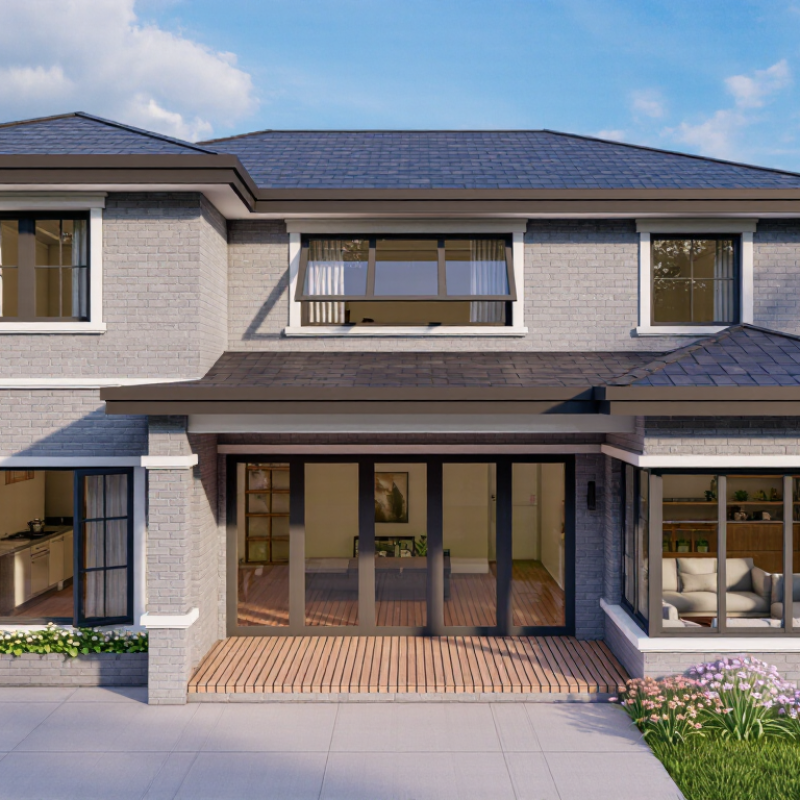
A residential window type is defined mainly by how its sash is arranged and moves, rather than by the glass alone. A casement window swings outward on side hinges. A double-hung window has two sashes that slide vertically, while a slider moves horizontally. A fixed window stays closed. Simple distinction.
The opening method affects ventilation, cleaning, and furniture placement. For example, an outward-opening casement may catch a breeze, but it needs clear space outside. A window above a kitchen sink may be easier to reach if its handle is low and its sash does not swing inward. Shape matters, too: bay and bow windows project from the wall, while a standard rectangular unit sits within it. Frame material, glazing layers, and hardware are important features, but they do not necessarily define the window’s operating type. In practice, labels can overlap, and product descriptions are not always consistent. Check how the sash moves, how much clear opening it provides, and whether the installed unit fits the wall opening before comparing options. A small detail, like a deep interior sill, can change how a window feels in daily use.
Which Window Styles Are Commonly Used in Homes?
Common home window styles include casement, double-hung, sliding, picture, and awning windows. Casement windows hinge at the side and swing outward, allowing a broad opening for fresh air. Double-hung windows have two sliding sashes, so you can open them from the top, bottom, or both. Sliding windows move horizontally and work well where an outward-opening sash would meet a walkway or patio furniture. Easy to recognize.
Picture windows stay fixed and bring in daylight and views, but they do not open for ventilation. Awning windows hinge at the top and open outward, often helping keep light rain out while letting air circulate. Bay and bow windows project from the wall, creating a wider interior nook. They can add visual interest, though they may need more structural planning. A style that looks right in a catalog may feel awkward beside a low sofa or crowded garden path.
Tips: Match the opening style to how you use the room. Check ventilation, cleaning access, and nearby obstructions before choosing. For example, an upstairs window that tilts inward may be easier to clean. Small details matter. And no single style suits every home.
What Are the Top Types of Windows for My House?
Common home window styles differ in how their panels open. This chart compares the number of operable sash panels in a representative configuration of each style.
A fixed window has no operable sash. Single-hung, casement, awning, and typical two-panel sliding windows have one; double-hung windows have two. Configurations can vary by product and size.
How Different Window Types Open and Operate
Window types are easiest to compare by watching how each sash moves. A double-hung window has two sashes that slide vertically, while a single-hung model usually opens only at the bottom. Some sashes tilt inward for cleaning, but check the hardware before assuming yours will. Small detail, big difference.
Casement windows pivot on side hinges and open outward with a crank. They can catch a breeze, though an open sash may interfere with a narrow walkway or nearby shrubs. Awning windows hinge at the top and push outward, leaving a sheltered opening below in light rain. They are not watertight, so exposed locations still need careful planning.
Sliding windows move horizontally along a track, making them useful where an outward-opening sash would hit a deck or path. Keep the track clear of dust; gritty buildup can make the panel harder to move. Fixed windows do not open at all, but admit light beside operable units. I would not choose by appearance alone. Consider where furniture sits, how you clean the glass, and whether the handle is comfortable to reach.
How Window Styles Affect Light, Ventilation, and Energy Use
Window style changes how daylight enters and where fresh air can move. A large picture window can brighten a dim living room, but it does not open. Pairing it with an operable window can add ventilation. A double-hung window opens at the top, bottom, or both, which can help warm air escape while cooler air enters. A sliding window is simple to operate, though only part of its frame opens. Small details matter.
Casement windows swing outward and can catch breezes, making them useful where airflow is a priority. Awning windows open from the bottom and can admit air during light rain, but their opening may feel limited. Think about the room’s use: a kitchen may benefit from easy-to-reach ventilation, while a bedroom needs a practical way to release heat at night. I would not choose by appearance alone.
Energy use depends on more than style. Glass type, frame quality, weather seals, installation, and local climate all affect heat loss and drafts. South- or west-facing windows may bring welcome winter sun, yet add unwanted summer heat without shading. Curtains help, but they cannot fix a poorly sealed frame. Compare the window’s published performance ratings, and check how it will be installed. Even a well-rated window can disappoint if air leaks around its edges.
How to Choose Window Types for Different Rooms
Room use should guide window choice more than appearance. In kitchens, casement or awning windows are practical above counters because they open outward and help release cooking heat. Bathrooms benefit from privacy glass and frames suited to damp conditions. For bedrooms, choose an operable style that is easy to reach and clean. A small detail matters: check where furniture, curtains, and handles will sit.
For living rooms, a fixed picture window can bring in broad daylight, while smaller operable windows add ventilation. Match the glass to the room’s sun exposure. The U.S. Department of Energy’s Energy Saver guidance estimates that heat gain and loss through windows account for about 25–30% of home heating and cooling energy use. That’s significant. Compare U-factor and solar heat gain coefficient (SHGC) ratings on the National Fenestration Rating Council label; lower U-factor generally means less heat transfer, while SHGC should suit local sun and climate. I would not choose by rating alone: a poorly placed window can still cause glare, cold drafts, or lost privacy. Check the room at different times of day, then confirm the opening and installation details with a qualified installer.