Why Is Home Windows Replacement Important for Global Buyers?
Buildings are under growing pressure to use less energy, improve comfort, and withstand changing climates. The United Nations Environment Programme reported that buildings and construction produced 37% of global energy-related carbon emissions in 2022. This makes home windows replacement more than a cosmetic upgrade for global buyers. It is a practical decision connected to energy performance, indoor comfort, and long-term property value.
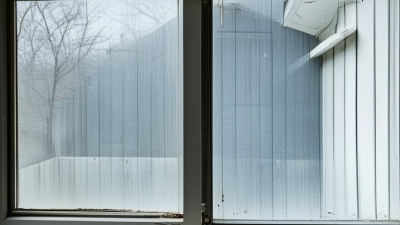
Windows influence how heat, light, noise, and outside air enter a home. The U.S. Department of Energy states that heat gain and loss through windows can account for 25% to 30% of residential heating and cooling energy use. A poorly sealed window may create a cold floor near the glass, visible condensation, or a constant street noise problem. Modern double- or triple-glazed units, low-emissivity coatings, warm-edge spacers, and insulated frames can reduce these weaknesses. However, product performance depends on climate and installation quality. A window selected for a cold region may perform poorly in a hot, sunny location.
Small details matter.
Global buyers should compare U-values, solar heat gain coefficients, air-leakage ratings, glazing thickness, and certified testing results. The International Energy Agency also emphasizes that building efficiency is essential for lowering energy demand and supporting decarbonization. Still, replacement is not automatically sustainable. Manufacturing, transport, disposal, and installation create environmental costs. A careful assessment of the existing frames, local weather, building orientation, and expected ownership period is necessary. Better windows can help, but they cannot correct every insulation or ventilation problem. That limitation deserves honest consideration.
The Meaning and Scope of Home Window Replacement
Why Is Home Windows Replacement Important for Global Buyers?
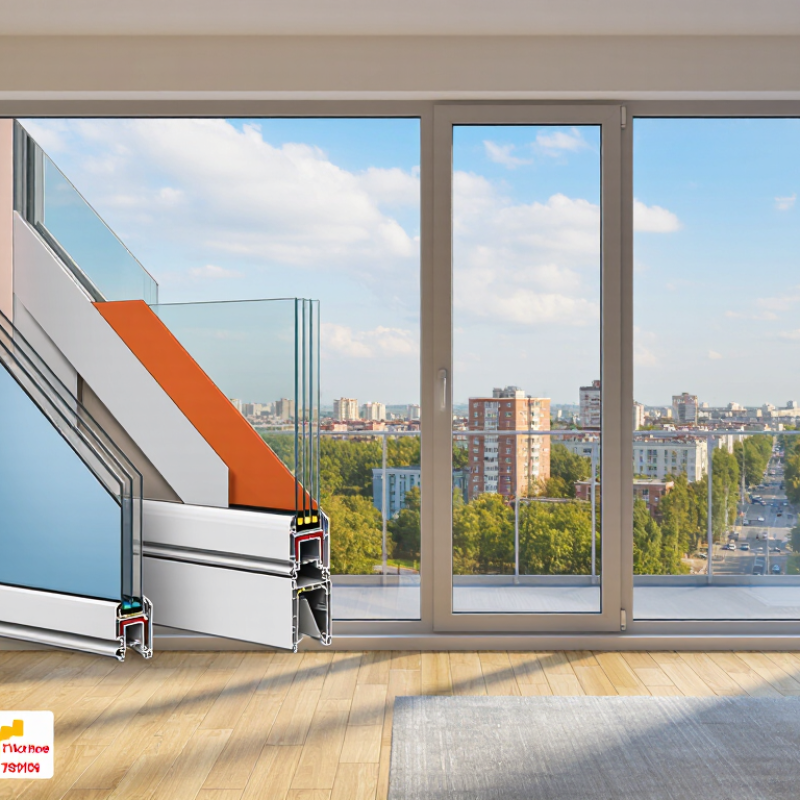
Home window replacement means more than removing old glass. It includes frames, seals, installation quality, ventilation, safety, and climate suitability. The U.S. Department of Energy reports that windows can account for 25–30% of household heating and cooling energy use. Poor seals may also create cold drafts, rain intrusion, and indoor condensation around the sill.
For global buyers, the scope changes with location. A coastal home may need corrosion-resistant frames and stronger water protection. A cold-climate property may require low U-factor glazing, while a hot region may benefit from a lower solar heat gain coefficient. Window labels commonly report U-factor, solar heat gain coefficient, visible transmittance, and air leakage. These figures help buyers compare performance instead of judging glass by appearance.
Replacement can also improve acoustic comfort and reduce maintenance. The International Energy Agency identifies buildings as a major source of global energy demand, making envelope upgrades increasingly relevant. However, replacement is not automatically efficient. An excellent window installed into a poorly prepared opening can still leak air. That is the uncomfortable part. Buyers should check local building codes, installation warranties, drainage details, and independent test data. Measurements should be taken at several points, not copied from an old quotation. A slightly imperfect fit can become a daily draft, especially beside a bedroom or home office.
Key Reasons Global Buyers Replace Their Home Windows
Why Is Home Windows Replacement Important for Global Buyers?
Global buyers replace home windows for practical reasons, not only appearance. Poorly sealed frames can create cold drafts, indoor condensation, and uncomfortable rooms. In colder regions, efficient glazing helps reduce heat loss during long winters. In warmer climates, suitable glass can limit solar heat and protect furniture from fading. Noise is another concern, especially for homes near airports, highways, or busy city streets.
Security and maintenance also influence replacement decisions. Older windows may have weak locks, damaged seals, or frames that swell after repeated moisture exposure. A professional inspection should check frame condition, drainage, glass performance, and installation quality. Local building codes matter too. A window suitable for a dry climate may perform poorly in coastal air or tropical rain. The calculation is rarely perfect. Energy savings depend on weather, ventilation, shading, and household habits.
Tips: Compare whole-window performance, not glass alone. Ask for documented thermal and safety ratings. Check whether replacement sizes fit existing openings accurately. Leave room for proper flashing and drainage. Do not choose the cheapest quote automatically. A detailed estimate should explain materials, labor, warranty terms, and disposal. Consider opening direction and emergency access before ordering. Small details matter. Inspect the finished seals after installation and keep photographs for future maintenance records.
Window Materials, Designs, and Performance Features
Why Is Home Windows Replacement Important for Global Buyers?
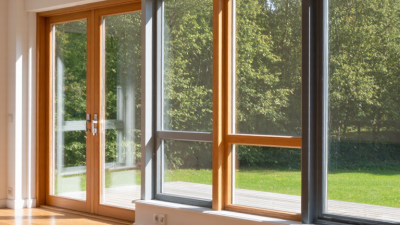
Window materials, designs, and performance features determine comfort, energy use, and maintenance. Vinyl frames resist moisture and usually need little upkeep. Aluminum frames offer slim sightlines, but thermal breaks matter in hot or cold climates. Timber adds warmth and repairability, although it needs regular sealing. Composite frames can balance stability, appearance, and insulation. No material wins everywhere.
Glass design is equally important. Double glazing suits many moderate climates, while triple glazing can reduce heat transfer in severe conditions. Low-emissivity coatings help control infrared heat. Argon-filled cavities may improve insulation. According to the U.S. Department of Energy, windows can represent 25–30% of residential heating and cooling energy use. The International Energy Agency reports that buildings consume about 30% of global final energy. These figures make window selection more than a style decision. NFRC ratings, including U-factor and Solar Heat Gain Coefficient, allow buyers to compare tested performance. However, a low U-factor alone can mislead. Orientation, shading, air leakage, and installation quality also change real results. I have seen attractive windows perform poorly after careless fitting.
Tips: Check local climate data before choosing glass. Ask for certified ratings, not vague efficiency claims. Inspect drainage paths and frame corners. Confirm the warranty terms. A slightly imperfect design may still work better when installed correctly.
Why Is Home Windows Replacement Important for Global Buyers?
Window materials and design features directly affect thermal performance, comfort, and long-term energy use. The chart compares representative whole-window U-factor benchmarks for double-glazed, low-emissivity windows. A lower U-factor indicates better insulation.
Representative values are shown in W/m²·K and are based on commonly published performance ranges for residential window systems. Actual results vary by glazing, frame design, spacer, installation quality, and climate.
How to Evaluate Windows for Different Climates and Homes
Why Is Home Windows Replacement Important for Global Buyers?
How to Evaluate Windows for Different Climates and Homes
Window evaluation should begin with the climate, not the frame color. In cold regions, choose low U-factor glass to reduce indoor heat loss. Warm climates often need a lower solar heat gain coefficient. This limits heat entering through sunny windows. Humid areas also require careful drainage and resistant seals. Small gaps can invite condensation, mold, and rising energy bills.
Consider the home’s structure and daily use. A coastal house may need strong wind resistance and corrosion-resistant hardware. A quiet urban apartment benefits from laminated glazing that reduces traffic noise. In older homes, uneven openings can make standard replacement units difficult to install. Measure width, height, wall depth, and sill condition at several points. One measurement is not enough.
Look beyond laboratory ratings. Ask for tested air leakage, water resistance, wind pressure, and thermal performance. Confirm that the values match the local climate and building requirements. Installation matters just as much as the product. Poor flashing can leak behind the wall, even when the window performs well in testing. I have seen attractive windows fail because installers ignored drainage paths. That mistake is easy to repeat. Buyers should also check warranty terms, maintenance needs, and access to replacement hardware. A highly efficient window may still disappoint if it is difficult to repair locally.
Installation, Costs, Maintenance, and Long-Term Value
For global buyers, window replacement starts with installation quality, not glass alone. The U.S. Department of Energy reports that windows can cause 25–30% of household heating and cooling energy use. Poor shimming, uneven reveals, or missing exterior flashing can erase much of the expected benefit. A careful installer checks wall openings, drainage paths, wind exposure, and local building requirements. Coastal homes may need stronger corrosion resistance, while cold regions often require better low-temperature sealing.
Costs vary sharply between markets. A realistic estimate should separate the unit, labor, removal, disposal, scaffolding, permits, and interior repairs. The 2024 Cost vs. Value Report found that replacement windows recover roughly two-thirds of their cost at resale in the United States. That figure is useful, but not universal. Currency changes, housing demand, and installation standards can alter the result. Cheap quotes can become expensive after hidden trim damage appears.
Maintenance is usually simple, but not optional. Clean drainage channels twice a year, inspect seals after severe weather, and lubricate moving hardware with a suitable product. Condensation between panes means the insulating seal may have failed. The National Fenestration Rating Council advises comparing tested performance ratings, not marketing claims. Energy savings also depend on curtains, ventilation, occupant habits, and climate. Numbers can mislead. A smaller, correctly installed window may outperform a larger premium unit installed badly.