A new window may look like a frame, a pane of glass, and a few hours of work. The real project often reaches beyond what you can see. Window replacements can involve custom measurements, removal of old units, careful installation, and repairs to trim or hidden framing. Not just glass. Each step affects the final price.
Materials are one part of the bill. Frame type, glass coatings, number of panes, and unusual shapes can raise costs. So can the home itself. A second-floor opening, an older wall, or a window that no longer fits squarely may require extra labor. Even a small discovery—soft wood beneath the sill, for example—can change the scope. That adds up. But not every expensive quote reflects the same work.
A reliable estimate should spell out the window specifications, labor, removal and disposal, and any expected repairs. Ask whether the quoted price includes interior or exterior trim, and whether installation details could affect the warranty. Compare estimates only when their scope is similar. A quick phone price may miss conditions that an in-person inspection would reveal. That distinction matters. Still, homeowners can overlook details too, especially when comparing only the total at the bottom of each page. Understanding what drives the cost makes it easier to judge whether a quote is thorough, where alternatives may exist, and which questions deserve a clear answer before work begins.
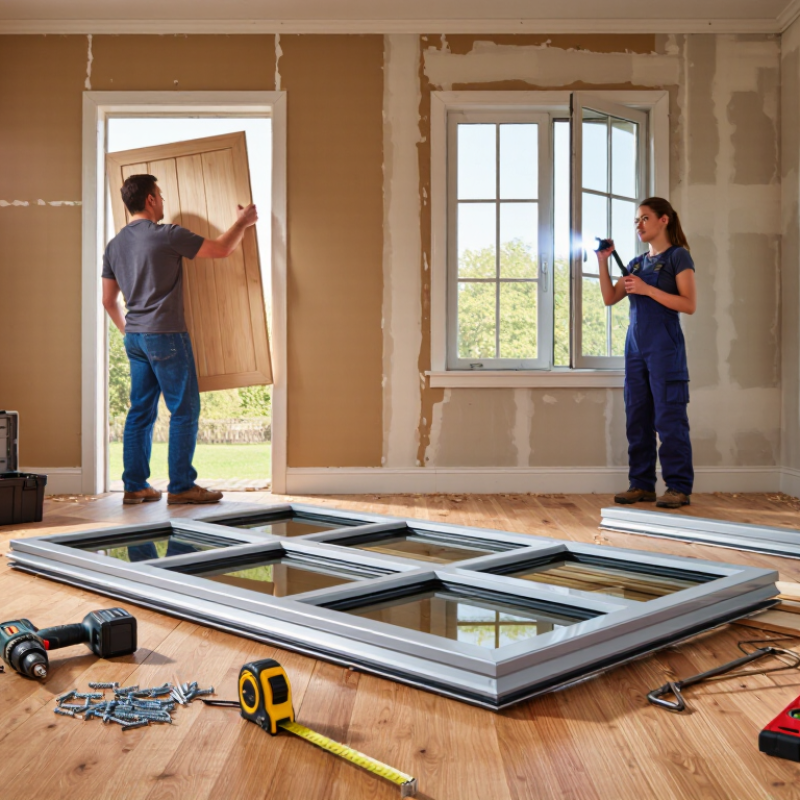
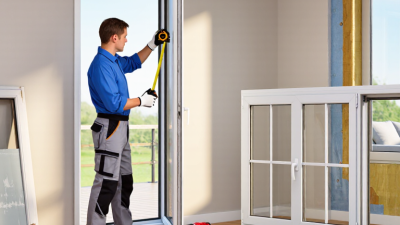
A window replacement project covers more than swapping glass. It starts with measuring each opening, checking the frame, and identifying water damage or uneven sills. Installers protect nearby floors, remove the old sash and frame when needed, then prepare the opening. That is only the opening. They set the new unit level, fasten it, and seal gaps with flashing, insulation, and exterior caulk. Interior trim may also need repair or replacement.
The scope can include hauling away old materials, adjusting blinds, and repairing siding or drywall disturbed during installation. The 2024 Cost vs. Value report by Zonda and Remodeling estimated a national average cost of $21,264 for a 10-window vinyl replacement project. It is a benchmark, not a quote: local labor, window size, access, and hidden rot can shift the final price.
A careful estimate should spell out which repairs, finishes, disposal, and permit costs are included. Even then, surprises happen; an installer may uncover a soft sill only after removing the frame.
Window material affects both purchase price and long-term upkeep. Vinyl frames are often among the more affordable options and need little routine painting, but quality and insulation vary. Fiberglass typically costs more; it resists swelling and holds its shape through temperature changes. Wood offers a warm finish and can suit older homes, yet it may need periodic sealing or paint. Aluminum frames can be slim and strong, though thermal performance depends on the design and added insulation.
Design choices can raise costs as quickly as materials. A standard rectangular window is usually simpler to make and install than a bay, bow, or unusually shaped unit. Larger panes need stronger frames and careful handling. Double- or triple-pane glass and low-emissivity coatings can improve comfort, but their value depends on climate, exposure, and existing insulation. Small details add up. I’d avoid judging a quote by frame price alone. Ask whether it includes glass upgrades, trim, flashing, disposal, and repairs to the opening. A custom grille pattern or specialty color may add cost without changing energy performance; that trade-off is easy to overlook. Estimates also differ because installers may measure and prepare openings differently, so compare written specifications, not just totals.
Window replacement prices reflect more than the glass and frame. Installation labor changes with access, house age, and the condition of each opening. A crew may need to carry bulky units up narrow stairs, protect interior floors, remove old trim, and dispose of the existing windows. That takes time. A second-story opening or a window above a porch can require extra setup and careful handling.
The 2024 Cost vs. Value report from Zonda and Remodeling magazine puts average U.S. project costs at $21,264 for vinyl window replacement and $25,799 for wood. Those figures combine project expenses; they are not a labor-only price list. Still, they show why a simple per-window quote can mislead. If installers uncover soft, water-damaged framing, the opening may need repairs before the new unit can be secured. Older walls can also hide uneven dimensions, so measuring and fitting may take longer than expected. A square opening on paper may not be square in the wall. I would want an estimate to state what happens if concealed damage appears. It is easy to overlook that detail.
This illustrative $1,000-per-window example shows how the product is only part of the total. Installation labor, removal, and finishing add substantial costs. Difficult access, damaged frames, or extra work around trim and flashing can increase labor time and equipment needs, so actual quotes vary by home and project.
A window quote can change once the old unit comes out. The frame may look sound from inside, while the sill underneath feels soft or shows dark staining. Water can travel behind trim and damage sheathing or framing that was hidden during the initial inspection. That repair takes time.
Rot is not the only surprise. Installers may find failed flashing, cracked exterior trim, or gaps that let air and water pass around the opening. If moisture has lingered, damaged material may need removal and replacement before a new window can be fitted. In older homes, layers of paint or unusual construction can also require extra care and labor. Not every stain means mold or serious structural damage, though. The cause needs to be checked.
Ask whether the estimate covers only the window and standard installation, or includes a repair allowance. A detailed quote should explain how additional work is priced and when approval is needed. Photos taken after removal can help you understand the problem. Keep some room in the budget; concealed damage is difficult to price precisely before the opening is exposed.
| Potential Hidden Repair | Common Clues | Work That May Be Needed | Indicative Added Cost (USD) |
|---|---|---|---|
| Rotten sill or window frame | Soft, crumbling, or discolored wood; peeling paint; water stains | Remove damaged material and replace or reinforce the sill or frame | $150–$600 per opening |
| Damaged framing around the opening | Movement around the window, persistent drafts, or concealed decay | Repair or replace sections of the rough opening and restore the opening for installation | $300–$1,500 per opening |
| Water intrusion and moisture damage | Staining, damp insulation, mold-like growth, or damage behind interior trim | Locate and address the water entry point; replace affected materials as needed | $200–$1,200 per opening |
| Damaged exterior siding or stucco | Cracks, loose siding, or failed material around the window perimeter | Patch or replace exterior finish and restore the weather-resistant seal | $200–$1,000 per opening |
| Interior plaster, drywall, or trim damage | Cracks, loose plaster, chipped drywall, or trim that cannot be reused | Patch the wall surface, replace trim, and prepare the area for finishing | $100–$500 per opening |
| Structural header or support issue | Sagging above the window, significant cracks, or an opening that is out of square | Assess and repair the header or surrounding structure; scope may require a specialist | $500–$2,000+ per opening |
| Pest-related wood damage | Hollow or weakened wood, small holes, or visible insect activity | Repair damaged wood and, when necessary, arrange inspection or treatment | $150–$700 per opening |
| Lead-safe work in older homes | Older painted surfaces that may be disturbed during removal or repair | Use required containment, safe work practices, cleanup, and disposal procedures | $150–$500+ per opening |
These are broad, illustrative U.S. cost ranges for possible additional repairs, not guaranteed charges. Actual prices vary by location, material, accessibility, labor rates, damage extent, and local requirements. Repairs may overlap, and concealed conditions can only be confirmed after the existing window and surrounding materials are opened.
Permits can add more than a line item. A home with historic features, altered openings, or strict energy rules may need extra documentation or inspections. Fees and requirements vary by location, so ask the building department before ordering windows. A delayed approval can leave materials sitting in a driveway—and schedules slipping.
Efficiency choices shape the price, too. The U.S. Department of Energy estimates that heat gain and loss through windows account for 25%–30% of residential heating and cooling energy use. Better-performing units may reduce that waste, but the right choice depends on climate, installation quality, and the home itself. Compare NFRC-rated U-factor and solar heat gain coefficient, not just the glass package. Small details matter. And ratings do not fix a poor fit.
Project size changes the math. Remodeling magazine’s 2024 Cost vs. Value report put a typical vinyl-window replacement project at about $21,264 nationally. That benchmark covers a defined project, not every house. Replacing several windows at once may spread labor and setup costs across more units; unusual sizes, trim repairs, or difficult access can push costs up. Permits, efficiency upgrades, and project scope all meet at the estimate. I’d treat any national average as a starting point, not a promise.